

Clean drinking water is one of the most important needs of life, but many families in Pakistan still struggle to access it safely. In rural villages, people often walk long distances, collect water from unsafe sources, or depend on seasonal water points that dry up during difficult months. This is why many donors ask one important question before giving: how much does a water project cost in Pakistan?
Understanding Water Project Cost Pakistan helps donors make better decisions. Some people want to sponsor a complete hand pump for one poor family. Some want to contribute a share in a bigger community project. Others want to support solar water systems that serve many families for a longer time. The final cost depends on project type, location, water depth, materials, labor, transport, and the number of people who will benefit.
If you want to begin with an affordable and meaningful clean water project, you can support a family through a water hand pump donation in Pakistan. A hand pump can reduce daily hardship, protect families from unsafe water, and become a source of continuous Sadaqah Jariyah.
Water Project Cost Pakistan
A water project in Pakistan can cost from around PKR 45,000 to PKR 60,000 for a standard hand pump, around PKR 110,000 for a heavy-duty hand pump, around PKR 150,000 for a mini solar water pump, and up to PKR 450,000 for a larger community solar water pump system.
The final cost depends on several factors, including drilling depth, water availability, project location, transport, material quality, installation work, and the number of families the water source will serve.
Why Water Projects Matter in Pakistan
For many families, the water crisis is not only about thirst. It affects health, education, dignity, safety, and daily survival. When clean water is not available near the home, women and children often carry the heaviest burden. They spend hours walking for water, carrying heavy containers, and using sources that may not be safe for drinking.
Unsafe water can cause stomach infections, weakness, skin problems, diarrhea, and other waterborne diseases. For children, this can mean missed school days and poor health. For mothers, it means more stress and physical exhaustion. For daily wage families, illness can also mean losing income because they cannot afford medical expenses or time away from work.
A water project changes this routine. It gives families easier access to clean drinking water. It saves time. It improves hygiene. It helps children focus on school. It gives women more safety and dignity. Most importantly, it gives a community hope that life can become easier through one meaningful donation.
Water Crisis in Pakistan: Key Facts Donors Should Know
Pakistan continues to face serious water quality and access challenges. According to UNICEF Pakistan, an estimated 70% of households still drink bacterially contaminated water. This means many families may have access to water, but that water is not always safe for drinking.
Globally, the WHO/UNICEF Joint Monitoring Programmed 2025 reported that 2.1 billion people still lack safely managed drinking water services. These numbers show that clean water is not only a local issue but a global humanitarian challenge.
For donors, this makes water charity one of the most practical ways to create real impact. A water project can help families drink safely, cook safely, improve hygiene, and reduce the daily burden of collecting water from faraway or unsafe sources.
Average Water Project Cost in Pakistan
Water project prices vary because every area has different needs. A simple hand pump is usually more affordable than a solar water pump. A solar system costs more because it can serve more families and often requires solar panels, pipes, motor systems, stronger installation work, and proper field monitoring.
Here is a simple donor-friendly cost guide:
| Water Project Type | Estimated Cost Range | Best For | Donation CTA |
| Standard Hand Pump | PKR 45,000 to PKR 60,000 | One family or small household cluster | Donate Hand Pump |
| Hand Pump Share | Smaller shared contribution | Donors with limited budget | Give A Share |
| Heavy-Duty Hand Pump | Around PKR 110,000 | Larger rural usage | Sponsor A Pump |
| Mini Solar Water Pump | Around PKR 150,000 | Small village cluster | Donate Solar Pump |
| Community Solar Pump | Up to PKR 450,000 | Larger village or community | Support Community Water |
| Emergency Water Tank | Cost varies by tank size and share | Crisis-hit families and emergency relief | Donate Water Tank |
This table helps donors understand Water Project Cost Pakistan in a simple way. The best option depends on your donation budget, the location of the project, and the level of impact you want to create.
Note: Final project cost may change based on water depth, material quality, transport, installation requirements, and local field conditions.
Start with a hand pump donation or support a larger clean water project today.
What Affects the Cost of a Water Project?
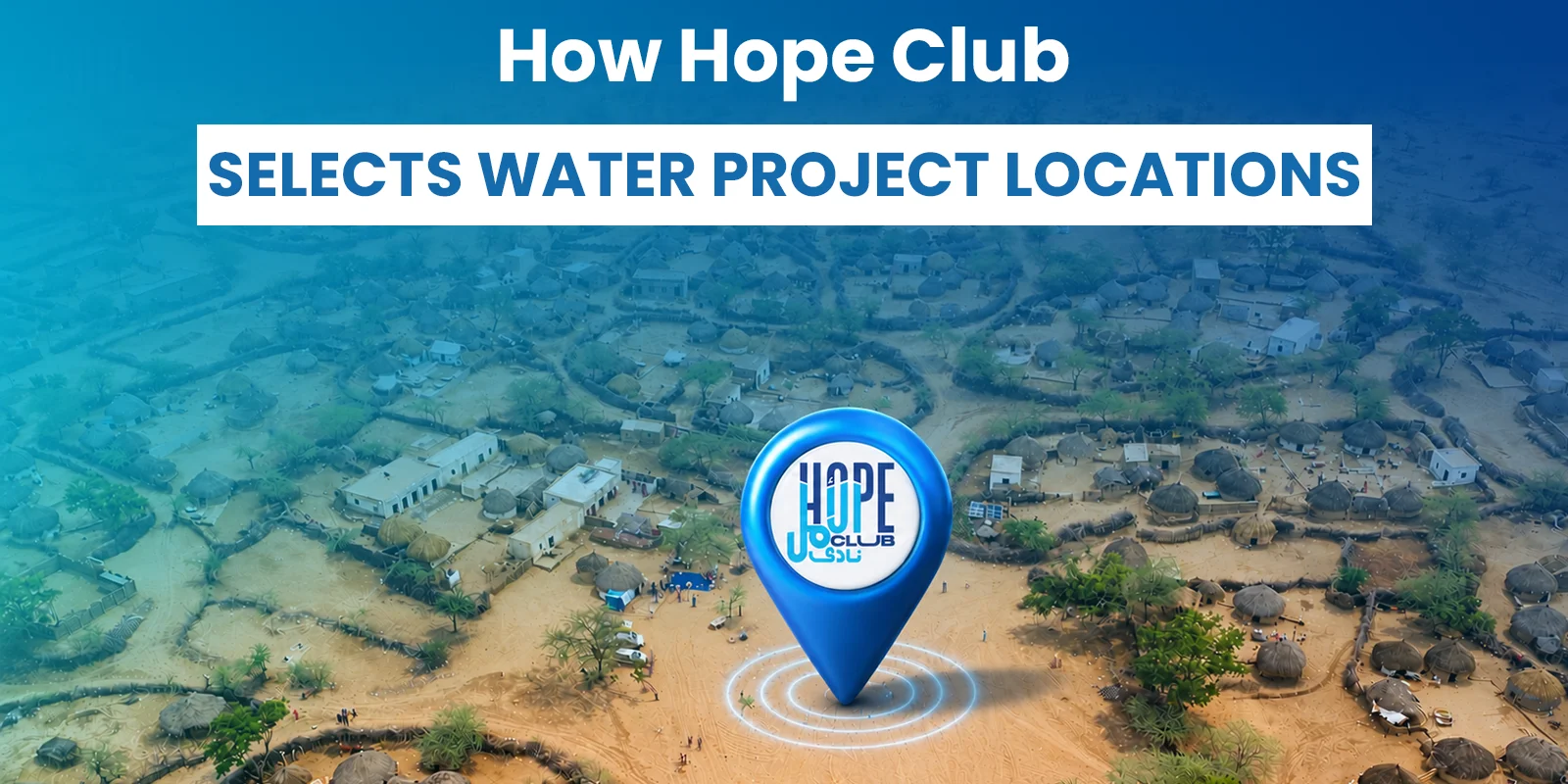
Water project pricing is not the same in every area. One village may need a simple hand pump, while another may require deeper drilling, stronger materials, or solar-powered systems. This is why a trusted charity first checks the area, the community need, and the water availability before starting work.
The cost is not only about buying a pump. It includes planning, transport, materials, skilled labor, installation, testing, donor updates, and sometimes monitoring after completion.
Location and Accessibility
Some areas are easier to reach, while others are remote, rural, or affected by poor road conditions. If a project site is far from the city, transport costs increase. Machinery, pipes, construction materials, workers, and field teams need to reach the location safely.
In remote areas, the need is often higher because families may have fewer public services. That is why donors should not only compare price but also understand the difficulty of implementation.
Water Depth and Ground Conditions
Water depth plays a major role in cost. In some locations, clean water can be reached at a lower depth. In other areas, teams may need deeper drilling to find a safe and reliable source. Deeper drilling usually means more labor, more time, more equipment, and higher project cost.
Soil condition also matters. Sandy areas, rocky ground, flood-affected land, or dry regions can all change the installation process. A good water project is not only about installing a pump; it is about making sure the water source is useful and reliable for the people who will depend on it.
Material Quality and Project Lifespan
Cheaper materials may reduce the initial cost, but they can create problems later. Pipes, handles, pump heads, platforms, fittings, motors, solar panels, and storage systems should be strong enough for daily use.
Rural communities may use the same water source many times a day, so durability matters. A slightly higher-quality project can often provide better long-term value. Donors should think about lifespan, safety, and maintenance instead of only choosing the lowest cost.
Labor, Installation, And Monitoring
A proper water project requires skilled workers. The team must check the site, install the structure, test the pump, ensure water flow, and confirm that the project is ready for community use.
After installation, donor updates and proof may also require field monitoring. This is where transparency matters. Donors should know what is included in the project cost and what proof they will receive after completion.
Hand Pump Cost in Pakistan
A hand pump is one of the most common and affordable clean water solutions in Pakistan. It is suitable for families and small communities where underground water is available at a manageable depth. A standard hand pump can provide daily water for drinking, cooking, washing, and basic hygiene.
For donors, hand pumps are powerful because they are simple, practical, and long-lasting. One hand pump can reduce the daily struggle of a family that may otherwise walk long distances for water. It can also protect children from using unsafe ponds, canals, or open water sources.
If someone wants to start a Sadaqah Jariyah water project with a manageable budget, a hand pump is often the best option. It is direct, understandable, and easy for donors to connect with emotionally because the impact is visible.
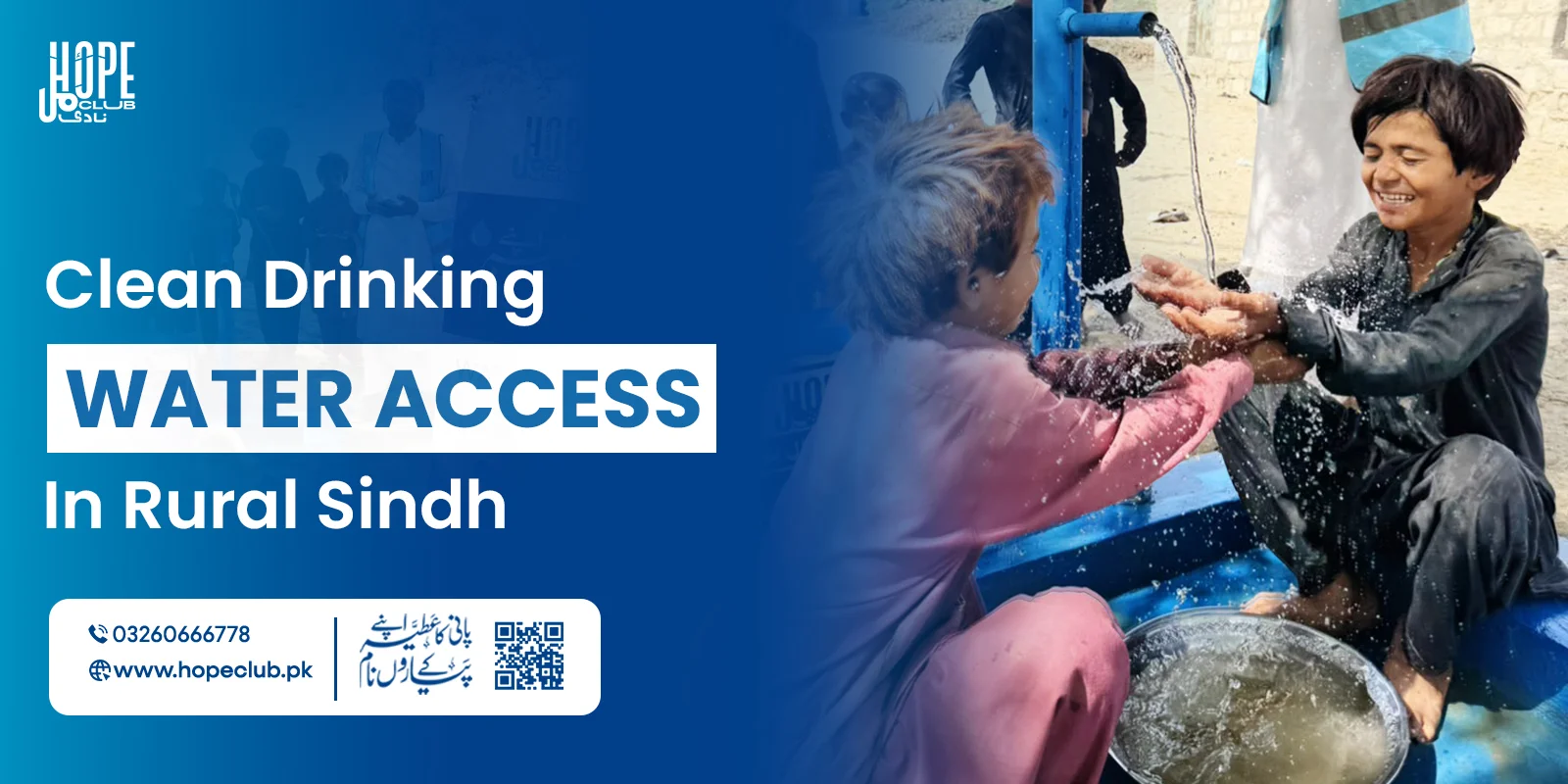
Hand pump donation in Pakistan.
Why Donate a Hand Pump?
A hand pump donation is not just a construction project. It is a daily source of relief. Every time a mother fills a bucket, every time a child drinks clean water, and every time a family uses water for cooking, the donor’s contribution continues to benefit people.
A hand pump can help:
- Reduce water collection time
- Improve family hygiene
- Lower dependence on unsafe water sources
- Support children’s health
- Give women and girls more safety
- Provide long-term community benefit
- Create ongoing Sadaqah Jariyah reward
This is why many donors choose hand pumps when they want a personal, meaningful, and affordable water charity project.
Solar Water Pump Cost in Pakistan
Solar water pumps cost more than standard hand pumps, but they also serve a larger purpose. A solar water system can provide water without manual pumping and without depending on unreliable electricity. This makes it especially useful in rural areas where electricity is unavailable, unstable, or too expensive.
If you want to support a bigger and more sustainable project, you can donate a solar water pump in Pakistan. Solar pumps are suitable for villages, community clusters, and areas where multiple families need regular water access.
Hand Pump Vs Solar Water Pump: Which Is Better?
Both hand pumps and solar water pumps are valuable. The better option depends on the location, number of families, water depth, daily usage, and donor budget.
A hand pump is better when the goal is to support one family or a small group of homes. It is more affordable and easier to install. It works well where water can be accessed manually and where the community can maintain the pump with basic care.
A solar water pump is better when the goal is to support a larger community. It reduces manual effort and can provide a stronger water supply. It is especially useful where women and children carry water daily or where a community needs a more reliable long-term system.
For donors, the choice should not only be about price. It should be about need. A smaller project in the right place can be just as meaningful as a larger project in another area.
Emergency Water Relief and Water Tanks
Not every water project is permanent. Sometimes families need urgent water relief because of war, displacement, floods, drought, or humanitarian crisis. In such situations, water tanks and emergency water distribution can provide immediate support.
For example, donors who want to support crisis-hit families can donate a water tank for Gaza. This type of project is different from a hand pump or solar pump because it focuses on urgent relief where families need safe water quickly.
Emergency water relief is important because people in crisis cannot wait for long-term infrastructure. They need clean drinking water immediately to survive, cook, wash, and protect children from disease. Donors who support emergency water projects help meet urgent human needs at a critical time.
What Is Included in A Water Project Cost?
When people ask about Water Project Cost Pakistan, they often think only about the pump. But a complete water project includes more than one item. The cost may cover several steps that are needed to make the project safe, useful, and transparent.
A proper water project may include:
- Community need assessment
- Site selection
- Water source checking
- Drilling or installation work
- Pump or solar system materials
- Pipes, fittings, panels, or structure
- Skilled labor
- Transport to the project location
- Testing and final checking
- Photos or video proof
- Donor updates
- Basic monitoring after completion
This is why transparency is essential. A donor should know that the donation is being used for real field work, not just a product. The goal is to complete a water source that families can actually use.
Donate with Hope Club
How A Water Project Changes Daily Life?
The real value of a water project is not only in its cost. It is in the life it changes after installation. A family that once walked for water may suddenly have water near the home. A mother who spent hours collecting water can use that time for her children. A child who missed school due to water collection or illness can return to learning.
Clean water also improves dignity. Families no longer feel helpless when guests visit. Women no longer have to walk unsafe routes. Children no longer have to drink from dirty ponds or open sources. Communities can improve hygiene, cooking, washing, and basic cleanliness.
A water project may look simple from the outside, but for a poor family, it can feel like freedom from a daily burden.
Water Charity as Sadaqah Jariyah
In Islamic giving, water charity has a special place. Giving water is one of the most meaningful forms of charity because water is used every day. When a donor sponsors a hand pump, solar pump, or water system, the benefit continues again and again.
This is why many people donate water projects as Sadaqah Jariyah for themselves, their parents, grandparents, or loved ones who have passed away. Every drop used for drinking, cooking, washing, or making life easier can become a continuing source of reward.
A water project is also easy for families to understand. It is not abstract. Donors can imagine the impact clearly: a thirsty child drinking safely, a mother filling water close to home, a family making food with clean water, and a village living with more dignity.
Can Donors Give a Share Instead of Full Cost?
Yes, many donors may not be able to sponsor a complete project at once. In that case, share-based donations make water charity more accessible. A donor can contribute according to their budget and still become part of a meaningful project.
This is important because not everyone can donate a full solar pump or complete hand pump immediately. But many people can donate a share, invite family members, collect donations together, or sponsor a project in the name of a loved one.
Group donations are also powerful. Families, friends, office teams, and communities can come together to fund a complete water project. This makes clean water charity easier for more people.
How to Choose the Right Water Project?
Before donating, it is helpful to think about your intention, budget, and desired impact. If your goal is to help one family or start an affordable Sadaqah Jariyah project, a hand pump is a strong choice. If your goal is to help a larger community, a solar pump may be better. If your goal is urgent humanitarian relief, a water tank or emergency water donation may be more suitable.
Choosing the right project does not mean choosing the most expensive option. It means choosing the option that matches the real need on the ground.
Choose A Hand Pump for Family-Level Impact
A hand pump is ideal when you want to support a poor family or small community. It is affordable, practical, and directly solves a daily problem. For many donors, this is the easiest starting point.
Choose A Solar Pump for Community Impact
A solar water pump is better for larger groups and villages. It costs more, but it can reduce manual effort and provide a stronger water system for many families. It is a good option for donors who want a bigger long-term project.
Choose Emergency Water Relief for Crisis Support
Emergency water relief is best when people are facing urgent hardship. This includes displaced families, flood victims, or communities affected by conflict. These donations help people survive immediate water shortages.
How Hope Club Keeps Water Projects Transparent
When donors give for clean water, they want to know that their donation is reaching the right people. Transparency is one of the most important parts of water charity because a donor is not only paying for a pump; they are trusting an organization to deliver real impact.
Hope Club focuses on practical field work, verified needs, and donor confidence. A transparent water project process may include:
- Checking the community need before installation
- Selecting a suitable project location
- Reviewing water availability and site conditions
- Using durable materials for long-term benefit
- Managing transport and installation properly
- Testing the water source after completion
- Sharing photos or videos with donors
- Providing project completion updates
- Monitoring the project where possible
This process helps donors feel confident that their clean water donation is being used responsibly. Donate through Hope Club Pakistan and support transparent water projects for deserving families.
Why Donate Through Hope Club?
When choosing a charity, trust matters. Donors want to know that their money is reaching the right people and creating real impact. Hope Club works on water, food, and relief projects for vulnerable communities, making it easier for donors to support different humanitarian needs through one trusted platform.
A trusted donation platform should focus on transparency, field work, project updates, and real community benefit. Donors should feel confident that their contribution is handled with care and reaches people who truly need support.
Through Hope Club, donors can support:
- Hand pump donations
- Solar water pump projects
- Emergency water tanks
- Gaza water relief
- Sadaqah Jariyah water projects
- Clean water donation campaigns
- Other humanitarian relief initiatives
Common Mistakes Donors Should Avoid
Some donors only compare cost without understanding the project details. This can be a mistake. A very low-cost project may not always be suitable for every area. The right project depends on the water source, location, depth, materials, and community size.
Another mistake is ignoring transparency. Donors should ask whether they will receive proof, updates, or completion details. Clean water charity is emotional, but it should also be accountable.
A third mistake is delaying donation for too long. Families without clean water face hardship every day. Even a small contribution can become part of a larger solution.
Donors should avoid:
- Choosing only the cheapest project
- Ignoring water depth and location
- Forgetting to ask about proof or updates
- Donating without understanding the project type
- Delaying support when families need urgent help
Conclusion
Understanding water project cost in Pakistan helps donors make better decisions. A water project is not only about installing a pump or system. It is about giving health, safety, dignity, and hope to families who struggle for clean water every day.
Whether you choose a hand pump, a solar water pump, or emergency water relief, your donation can reduce hardship and create long-term benefit. Clean water helps children stay healthier, women feel safer, families live with dignity, and communities move toward a better future.
If you are ready to begin your Sadaqah Jariyah and support clean drinking water for deserving families, donate through Hope Club today. Start with a practical and impactful project by supporting a hand pump donation in Pakistan and become the reason a family receives safe water, relief, and hope.
FAQs About Water Project Cost in Pakistan
How much does a water project cost in Pakistan?
The cost depends on the project type. A standard hand pump may cost around PKR 45,000 to PKR 60,000, while a solar water pump or larger community water system may require a higher budget. Water Project Cost Pakistan also depends on location, water depth, material quality, transport, and installation needs.
What is the most affordable water project to donate?
A standard hand pump or share-based hand pump donation is usually one of the most affordable options. It is suitable for donors who want to create direct family-level impact with a manageable budget.
Why are solar water pumps more expensive?
Solar pumps cost more because they require solar panels, motors, pipes, installation work, and stronger systems. They are designed to serve more families and reduce manual effort.
Can I donate a water project in someone’s name?
Yes, many donors sponsor water projects in the name of parents, grandparents, family members, or loved ones who have passed away. This is often done as Sadaqah Jariyah.
Is a water project a good Sadaqah Jariyah?
Yes, a water project is a powerful form of Sadaqah Jariyah because people continue to benefit from it every day. Every use of the water can become a continuing reward for the donor.
Which is better: hand pump or solar water pump?
A hand pump is better for one family or a small community. A solar pump is better for larger communities that need a stronger and more reliable water supply.
Can I give a share instead of paying the full cost?
Yes, donors can contribute a share toward a water project. This makes clean water charity easier for people who cannot sponsor a complete hand pump or solar pump at once.
Will donors receive proof after project completion?
A transparent charity should provide project updates, photos, videos, or completion details where possible. This helps donors understand how their donation was used and who benefited from it.



![blogs image 1 blue[2]](data:image/svg+xml;base64,PHN2ZyB4bWxucz0iaHR0cDovL3d3dy53My5vcmcvMjAwMC9zdmciIHZpZXdCb3g9IjAgMCAxMjAwIDY0MCIgd2lkdGg9IjEyMDAiIGhlaWdodD0iNjQwIiBidi1pbWctdXJsPSJodHRwczovL2hvcGVjbHViLnBrL3dwLWNvbnRlbnQvdXBsb2Fkcy9hbF9vcHRfY29udGVudC9JTUFHRS9ob3BlY2x1Yi5way93cC1jb250ZW50L3VwbG9hZHMvMjAyNS8xMC9ibG9ncy1pbWFnZS0xLWJsdWUyLmpwZy5idi53ZWJwIiBidi1yZXNpemVkLWluZm9zPSJORGd3TG1wd1p6bzBPREFxTWpVMk96Z3lNQzVxY0djNk9ESXdLalF6TnpzeE5UTTJMbXB3WnpveE1qQXdLalkwTUE9PSI+PC9zdmc+)