
Clean water is one of the most basic needs of human life, yet millions of families still wake up every day without safe drinking water near their homes. For many poor and vulnerable communities, water does not come from a tap, a filter, or a protected source. It may come from a pond, an open well, a river, or a distant collection point where families wait, walk, and struggle just to bring water home.
The global clean water challenge is not only about thirst. It affects health, dignity, education, safety, hygiene, and survival. When a family does not have clean water, every part of daily life becomes harder. Children can fall sick again and again. Women may spend hours collecting water. Families may struggle to cook, wash, clean, and protect themselves from disease.
This is why clean water charity remains one of the most powerful ways to help communities in need. Through a trusted charity in Pakistan like Hope Club, donors can support practical water projects that bring long-term relief to poor families.
Why Clean Water Access Still Matters Today
Clean water is not only needed for drinking. Families also need it for cooking, washing clothes, cleaning homes, bathing children, performing hygiene, and maintaining basic sanitation. Without clean water, even simple daily routines become difficult, unsafe, and stressful.
According to WHO, safe drinking water, sanitation, and hygiene are essential for human health and also support livelihoods, school attendance, dignity, and stronger communities. Unsafe water can contribute to diseases such as diarrhea and can contaminate groundwater and surface water sources used by families.
For poor families, clean water access can change daily life quickly. A nearby water source means children can spend more time in school instead of walking long distances. Mothers can save time and energy. Families can prepare safer food, maintain better hygiene, and reduce the risk of preventable illness.
That is why donors who support clean water projects are not only giving water. They are giving health, time, dignity, and hope.
Key Facts About the Global Clean Water Challenge
The global clean water challenge remains serious despite progress in many countries. WHO and UNICEF reported in 2025 that 1 in 4 people globally, around 2.1 billion people, still lack safely managed drinking water. They also reported that 106 million people still drink directly from untreated surface water sources.
These numbers show that clean water is still not reaching everyone equally. Poor families, rural communities, displaced people, and disaster-affected populations are often left behind. Some families may have water nearby, but it is unsafe. Others may have access to cleaner sources, but those sources are too far away or not available when needed.
Safely managed drinking water means water that is available when needed, located on the premises, and free from contamination. UNICEF’s drinking water data also explains that while global coverage improved between 2015 and 2024, billions of people still remain without safely managed water access.
This gap is one of the biggest reasons the global clean water challenge continues today.
Why The Global Clean Water Challenge Still Exists
Clean water remains difficult to access because the problem has many causes. It is not only about the absence of water. In many places, water exists but is unsafe, too far away, too expensive, or unreliable.
The main causes include poverty, weak infrastructure, contaminated water sources, climate change, conflict, displacement, and lack of long-term maintenance. When these problems combine, families remain trapped in a cycle of unsafe water, poor health, wasted time, and repeated hardship.
A family may live near a river, but the water may be polluted. A village may have underground water, but no pump to access it. A community may receive temporary water support during an emergency, but still lack a permanent solution after the crisis ends.
This is why sustainable water projects matter. A hand pump, solar water pump, water tank, or filtration system can provide practical support according to the needs of each community.
Poverty and Weak Infrastructure
Many poor communities cannot build wells, pumps, pipelines, water tanks, or filtration systems without support. Even when water exists underground, families may not have the tools, money, or technical resources to access it safely.
Weak infrastructure keeps community’s dependent on unsafe local sources such as ponds, canals, open wells, and untreated surface water. These sources can become contaminated by animals, waste, floodwater, chemicals, or poor sanitation.
In rural areas, this problem becomes even more serious because communities are often far from public water systems. A small water project can make a major difference. For example, a donate a hand pump project can help bring clean water closer to families who currently walk long distances every day.
Contaminated Water Sources
In many areas, families are forced to use water from rivers, ponds, canals, or unprotected wells. These sources may look usable, but they can carry bacteria, parasites, waste, and pollutants.
Unsafe water can expose families to diarrhea, cholera, typhoid, stomach infections, skin diseases, and other waterborne illnesses. Children, elderly people, pregnant women, and displaced families are especially vulnerable because their bodies may be weaker or their living conditions may already be difficult.
UNICEF explains that water scarcity limits access to safe water for drinking and basic hygiene. It also warns that when water is scarce and sanitation systems fail, the risk of diseases such as cholera can increase.
Clean water projects help reduce this risk by giving families safer and more reliable water access.
Rural Communities Are Often Left Behind
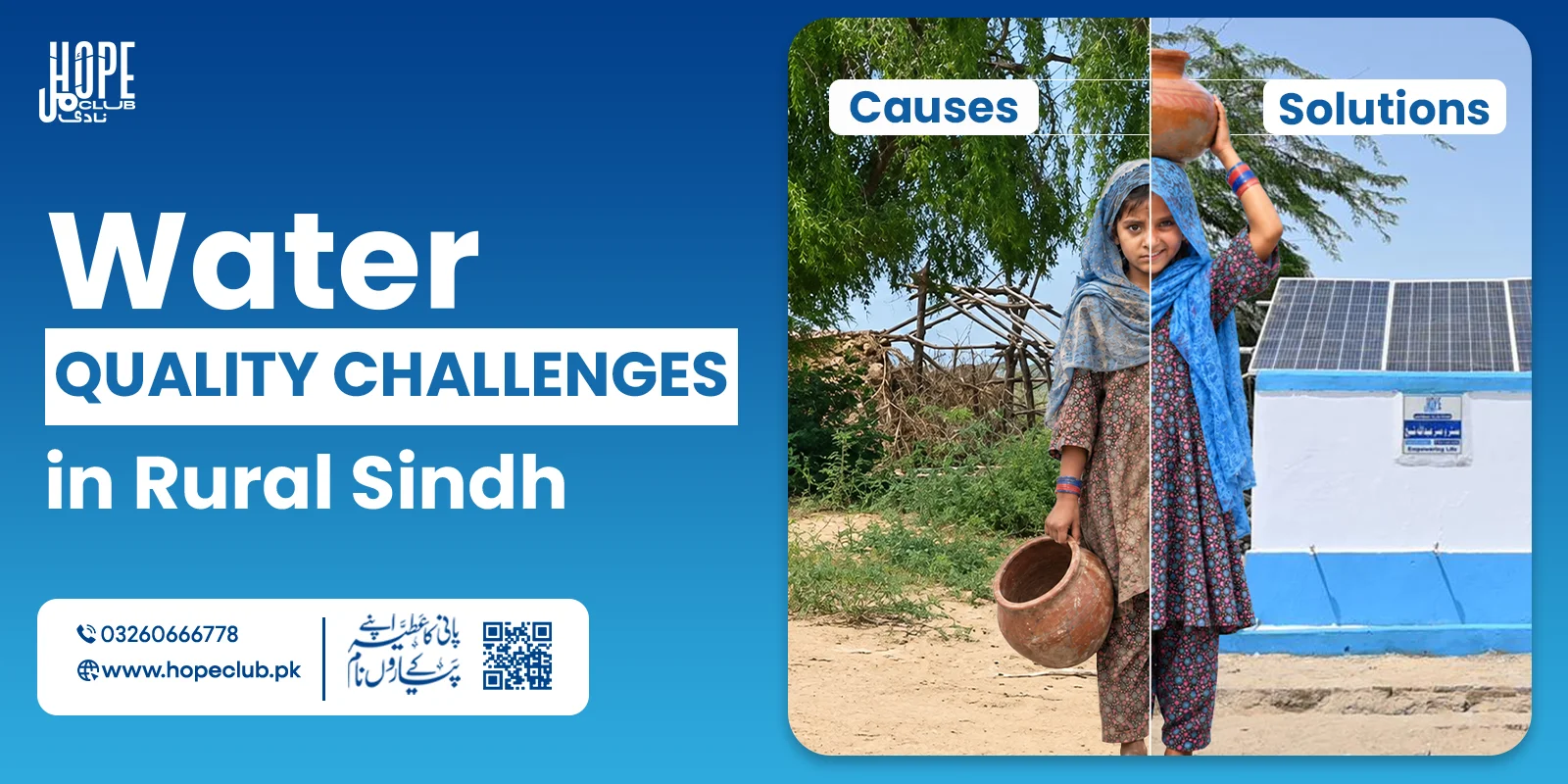
Rural communities are among the most affected by poor water access. Many villages do not have proper pipelines, protected wells, filtration systems, or sustainable infrastructure. Families may depend on seasonal water sources that dry up during heat or become unsafe during floods.
In these communities, women and children often carry the burden of collecting water. A simple daily need becomes a long and exhausting task. Instead of studying, working, resting, or caring for the home, family members spend hours searching for water.
This is where water charity creates real change. A hand pump can support several households. A solar water pump can serve a larger community. A filtration system can make available water safer. A water tank can help families store water during emergencies or shortages.
Women and Children Carry the Heaviest Burden
When water is not available near the home, women and children usually suffer the most. They may walk long distances, wait in lines, carry heavy containers, and repeat the same task every day.
This affects education, safety, health, and family stability. Girls may miss school because they are helping collect water. Women may lose time that could be used for work, childcare, or household management. Children may become tired, sick, or unable to focus on learning.
When clean water becomes available near the home, life becomes easier. Children gain more time for school. Women save energy and hours of daily labor. Families feel safer because they no longer have to travel far for a basic need.
A clean water project does not only provide water. It gives families more control over their day.
Climate Change Is Making Clean Water Harder to Access
Climate change is making the global clean water challenge more difficult. Droughts reduce available water. Floods contaminate wells and local sources. Rising temperatures increase demand. Irregular rainfall makes water supplies less reliable.
Poor communities are often hit hardest because they do not have strong infrastructure, emergency systems, or financial resources to recover quickly. A flood can damage wells. A drought can dry up local sources. A heatwave can increase the need for water while reducing supply.
Sustainable projects such as hand pumps, solar water systems, and water tanks can help communities become more resilient. They do not solve every climate problem, but they provide families with better support during difficult conditions.
Conflict and Displacement Increase Water Needs
Conflict and displacement can destroy water systems, damage pipelines, and force families into temporary shelters where clean water is limited. In emergencies, clean water quickly becomes one of the most urgent needs.
Families affected by crisis may depend on water tanks, temporary water points, mobile distribution, or emergency water delivery. UNICEF’s emergency WASH work includes repairing water systems, trucking water, drilling wells, building temporary latrines, and delivering hygiene support in fragile contexts.
For families living through displacement or crisis, clean water is not a comfort. It is a life-saving need. Donors can support emergency water relief through projects such as emergency water tank donation for Gaza, helping families access water during urgent conditions.
How Unsafe Water Affects Families Every Day
Unsafe water affects families in both visible and hidden ways. A child drinking contaminated water may become sick repeatedly. A mother may spend hours searching for water instead of caring for her children or earning income. A family may spend limited money on medicines for illnesses that could have been prevented.
The impact is physical, emotional, and financial. When families do not know where safe water will come from, daily life becomes unstable. They worry about disease. They worry about distance. They worry about the next day.
Clean water gives families relief from this constant pressure. It supports better health, cleaner homes, safer food preparation, and stronger hygiene.
Health Problems Caused by Unsafe Water
Unsafe drinking water can damage community health over time. It can spread disease, weaken children, increase medical expenses, and place pressure on poor households.
WHO has estimated that unsafe drinking water, sanitation, and hand hygiene contribute to deaths from diarrheal disease each year. This shows why clean water access is not only a development issue. It is a public health priority.
When families receive clean water, they can drink more safely, wash more often, prepare food with less risk, and reduce exposure to harmful contamination. This can protect children, support mothers, and reduce preventable suffering.
Education and Safety Challenges for Children
Children are deeply affected when clean water is not available. They may miss school because they are sick or because they must help collect water. They may feel tired from walking long distances. They may struggle to focus in class due to poor health or dehydration.
For girls, the challenge can be even greater. Water collection, poor sanitation, and hygiene issues can interrupt education and increase safety risks.
A nearby water source can change this pattern. Children can reach school on time. Girls can continue learning. Families can focus more on growth instead of survival.
Sustainable Water Projects That Create Long-Term Impact
Temporary relief is important during emergencies, but long-term solutions are needed to reduce repeated hardship. Sustainable water projects give communities reliable access to clean water beyond the immediate crisis.
These projects support health, hygiene, dignity, education, and community stability. When implemented properly, one water project can serve families again and again for many years.
The right solution depends on the location, water source, population size, and community need. Some villages need hand pumps. Some larger communities need solar water systems. Some crisis zones need water tanks. Some areas need filtration because water exists but is unsafe to drink.
Hand Pump Projects
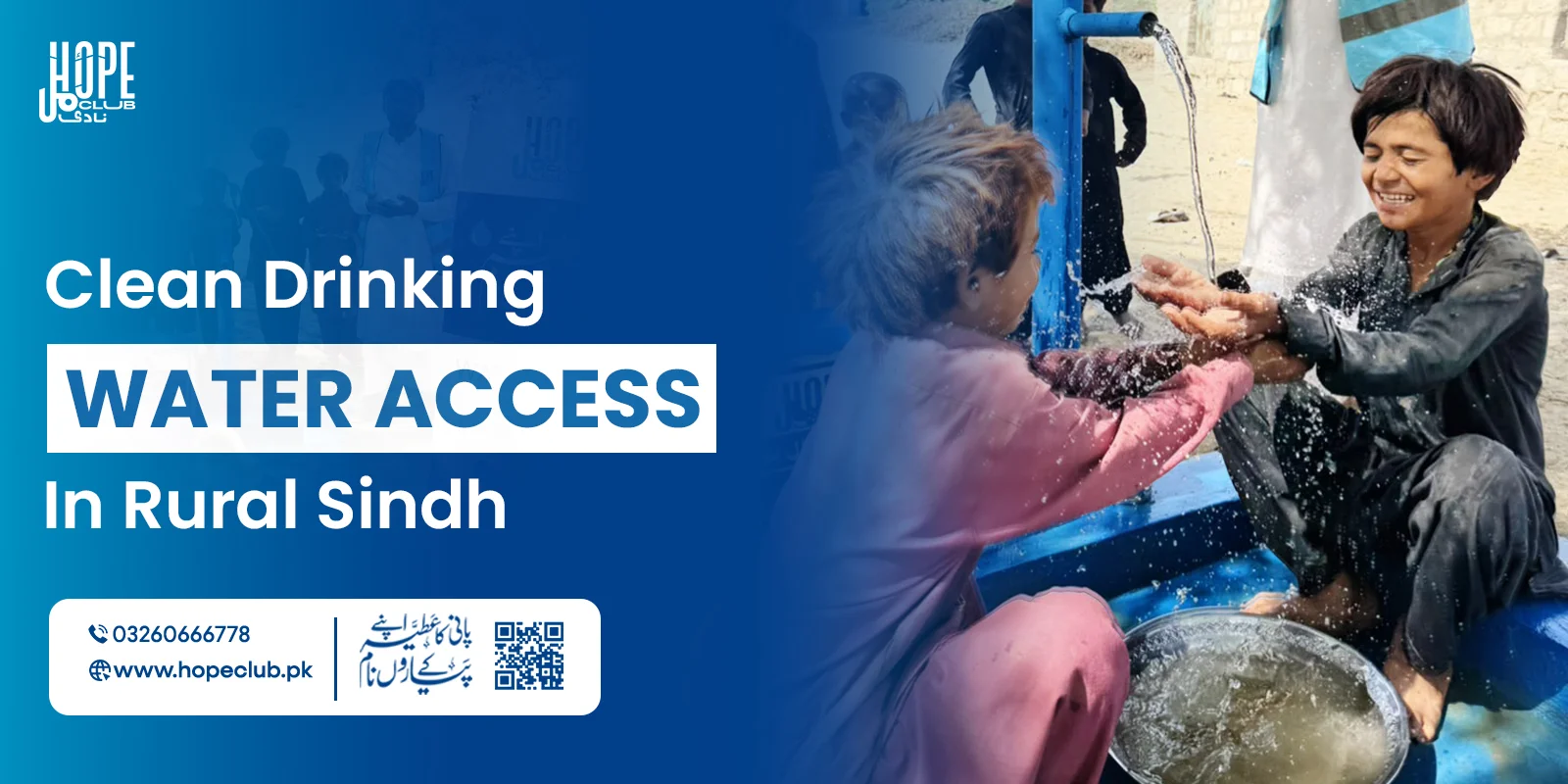
Hand pump projects are practical for villages and rural communities where families need nearby access to clean water. A hand pump can reduce walking distance, improve hygiene, and support multiple households daily.
For many donors, hand pump donation is one of the most meaningful forms of Sadaqah Jariyah because people continue benefiting from the water source every day.
A hand pump can help children reach school earlier, mothers save time, and families reduce dependence on unsafe ponds or open wells. If you want to create direct impact, you can support a donate a hand pump project and help provide clean drinking water to families in need.
Solar Water Pump Projects
Solar water pumps are useful for larger communities, deeper groundwater access, and areas with limited electricity. They use solar energy, which can reduce ongoing fuel or electricity costs.
These systems can support villages, schools, mosques, and community spaces. A solar water pump can serve more people than a small individual water source and can provide a more sustainable option in areas where electricity is unreliable.
Donors who want to support a larger community impact can choose a solar water pump donation project.
Water Tank Projects
Water tank projects are important where families need stored water, especially during emergencies, displacement, temporary shortages, or damaged infrastructure. Tanks can help provide water when normal systems are unavailable.
They are especially useful in crisis zones where families cannot rely on regular water infrastructure. A water tank can support drinking, washing, hygiene, and cooking needs during urgent conditions.
For donors who want to help families in emergency situations, water tank donation can provide fast and practical relief.
Filtration and Safe Water Systems
In some areas, water exists but is not safe to drink. Filtration systems help reduce contamination and make water safer for families, schools, mosques, and community centers.
These systems are useful in areas where water sources are affected by poor sanitation, pollution, or unsafe storage. A filtration system can improve the quality of water already available to a community.
This type of project is especially important when families are not facing water shortage alone, but water safety problems.
Why Donors Should Support Clean Water Projects
Donors should support clean water projects because the impact is direct, visible, and long-lasting. Clean water helps reduce illness, save time, support education, improve hygiene, and restore dignity.
A single donation can support many people, not just one person. One hand pump, solar pump, water tank, or filtration system can benefit families repeatedly. This makes water charity one of the most powerful forms of humanitarian giving.
The global clean water challenge cannot be solved by awareness alone. It needs action, funding, planning, and trusted implementation. Donors play an important role by helping communities receive practical water solutions that they could not afford on their own.
Clean Water Charity as Sadaqah Jariyah
Clean water charity is a powerful Sadaqah Jariyah because water is used every day. Every time someone drinks, cooks, washes, or performs hygiene using that water source, the benefit continues.
For donors, this creates both humanitarian and spiritual value. A clean water project can serve people today and continue helping families for years.
This is why many people choose hand pumps, wells, solar pumps, and water tanks as meaningful charity projects. They provide ongoing benefit and help meet one of the most essential needs of life.
How Verified Organizations Build Donor Trust
Donor trust matters because people want to know their contribution is reaching the right place. A verified organization should assess community needs, select the right location, implement the project properly, and provide updates.
Transparency may include photos, videos, beneficiary details, installation updates, maintenance checks, and impact reporting. These details help donors feel confident that their support is creating real impact.
When choosing a charity, donors should look for clear project details, responsible communication, and proof of completed work. A trusted platform helps make giving easier, safer, and more meaningful.
Donate Now
How One Water Project Can Help Many Families
One water project can change life for many households. A hand pump can serve a small village. A solar water system can support a larger population. A water tank can help families during emergencies. A filtration system can improve water safety for an entire community space.
This is why the global clean water challenge needs donor support. Every project can become a shared source of relief, dignity, and hope for families who need clean water every day.
When families receive clean water, they do not only receive a resource. They receive better health, more time, safer routines, and a chance to live with dignity.
Conclusion
Clean water remains a global challenge because poverty, weak infrastructure, unsafe sources, climate change, conflict, and disasters continue to affect vulnerable communities. The global clean water challenge is not only about water shortage. It is about health, dignity, education, safety, and survival.
Families without clean water face daily hardship, but donors can help change this reality. A sustainable water project can reduce disease, save time, support children’s education, and restore dignity to families in need.
If you want to make a long-term difference, support clean water access through a trusted charity project. Start your Sadaqah Jariyah today and help provide clean drinking water to poor families through Hope Club’s donate a hand pump project.
FAQs
Why does clean water remain a global challenge?
Clean water remains a global challenge because many communities still face poverty, weak infrastructure, contaminated sources, climate pressure, conflict, displacement, and limited access to safe water systems.
How many people lack access to safe drinking water worldwide?
WHO and UNICEF reported in 2025 that around 2.1 billion people globally still lack safely managed drinking water.
What causes the global water crisis?
The main causes include poor infrastructure, unsafe water sources, drought, floods, population pressure, conflict, displacement, and lack of investment in sustainable water systems.
How does unsafe water affect children?
Unsafe water can cause repeated illness, poor hygiene, missed school days, weakness, and long-term health problems. Children are often among the most vulnerable because their bodies need safe water for healthy growth.
Why are women and children most affected by water shortages?
In many communities, women and children collect water for the household. This can take hours and reduce time for school, work, safety, rest, and family care.
How does climate change affect clean water access?
Climate change increases droughts, floods, heat, and irregular rainfall. These conditions can reduce water availability and contaminate existing sources.
What are the best clean water charity projects?
Hand pumps, solar water pumps, water tanks, filtration systems, and emergency water relief projects are among the most effective clean water charity solutions.
How do hand pumps help rural communities?
Hand pumps provide nearby access to water, reduce walking distance, improve hygiene, and support multiple families every day.
Why are solar water pumps important?
Solar water pumps are important because they can support larger communities, access deeper groundwater, and work in areas with limited electricity.
Is clean water charity a Sadaqah Jariyah?
Yes, clean water charity is considered Sadaqah Jariyah because people continue benefiting from the water source again and again.
How can donors help solve the clean water crisis?
Donors can support sustainable water projects such as hand pumps, solar pumps, water tanks, and filtration systems through trusted humanitarian organizations.
How does one water project support many families?
One water project can serve multiple households daily. It can improve health, reduce hardship, support hygiene, and create long-term community benefit.


![blogs image 1 blue[2]](data:image/svg+xml;base64,PHN2ZyB4bWxucz0iaHR0cDovL3d3dy53My5vcmcvMjAwMC9zdmciIHZpZXdCb3g9IjAgMCAxMjAwIDY0MCIgd2lkdGg9IjEyMDAiIGhlaWdodD0iNjQwIiBidi1pbWctdXJsPSJodHRwczovL2hvcGVjbHViLnBrL3dwLWNvbnRlbnQvdXBsb2Fkcy9hbF9vcHRfY29udGVudC9JTUFHRS9ob3BlY2x1Yi5way93cC1jb250ZW50L3VwbG9hZHMvMjAyNS8xMC9ibG9ncy1pbWFnZS0xLWJsdWUyLmpwZy5idi53ZWJwIiBidi1yZXNpemVkLWluZm9zPSJORGd3TG1wd1p6bzBPREFxTWpVMk96Z3lNQzVxY0djNk9ESXdLalF6TnpzeE5UTTJMbXB3WnpveE1qQXdLalkwTUE9PSI+PC9zdmc+)