Water Crisis in Pakistan: Facts Donors Must Know
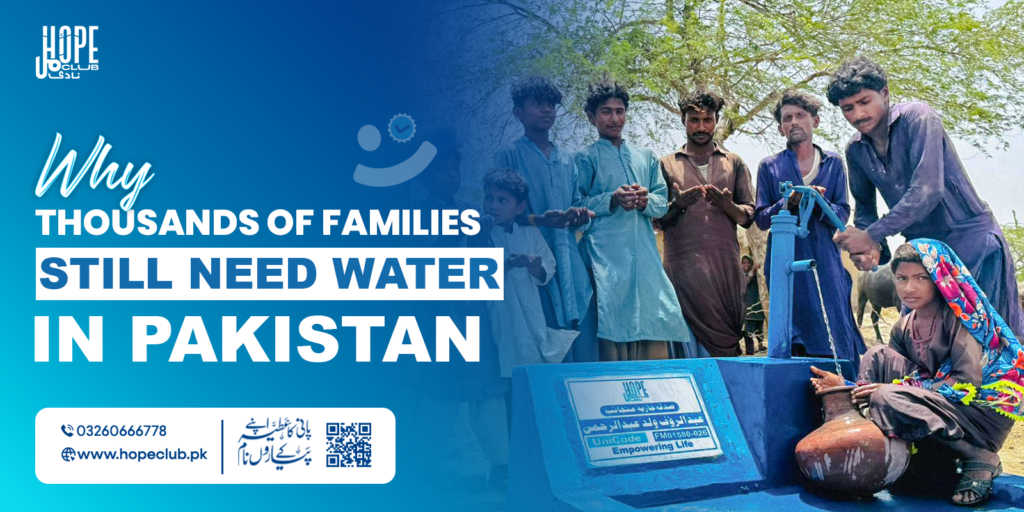
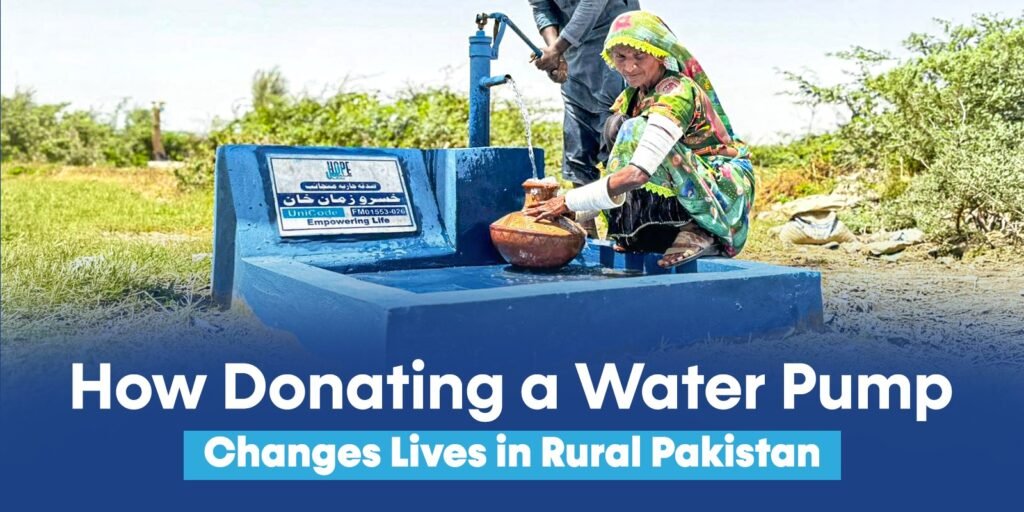
The water crisis in Pakistan is not just a national issue. It is a daily struggle for millions of families who wake up without knowing where their next clean glass of water will come from. In many rural villages, families depend on unsafe wells, ponds, hand-dug sources, or faraway water points just to meet their basic needs. Donate clean water today and help a family move from unsafe water to safer living. For vulnerable communities, clean drinking water means health, dignity, safety, and survival. When a family has reliable water near their home, children can attend school, women can save hours of physical effort, and households can maintain better hygiene. Start your water charity today through Hope Club and support families who need long-term clean water access. Why Pakistan’s Water Crisis Matters Water is one of the most basic needs of life, yet access to safe drinking water remains difficult for many communities across Pakistan. UNICEF Pakistan states that an estimated 70 percent of households still drink bacterially contaminated water, showing how serious the clean water challenge remains for families across the country. This issue matters because unsafe water affects much more than thirst. It creates health problems, increases poverty, reduces school attendance, damages family stability, and puts extra pressure on women and children. Donate now and help provide a clean water source to a family that needs safety, dignity, and daily relief. Key Facts About the Water Crisis in Pakistan The water crisis in Pakistan affects both urban and rural communities, but rural and underserved areas suffer the most because they often lack pipelines, filtration systems, and proper water infrastructure. Many families still collect water from sources that may be polluted, seasonal, or far from their homes. Donors should understand that this crisis is not only about water shortage. It is also about unsafe water quality, weak infrastructure, poverty, climate pressure, and lack of reliable systems. One clean water project can directly improve health, hygiene, education, and daily comfort for multiple families. Many Families Still Lack Safe Drinking Water In many villages, clean water is not available inside homes or even near communities. Families may depend on open ponds, damaged wells, old hand pumps, or shared sources that are not properly maintained. When water sources are unsafe, families are forced to make difficult choices every day. They either drink contaminated water or spend hours trying to find a better source. Help reduce this burden by supporting donate hand pump in Pakistan and give families nearby access to clean drinking water. Contaminated Water Causes Serious Health Problems Unsafe drinking water can expose families to bacteria, parasites, and pollutants that increase the risk of illness. Common problems linked with contaminated water include diarrhea, typhoid, cholera, stomach infections, skin diseases, and poor sanitation-related illnesses. Children are especially vulnerable because repeated illness can affect their growth, nutrition, school attendance, and overall development. A clean water donation can help protect children from preventable diseases and give families a healthier start. Women and Children Face the Biggest Burden In many rural areas, women and children are responsible for collecting water. This task can take several hours each day, especially when the nearest water source is far from home. Long walks for water create physical exhaustion, safety concerns, missed school time, and emotional stress. Donate today and help bring clean water closer to families so women and children can spend more time on education, care, and daily stability. Rural Areas Are More Affected Rural communities often suffer because they lack strong water systems, proper filtration, and regular maintenance. Even when water is available, it may not be safe for drinking or cooking. A nearby hand pump or solar water system can transform daily life in these areas. Instead of depending on unsafe ponds or distant sources, families can access water in a safer and more dignified way. Climate Change Is Making Water Shortage Worse Rising temperatures, drought conditions, irregular rainfall, floods, and groundwater depletion are increasing pressure on Pakistan’s water resources. PIDE highlights rapid population growth, climate change, floods, droughts, and poor agricultural water practices as major reasons behind Pakistan’s water challenges. Climate pressure makes poor communities even more vulnerable because they cannot easily build or repair water systems on their own. Support clean water projects now and help communities become more resilient against future shortages. How Unsafe Water Affects Daily Life The water crisis in Pakistan affects daily life in ways many donors may not immediately see. A mother may spend hours collecting water instead of caring for her children. A child may miss school because the family needs help carrying water. A father may spend money on medical treatment because unsafe water keeps making the household sick. Water also affects hygiene, food preparation, washing, sanitation, and emotional peace. When a family has clean water nearby, life becomes more stable, healthier, and safer. Give clean water today and become part of a solution that helps families every single day. Why Donors Should Care About Pakistan’s Water Crisis Donors should care because water charity creates direct, visible, and long-term impact. Unlike many forms of temporary support, a clean water project can continue helping families for years. Your donation can reduce disease risk, save time, support children’s education, ease women’s hardship, and improve community dignity. Every contribution matters because one water source can benefit many households repeatedly. Main Causes of Water Crisis in Pakistan The water crisis in Pakistan has many causes, and understanding them helps donors support the right solutions. In some areas, the problem is lack of infrastructure. In others, it is contamination, falling groundwater levels, floods, drought, or poor water management. The World Bank has noted that Pakistan can gain more social, economic, and environmental benefits from water through urgent reforms in water efficiency and service delivery. This shows that clean water access is not only a charity concern but also a national development priority. Poor Water Infrastructure Many villages do not have proper pipelines, storage systems, filtration plants, or reliable community water