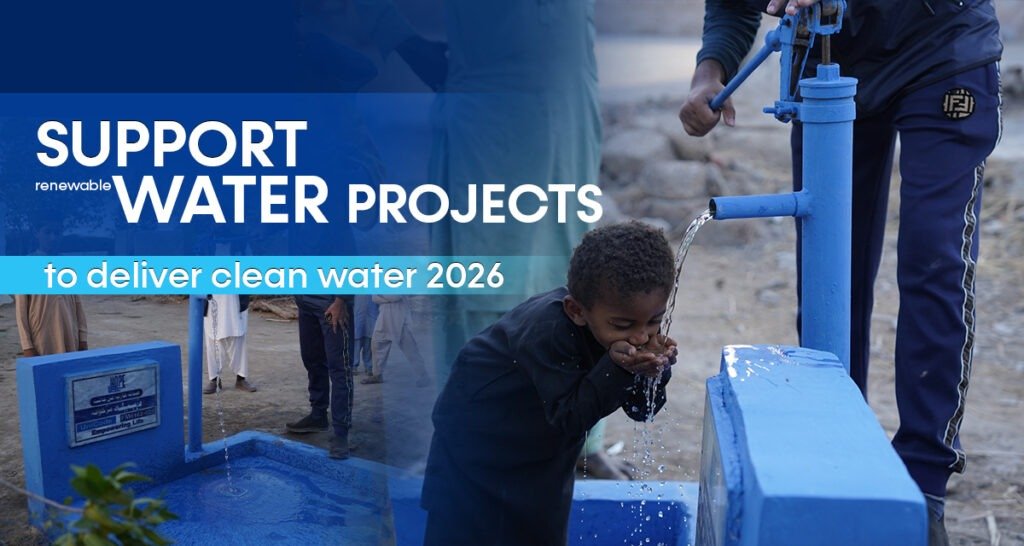

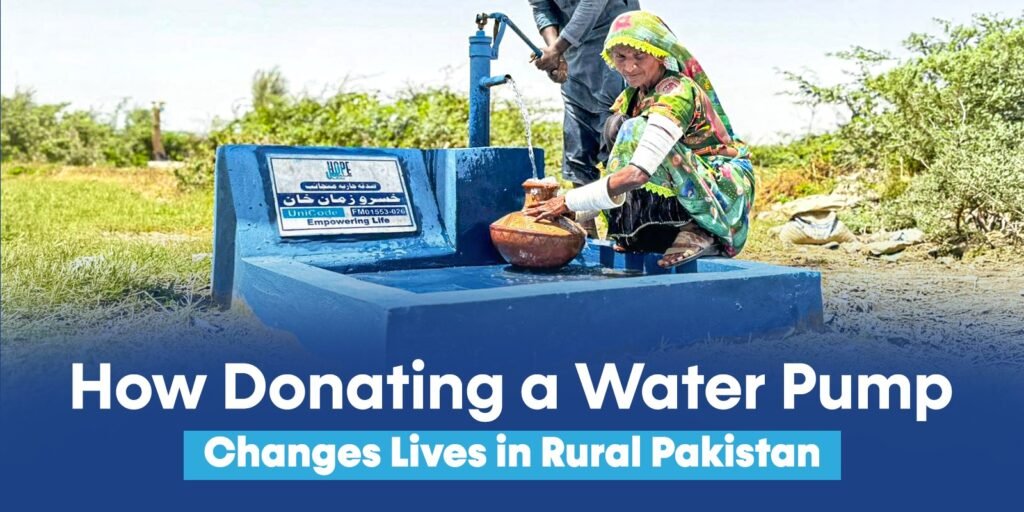
How Donating a Water Pump Changes Lives in Rural Pakistan
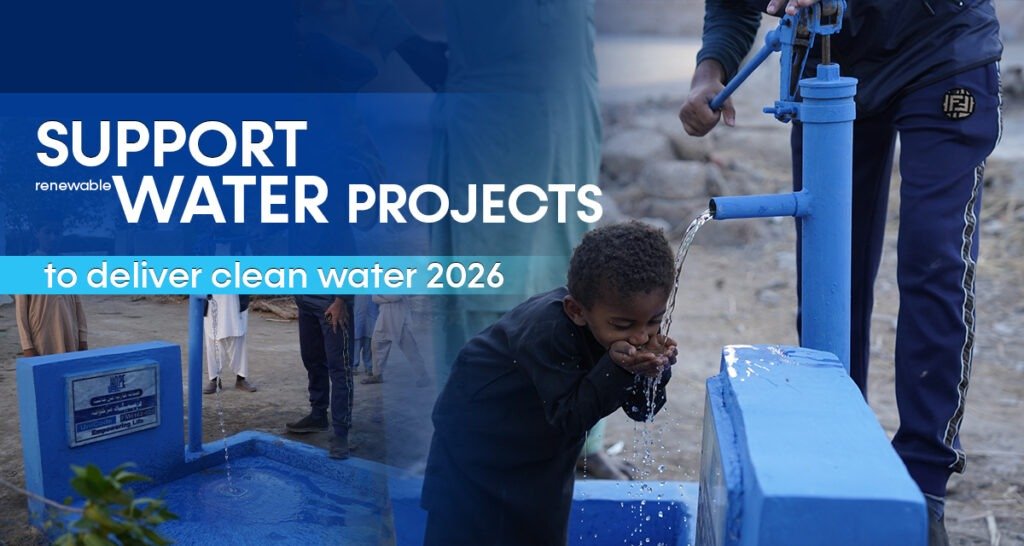
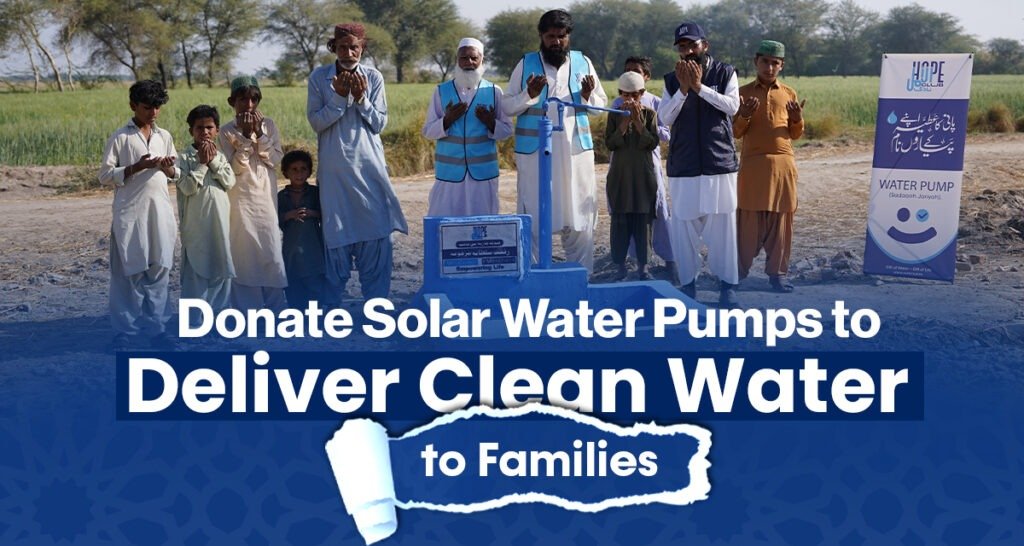
For millions of people living in rural Pakistan, access to clean drinking water remains a daily struggle. In many villages, families wake up each morning not knowing whether safe water will be available nearby. Women and children often walk long distances carrying heavy containers just to collect water for drinking, cooking, and washing. The challenge becomes even more difficult during extreme heat, drought, or seasonal shortages. In some areas, communities rely on unsafe ponds, canals, or contaminated underground sources, exposing families to serious health risks. Waterborne diseases, poor sanitation, and lack of hygiene continue to affect vulnerable populations across rural regions. For children, especially girls, the consequences go beyond health. Many spend hours every day helping collect water instead of attending school consistently. The physical burden placed on families can shape nearly every part of daily life. Yet something as simple as a village hand pump can completely transform this reality. Reliable access to clean water changes far more than hydration alone. It improves health, protects children, reduces physical hardship, and restores dignity to communities struggling with poverty and water scarcity. A single water pump may serve dozens of families every day, providing sustainable relief for years. Donating a water pump is not simply about providing water; it is about helping communities regain safety, stability, and hope. In many villages, one functioning water source can reshape the future of an entire community. Donate Now Why Water Access Matters So Deeply Clean water affects every aspect of life: Without safe water, even the most basic daily activities become difficult and dangerous. This is why sustainable access to water remains one of the most important humanitarian challenges in rural Pakistan today. The Water Crisis in Rural Pakistan Millions Still Lack Access to Clean Water Despite major advancements in infrastructure and technology worldwide, many rural communities in Pakistan still struggle to access safe drinking water. In numerous villages, clean water is not easily available within homes or nearby communities. Instead, families often rely on unsafe sources such as ponds, canals, shallow wells, or contaminated groundwater. For millions of people, finding water is not a simple daily task; it is a constant challenge tied directly to survival. Water Scarcity and Climate Challenges Pakistan faces increasing pressure from: In rural areas, these challenges become even more severe because communities often lack modern infrastructure or reliable water systems. Seasonal heat and dry conditions can cause local water sources to shrink or disappear completely. As a result, many villages experience long-term shortages throughout the year. Contaminated Water and Health Risks In many communities, the available water may not be safe to drink. Contaminated water exposes families to dangerous illnesses and poor sanitation conditions. Unsafe water can contribute to: Without reliable access to clean drinking water, maintaining proper hygiene also becomes difficult. The Burden on Women and Children One of the most difficult realities of the rural water crisis is the burden placed on women and children. In many villages, they are responsible for collecting water every day. This often means: For young girls in particular, water collection may interfere with education and daily development. Instead of attending school consistently, many spend large portions of their day helping their families secure water. Broken Infrastructure and Poverty Poverty and weak infrastructure make the problem harder to solve. Many villages lack: How a Water Pump Changes Daily Life A reliable water pump does far more than provide access to water. In many rural communities, it changes how families live, work, cook, learn, and care for their health. What may seem like a simple installation can become one of the most important resources in an entire village. For communities struggling with water scarcity, access to a nearby clean water source can transform daily life in lasting ways. Access to Clean Drinking Water The most immediate impact of a hand pump is safe access to clean drinking water. Instead of relying on contaminated ponds or unsafe underground sources, families can collect cleaner water directly within their community. This improves: Cleaner water helps reduce exposure to disease and creates healthier living conditions for families. Providing reliable access to clean water through hand pump installations can create long-term change for struggling communities while serving as a powerful form of continuous charity. Donate Now Women and Children Save Time In many rural villages, women and children spend hours every day collecting water from distant locations. Carrying heavy containers across difficult terrain places physical and emotional strain on families. When a hand pump is installed nearby: The impact on daily routines can be life-changing. Better Health for Entire Communities Clean water plays a critical role in protecting public health. Communities without access to safe water often experience frequent outbreaks of waterborne and hygiene-related illnesses. Access to cleaner water helps reduce: Healthier families mean fewer medical expenses, stronger children, and improved quality of life across the community. Water Pumps Support Livelihoods Reliable access to water also supports economic and household stability. Families depend on water not only for drinking, but also for cooking, livestock care, and small-scale agricultural activities. A functioning water source can help communities: Water is connected to nearly every aspect of rural life. A Small Installation With Lasting Impact Although a hand pump may appear simple, its long-term effect on a community can be enormous. A single installation may continue serving families daily for many years, helping entire villages move toward healthier and more stable living conditions. This is why water pump projects are often viewed as among the most meaningful forms of humanitarian support and ongoing charity. Why Water Charity Is a Powerful Sadaqah Jariyah The Meaning of Continuous Charity in Islam In Islam, some acts of charity continue benefiting people long after they are given. These forms of ongoing charity are known as Sadaqah Jariyah, meaning continuous charity that generates reward over time. Among the many forms of Sadaqah Jariyah, providing water is often considered one of the most meaningful, as water is essential to human life. Every person who drinks,