
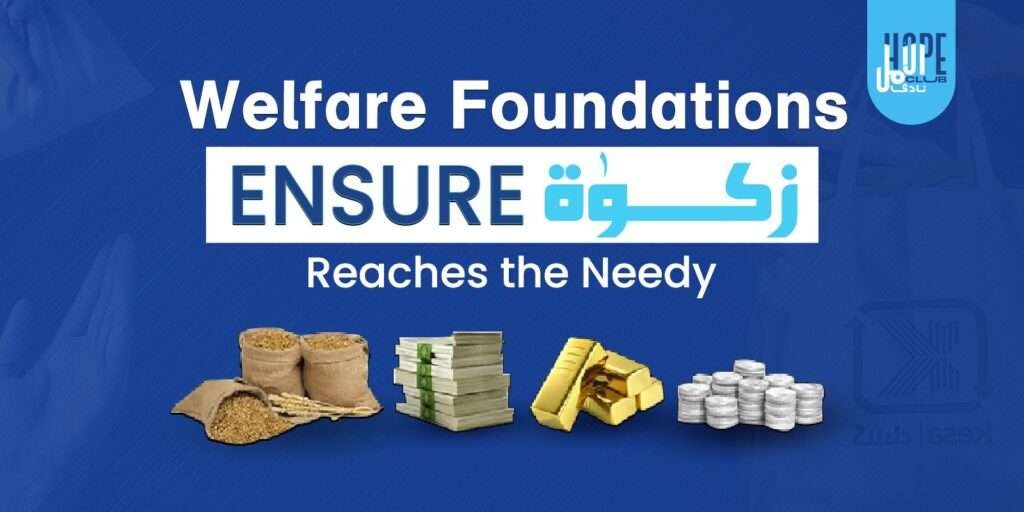
How welfare foundations ensure zakat reaches the needy
Zakat is not an optional charity. It is a defined obligation with specific rules about who can receive it and how it must be distributed. Because of this, the question of where to give Zakat is just as important as the intention to provide it. Many people choose to give Zakat directly to individuals they know. While this may feel personal, it can also carry risks. Without proper verification, there is no certainty that recipients meet Zakat eligibility criteria. Informal distribution can unintentionally miss those who are most in need or result in unequal support. The Risk of Unstructured Zakat Giving When Zakat is given without a system, several issues can arise: These risks do not come from bad intentions, but from a lack of structure. Why Verified Systems Matter for Zakat Islam places strong emphasis on justice and responsibility in charitable giving. Zakat must reach the needy, not just the visible. This requires careful assessment, documentation, and monitoring. A structured welfare foundation provides: Such systems ensure Zakat fulfills its purpose rather than becoming symbolic giving. Donate Now Zakat as a Trust, Not Just a Transfer Zakat is described as a trust (amanah). Once given, the responsibility shifts to those managing it. This chooses a welfare foundation critical. A trusted foundation treats Zakat with the seriousness it deserves, following Islamic guidelines and ethical standards at every stage. Giving Zakat through a verified welfare foundation allows donors to fulfill their obligation with confidence, knowing that their contribution is reaching the right people in the right way. Who Can You Give Zakat To (According to Islamic Guidelines) Understanding who can receive Zakat is essential to fulfilling this obligation correctly. Zakat is not a general donation that can be given to anyone in need. Islamic teachings define specific categories of recipients to ensure fairness and proper distribution. The Eight Categories of Zakat Beneficiaries Islam identifies eight categories of people who are eligible to receive Zakat. While interpretations may vary slightly, the core principle remains consistent: Zakat must reach those who are genuinely in need. The most commonly supported categories include: Welfare foundations focus primarily on these groups to ensure Zakat addresses urgent and essential needs. Priority Given to Needy Families In practice, Zakat distribution often prioritizes needy families who struggle to meet daily necessities such as food, shelter, healthcare, and education. Supporting families helps create stability and prevents long-term hardship. Needy families are prioritized because: This approach ensures Zakat has the greatest social impact. Who You Cannot Give Zakat To Equally important is knowing who is not eligible for Zakat. Zakat generally cannot be given to: This distinction protects the integrity of Zakat and ensures compliance with Islamic law. Why Eligibility Verification Is Necessary Determining eligibility requires more than assumptions. A person’s visible hardship does not always reflect their financial status. Proper verification helps ensure Zakat reaches those who truly qualify. This is where structured welfare foundations play a vital role through assessment, documentation, and verification processes. How Welfare Foundations Identify the Needy Ensuring that Zakat reaches those who truly qualify requires more than good intentions. Welfare foundations follow structured processes to identify and verify needy families so that Zakat is distributed fairly, accurately, and in line with Islamic guidelines. Field Assessments and On-Ground Visits Identification begins with direct engagement. Field teams visit communities to understand local conditions rather than relying on assumptions or second-hand information. During field assessments, teams: This on-ground presence helps distinguish genuine need from temporary hardship. Income and Need Verification Zakat eligibility depends on financial status. Welfare foundations assess income and resources carefully to ensure accuracy. Verification may include: This process ensures Zakat reaches those whose income does not meet basic living requirements. Community Referrals and Local Validation Local knowledge plays an important role in identifying needy families. Community leaders, elders, and trusted individuals often help verify cases discreetly. Local validation helps: This collaborative approach strengthens accuracy and trust. Documentation and Record Keeping Verified welfare foundations maintain proper records of assessed beneficiaries. Documentation supports accountability and prevents misuse. Records typically include: This ensures Zakat distribution remains organized and traceable. Why Professional Identification Matters Without structured identification, Zakat risks being misdirected. Welfare foundations bring consistency, fairness, and accountability to the process, ensuring that Zakat reaches those who are truly entitled to receive it. The Zakat Distribution System Explained Once eligible recipients are identified, Zakat must be distributed through a clear and structured system. This process ensures that funds are handled responsibly, reach the right people, and remain fully compliant with Islamic guidelines. Collection and Segregation of Zakat Funds The first step in distribution is proper fund handling. Zakat is recorded separately from other forms of charity, such as Sadaqah or general donations. This separation ensures: Clear segregation protects the religious validity of Zakat. Allocation to Verified Beneficiaries After collection, Zakat funds are allocated only to individuals and families who meet eligibility criteria. Welfare foundations match funds to verified cases based on urgency and need. Allocation decisions consider: This ensures Zakat reaches those who need it most. On-Ground Distribution Through Controlled Channels Zakat is distributed through on-ground teams using defined procedures. Distribution is monitored to prevent duplication, misuse, or misallocation. Controlled distribution helps: Each step is documented internally for accountability. Monitoring and Internal Review After distribution, internal reviews are conducted to confirm that funds were used correctly. Monitoring helps identify gaps, improve processes, and maintain transparency. This includes: Donate Now Zakat Transparency and Accountability Transparency is what transforms intention into trust. For Zakat to fulfill its purpose, donors must be able to see how funds are managed, tracked, and reported. Welfare foundations that prioritize transparency reduce doubt and protect the sanctity of Zakat. Clear Documentation and Record Keeping A transparent Zakat process relies on accurate documentation at every stage. Welfare foundations maintain records that show how Zakat is received, allocated, and distributed. This documentation typically includes: Proper record keeping ensures Zakat remains traceable and accountable. Internal Oversight and Accountability Systems Accountability goes beyond documentation. Welfare foundations implement internal controls to