One of the biggest concerns donors have today is not whether water projects are needed, but whether their donation is actually used as promised. In recent years, stories of donation fraud, incomplete projects, and lack of reporting have made many people cautious. This hesitation is reasonable. When donors give, they want clarity, proof, and accountability.
Transparency is the foundation of trust in water donations. Without it, even the most important cause can lose credibility. Donors are no longer satisfied with vague assurances. They want to know where their money goes, how decisions are made, and what happens after the donation is completed.
The Risk of Low Transparency
When organizations fail to communicate clearly, several problems arise:
- Donors feel uncertain or anxious
- Trust breaks down after the first donation
- Repeat donations decline
- Genuine projects lose long-term support
Lack of visibility not only affects individual donors. It weakens confidence in charitable work as a whole.
Why Accountability Builds Long-Term Trust
Accountability means showing the full journey of a donation, not just the intention behind it. From planning to construction and final reporting, each step should be documented and shared. This approach reassures donors that their contribution is being handled responsibly.
Transparent organizations treat donors as partners, not just contributors. They provide access to real information, progress updates, and completed project proof. This level of openness encourages donors to stay engaged and support future initiatives.
Transparency as a Commitment, Not a Feature
True transparency is not a marketing tool. It is an operational commitment. It requires systems, field teams, verification processes, and consistent communication. When done properly, transparency transforms donor relationships from one-time transactions into long-term trust.
To see how transparent water initiatives are managed in practice, you can explore active and completed water projects here:
Step 1: Project Planning After Your Donation
Once a water donation is made, the process does not pause or disappear into uncertainty. The first and most critical step is structured project planning. This stage ensures that every donation is properly logged, assigned, and prepared for execution in a responsible and transparent way.
Donation Logging and Confirmation
Immediately after your donation is completed, it is recorded in the internal system.
This includes:
- Donor details
- Donation amount
- Project category
- Date and reference number
This step ensures that every contribution is traceable and accounted for from the beginning.
Project Type Assignment
After logging, the donation is assigned to a specific project type based on the selected option.
Project types may include:
- Hand-pump water projects
- Deep-bore water pumps
- Community water systems
Each project category follows predefined standards to maintain consistency and quality across installations.
Budget Allocation and Resource Planning
Once the project type is confirmed, funds are allocated specifically for that project.
This process covers:
- Material procurement
- Labor costs
- Equipment and transport
- Site preparation
Budget allocation is handled internally to ensure that resources are used only for their intended purpose.
Location Shortlisting Based on Need
The next step is identifying suitable locations.
A shortlist of potential villages is created using:
- Water scarcity data
- Population needs
- Accessibility
- Absence of existing water infrastructure
This prevents arbitrary site selection and ensures impact-driven planning.
Internal Approval and Oversight
Before any field activity begins, internal approvals are completed.
This includes:
- Project feasibility review
- Budget verification
- Timeline planning
- Assignment of field teams
Step 2: Site Surveys and Location Verification
Before construction begins, every water project goes through a detailed site survey and verification process. This step ensures that water projects are built in the right locations, meet real community needs, and remain sustainable over time.
Field Team Visits to Villages
After planning approval, trained field teams visit shortlisted villages.
During these visits, teams:
- Meet local residents and leaders
- Observe current water sources
- Document daily water challenges
- Confirm accessibility and safety
These visits ensure decisions are based on real conditions, not assumptions.
Assessing Water Sources and Ground Conditions
A successful water project depends on reliable groundwater access.
Field teams conduct:
- Groundwater availability checks
- Soil and terrain assessments
- Evaluation of contamination risks
- Seasonal water reliability analysis
This prevents installations in unsuitable locations and protects long-term functionality.
Community Needs Analysis
Understanding how water will be used is essential.
Teams assess:
- Population size and density
- Daily water demand
- Presence of schools or clinics
- Impact on women and children
This helps determine the correct system type and capacity.
Safety, Feasibility, and Local Approvals
No project moves forward without safety and feasibility checks.
This includes:
- Safe construction zones
- Accessibility for equipment
- Local authority awareness or approval
- Community consent
These steps protect both the community and the project.
Proof and Verification Signals
Transparency starts early.
Verification includes:
- On-site photos and videos
- GPS location tagging
- Documentation of approvals
These records become part of the project’s proof trail.
Step 3: Community Involvement and Local Coordination
A water project is only successful when the community it serves is actively involved. Without local coordination, even pump-built projects can fail over time. This is why community engagement is a critical step after site verification and before construction begins.
Consultation With Community Leaders
Before installation, local leaders and elders are consulted.
This helps to:
- Confirm community need and priority
- Identify the most suitable installation point
- Gain local approval and support
- Reduce future disputes or misuse
Local leadership involvement ensures the project is accepted and respected.
Identifying Beneficiaries
Understanding who will use the water source is essential.
Field teams work with communities to:
- Identify households that lack access to clean water
- Prioritize vulnerable groups such as children and women
- Estimate daily water usage
This information guides system size and design decisions.
Planning for Maintenance and Protection
Long-term success depends on local responsibility.
Communities are involved in:
- Understanding basic maintenance needs
- Protecting the water source from misuse
- Reporting issues early
This shared responsibility extends the lifespan of the project.
Why Community Buy-In Matters
Projects with community ownership last longer and perform better.
Community involvement leads to:
- Faster problem resolution
- Reduced vandalism or neglect
- Better daily care of the system
- Long-term sustainability
When communities feel ownership, water projects become part of daily life rather than external installations.
Building Trust Beyond Construction
Community coordination builds trust not only locally but also with donors.
It demonstrates:
- Responsible planning
- Respect for local knowledge
- Commitment to sustainability
This approach ensures that water projects continue to serve communities effectively long after installation.
Step 4: Construction of the Water Project
Once planning, verification, and community coordination are complete, the water project moves into the construction phase. This is where planning turns into real infrastructure on the ground. Construction follows defined standards to ensure safety, durability, and long-term performance.
Materials and Equipment Used
Only appropriate materials are used to ensure the water project remains functional over time.
Construction typically involves:
- Drilling equipment suited to ground conditions
- Durable pipes and casings to protect the bore
- Pumps selected based on system type
- Storage components were required
Using quality materials reduces the risk of early failure and contamination.
Skilled Labor and Safety Standards
Construction is carried out by trained teams with experience in water infrastructure.
Key practices include:
- Adhering to safety protocols
- Proper handling of equipment
- Secure installation techniques
- Protection of surrounding areas
Safety standards protect workers and ensure the pump is built correctly from the start.
Installation Timeline and On-Site Monitoring
Construction timelines vary depending on location and system type.
During this stage:
- Work is scheduled to minimize disruption
- Progress is monitored regularly
- Issues are addressed immediately
This approach helps keep projects on track and within expected timelines.
Visual Proof During Construction
Transparency continues throughout construction.
Visual documentation includes:
- Photos of drilling and installation
- Videos showing progress stages
- Images of the completed structure
These visuals become part of the project record and are shared with donors.
Why Proper Construction Matters
A water project must work every day, not just at installation. Strong construction ensures reliable water flow, safety, and long-term service for the community.
Step 5: Monitoring and Quality Checks
Completing construction does not mean a water project is automatically approved. Before a project is considered finished, it goes through a structured monitoring and quality-check process. This step ensures that the water system is safe, functional, and capable of serving the community reliably.
Water Flow and Functionality Testing
The first priority after construction is confirming that the system works as intended.
Quality checks include:
- Testing water flow consistency
- Ensuring pumps operate smoothly
- Confirming storage capacity if applicable
- Verifying ease of access for users
These tests ensure the water source can meet daily community needs without interruption.
Water Quality and Safety Checks
Clean water access must meet safety standards.
Field teams perform:
- Visual inspection of water clarity
- Basic contamination risk assessment
- Checks for proper sealing and protection
- Verification of safe usage conditions
This reduces health risks and protects long-term water quality.
Structural and Installation Review
The physical structure of the water project is inspected carefully.
This review covers:
- Stability of the bore or pump structure
- Secure installation of pipes and casings
- Protection from surface contamination
- Safety of surrounding access areas
Any issues identified during this stage are corrected before approval.
Final Inspection and Approval
A project is approved only after all checks are completed.
Final approval includes:
- Confirmation that standards are met
- Documentation of test results
- Sign-off by responsible teams
This step prevents shortcuts and ensures accountability.
Step 6: Reporting Back to Donors
Reporting is where trust is either strengthened or lost. After a water project is completed and verified, donors must be clearly informed about what was done, where it was done, and how their contribution created impact. Transparent reporting ensures that donors never feel disconnected from the outcome of their donation.
Regular Updates Throughout the Process
Donors are not expected to wait silently until completion.
Hope Club provides:
- Progress updates at key stages
- Field photos and short videos
- Notifications during construction milestones
These updates help donors follow the journey of their project from planning to completion.
Final Proof and Documentation
Once the water project passes quality checks, the final proof is shared.
This typically includes:
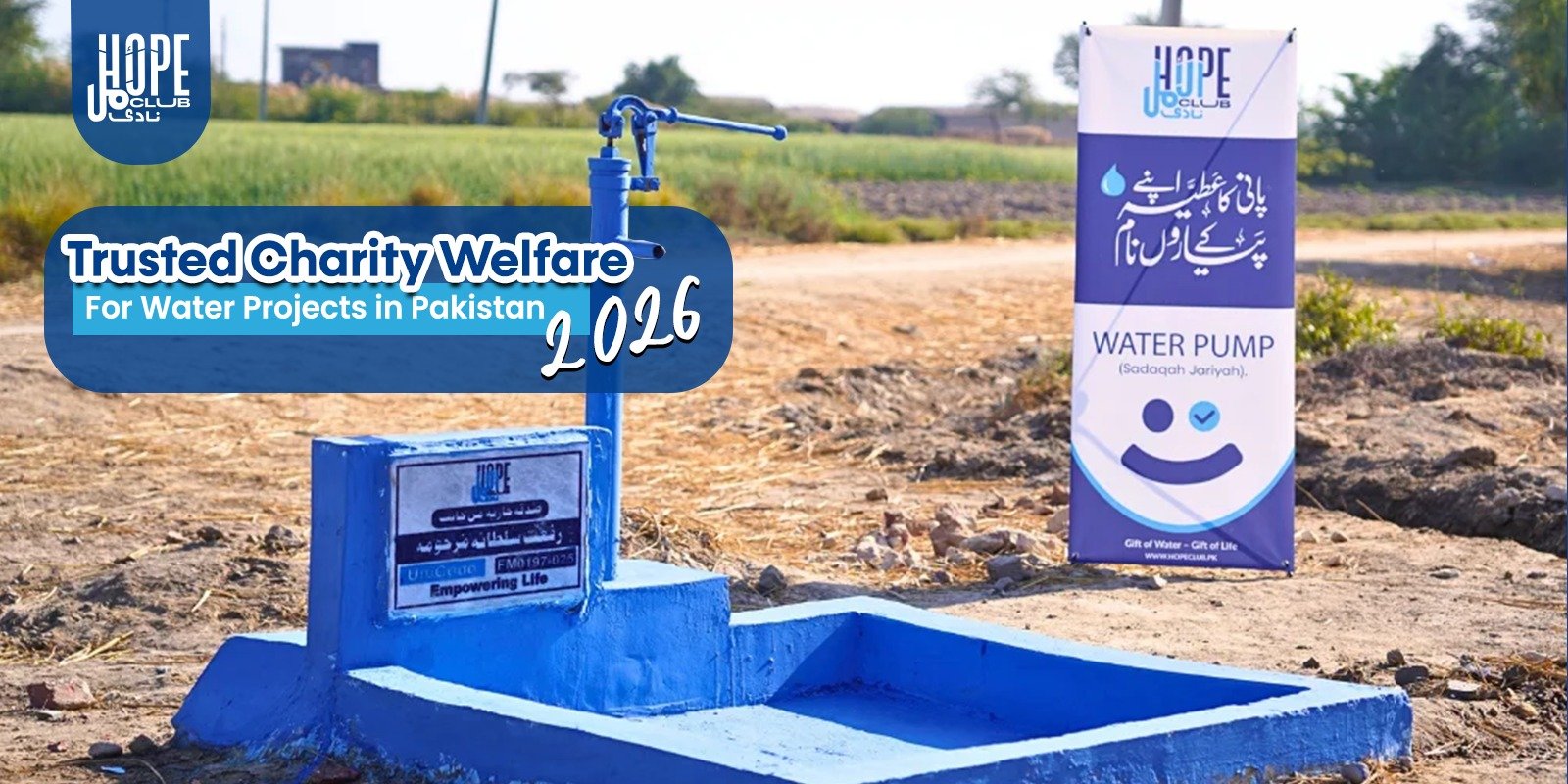
- Photos of the completed water source
- Videos showing water flow and usage
- GPS location details
- Completion confirmation
These materials act as permanent evidence that the project is real and operational.
Completion Certificates and Reports
Donors receive formal documentation after project completion.
This may include:
- Completion certificates
- Summary reports outlining the project scope
- Confirmation of community access
These documents provide closure and reassurance.
You Never Donate Blindly
A key promise of transparent water donations is visibility.
Donors are able to:
- See real outcomes
- Track their impact
- Retain records for future reference

How Your Donation Creates Long-Term Impact
Water projects do more than provide immediate access to clean water. When planned, verified, and maintained properly, they create measurable long-term improvements across multiple areas of daily life. These outcomes are gradual but lasting.
Improved Health Outcomes
Access to clean water significantly reduces exposure to waterborne illnesses.
Long-term health improvements include:
- Fewer cases of diarrhea and stomach infections
- Reduced medical expenses for families
- Better hydration and nutrition
- Stronger immunity, especially among children
Over time, healthier communities place less strain on local health services.
Consistent Access to Education
Water availability directly affects school attendance.
Long-term educational benefits include:
- Fewer school absences due to illness
- Reduced time spent collecting water
- Better concentration and learning outcomes
- Safer sanitation conditions in schools
Reliable water access allows children to focus on education rather than survival tasks.
Women’s Time, Safety, and Participation
When water is available nearby, women gain time and security.
This leads to:
- Reduced physical strain
- Improved personal safety
- More time for household management
- Greater participation in education or income activities
These changes strengthen families and communities over time.
Economic Stability and Livelihood Support
Water access supports local productivity.
Long-term economic impact includes:
- Improved small-scale farming
- Healthier livestock
- Time savings for income-generating work
- Reduced dependence on external aid
Communities with reliable water sources are better positioned to grow economically.
Why Long-Term Impact Requires Systems
Lasting impact is not accidental. It depends on proper planning, quality construction, monitoring, and community ownership. When these systems are in place, water projects continue to deliver benefits year after year.
Sadaqah Jariyah and Ongoing Rewards
For many donors, water projects are not only humanitarian efforts but also a form of ongoing charitable giving. In Islamic teachings, charity that continues to benefit people over time holds special value. Clean water access fits naturally within this understanding because it supports daily life continuously.
Why Water Is Considered Continuous Charity
Water projects qualify as ongoing charities because their benefits do not stop after installation.
They continue to provide:
- Daily access to a basic human need
- Long-term support for health and hygiene
- Shared benefit for entire communities
As long as people continue using the water, the positive impact continues.

Water pumps as Sadaqah Jariyah
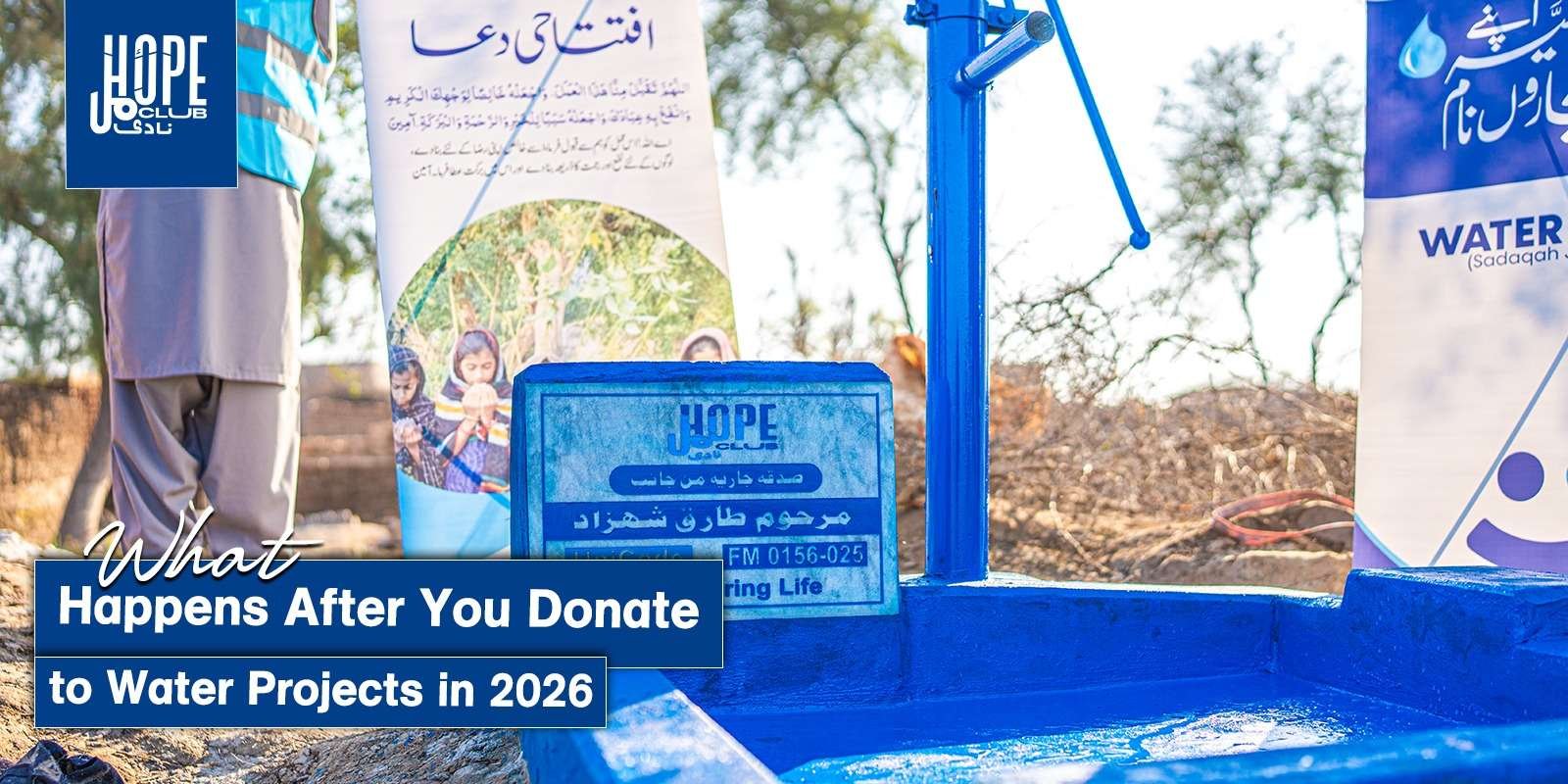
Donating to water projects is widely recognized as Sadaqah Jariyah because it creates a lasting resource. Unlike one-time assistance, a water pump or water system serves people for many years. This aligns with the concept of charity that keeps giving without repeated donations.
Hope Club structures water projects with durability and long-term functionality in mind, ensuring they meet the requirements of ongoing charitable benefit.
Clarifying Zakat Eligibility
Zakat eligibility depends on how and where funds are used.
Key considerations include:
- Whether beneficiaries qualify for Zakat
- How funds are allocated within the project
- Donor intention at the time of giving
Hope Club provides guidance to donors on Zakat eligibility so contributions align with religious requirements when applicable.
Transparency in Faith-Based Giving
Islamic giving places strong emphasis on trust and accountability.
This is supported through:
- Clear documentation
- Proof of completion
- Ongoing reporting
Transparent processes ensure donors can fulfill their religious intentions with confidence.
Conclusion
Donating for water should never feel uncertain. When donors understand exactly what happens after they give, confidence replaces doubt, and trust becomes long-term. From project planning and site verification to construction, monitoring, and final reporting, a transparent process ensures that every donation leads to real, measurable impact.
Hope Club’s approach to water projects is built on accountability and visibility. Donors are kept informed at every stage and receive clear proof once a project is complete. This openness not only strengthens trust but also encourages continued support. When people can see how their contribution turns into clean water for communities, donating again becomes a decision made with confidence rather than hope.
FAQs
Q1. How long does it take to complete a water project?
Most water projects are completed within 21 to 30 days after donation. The timeline may vary slightly depending on location, groundwater conditions, and project type. Donors are informed if any delays occur. Regular updates are shared throughout the process.
Q2. Will I receive proof that my donation was used properly?
Yes. Donors receive photos, videos, and completion confirmation once the project is finished. GPS location details and usage evidence are also shared. This ensures donors can see real impact, not just claims.
Q3. Can I choose the location for my water project?
Donors may request a specific region or dedicate the project in someone’s name. Location preferences are balanced with verified community needs. Every site is assessed to ensure the project will be effective and sustainable.
Q4. How do I track my water donation after giving?
Donors receive progress updates during key stages of the project. Communication is shared via WhatsApp or email. This keeps donors informed from planning to completion without needing to follow up repeatedly.
Q5. Is donating to water through the Hope Club legitimate?
Hope Club operates verified water projects with documented planning, field surveys, construction, and reporting. Each project follows a defined process with proof at every stage. Transparency and accountability are built into the system.
Q6. What happens if a project is delayed?
Delays can occur due to weather, ground conditions, or access issues. Donors are informed immediately if timelines change. No project proceeds without proper communication and explanation.
Q7. Can I donate a water project in someone’s name?
Yes. Many donors choose to dedicate water projects in memory or honor of someone. This information is recorded during project registration and reflected in completion documentation.
Q8. Is my donation eligible for Sadaqah Jariyah or Zakat?
Water projects are widely considered Sadaqah Jariyah due to their ongoing benefit. Zakat eligibility depends on beneficiary criteria and donor intention. Guidance is provided before donation when needed.
Q9. How does Hope Club ensure projects are not misused?
Projects are protected through community involvement, local coordination, and verification. Community ownership reduces misuse and improves maintenance. Ongoing monitoring helps sustain long-term impact.
Q10. Where can I see verified water projects and reports?
Hope Club maintains public verification and reporting records. Donors can review completed projects and proof documentation here: Learn More