Water is not merely a physical necessity in Islam; it is a divine blessing, a sacred trust, and a means of spiritual purification. From wuḍūʾ (ablution) and ghusl (ritual bathing) to agriculture, sustenance, and survival, water is deeply woven into Islamic life. The Qur’an repeatedly reminds humanity that life itself flows from water:
(وَجَعَلْنَا مِنَ الْمَاءِ كُلَّ شَيْءٍ حَيٍّ ۖ أَفَلَا يُؤْمِنُونَ)
“And we made from water every living thing. Will they not then believe?” Qur’an 21:30
Because of this central role, Islam places extraordinary emphasis on providing water to others. Among all charitable acts, giving water stands out as one of the most rewarded, particularly when it becomes a source of ongoing benefit. This is why donating a water well or water system is widely regarded as Ṣadaqah Jāriyah (continuous charity), a charity whose reward continues to reach the donor even after death.

Hope Club is doing commendable work in the field of water projects by focusing on real needs, sustainability, and human dignity.
Their approach reflects a sincere effort to turn the concept of Ṣadaqah Jāriyah into long-lasting benefit for communities in need.
This hadith, reported in Sahih Muslim, highlights the importance of actions that create long-term benefit. It shows that Islam encourages believers to leave behind goodness that continues to help others. Such deeds become a source of reward even when the person is no longer alive. This teaching motivates Muslims to think beyond their lifetime and invest in meaningful charity.
Why Islam Emphasizes Lasting Impact Over Temporary Relief
Islam values charity that creates ongoing benefit rather than help that ends quickly. Temporary relief, such as feeding someone once, is rewarded but only allows for a short time. Lasting charity continues to support people day after day without repeated effort.
This reflects Islamic values of responsibility, wisdom, and care for future generations. Islam encourages believers to remove hardship in a way that provides stability and dignity. For this reason, actions with long-term impact are considered more beneficial in the sight of Allah.
Water Charity as the Strongest Example of Ṣadaqah Jāriyah
Water charity is one of the clearest and strongest examples of Ṣadaqah Jāriyah in Islam. Water is essential for life, health, and worship, and people need it every day. A single water source can benefit families and communities for many years.
Every sip taken, every ablution performed, and every life supported becomes a source of ongoing reward. Unlike a one-time charity, water continues to serve without further action from the donor. This makes water charity a powerful symbol of lasting impact and continuous mercy in Islam.
Foundations of Ṣadaqah Jāriyah in the Qur’an and Sunnah
Qur’anic View of Charity and Ongoing Benefit
- Charity as Purification and Mercy
The Qur’an describes charity as a means of purifying both wealth and the heart. When a believer gives sincerely, it removes greed and increases compassion. Charity also becomes a source of mercy for those in need, reflecting Allah’s mercy toward His creation. This spiritual and social benefit makes charity an essential part of faith.
(خُذْ مِنْ أَمْوَالِهِمْ صَدَقَةً تُطَهِّرُهُمْ وَتُزَكِّيهِم بِهَا)
“Take charity from their wealth to purify them and cleanse them by it.” Qur’an 9:103
- Responsibility Toward Basic Human Needs
Islam places strong emphasis on meeting basic human needs such as food, water, and safety. The Qur’an teaches that caring for these necessities is a form of worship. Ignoring essential needs while claiming piety goes against Islamic values. Providing ongoing support fulfills this responsibility and protects human dignity.
(وَيُطْعِمُونَ الطَّعَامَ عَلَىٰ حُبِّهِ مِسْكِينًا وَيَتِيمًا وَأَسِيرًا)
“And they give food, despite their love for it, to the poor, the orphan, and the captive.”
Qur’an 76:8
- Spending for Allah Without Seeking Recognition
The Qur’an encourages believers to give charity purely for Allah’s pleasure. Seeking praise or recognition reduces sincerity and the sense of reward. True charity is quiet, humble, and free from showing off. This sincerity ensures that the reward remains lasting and accepted by Allah.
(إِن تُبْدُوا الصَّدَقَاتِ فَنِعِمَّا هِيَ ۖ وَإِن تُخْفُوهَا وَتُؤْتُوهَا الْفُقَرَاءَ فَهُوَ خَيْرٌ لَّكُمْ)
“If you give charity openly, it is good; but if you conceal it and give it to the poor, it is better for you.” Qur’an 2:271
The Hadith of Continuous Deeds After Death
- Explanation of the Famous Ṣaḥīḥ Muslim Hadith
The Prophet Muhammad ﷺ explained that after death, a person’s deeds usually stop except for three. These include Ṣadaqah Jāriyah, beneficial knowledge, and a righteous child who prays for them. This hadith highlights actions that continue to bring reward beyond a person’s lifetime.
- Why Ṣadaqah Jāriyah Is Mentioned First
Scholars explain that Ṣadaqah Jāriyah is mentioned first because of its wide and continuous impact. It benefits many people repeatedly without requiring further effort from the donor. Each act of benefit renews the reward.
- Scholarly Interpretation of “Ongoing Benefit”
Scholars define ongoing benefit as any charity that continues to help people over time. The focus is on usefulness and continuity, not size or publicity. This explains why Islam values lasting impact over temporary relief.
Water in the Qur’an: Life, Mercy, and Divine Provision
- Water as the Source of All Life
The Qur’an repeatedly reminds humanity that water is the foundation of all living things. Every form of life, whether human, animal, or plant, depends on water for survival. Without it, life cannot continue even for a short time. This central role of water elevates it from a simple resource to a divine blessing that must be valued, protected, and shared responsibly.
- Qur’anic Verses Linking Water to Raḥmah and Rizq
In the Qur’an, water is described as a sign of Allah’s mercy (raḥmah) and provision (rizq). Rain is sent down to quench thirst, grow crops, and sustain animals. These verses show that water is not earned by human effort alone but granted by Allah as a mercy for all creation. Providing water to others reflects gratitude for this divine gift.
- Ethical Obligation to Protect and Provide Access to Water
Islam teaches that blessings from Allah come with responsibility. When water is essential for life, believers are morally obligated to help protect it and ensure fair access to it. Assisting those who lack clean water fulfills an ethical duty rooted in compassion, justice, and care for human dignity.
- Why Denying Water Contradicts Islamic Values
Denying people access to water contradicts the Islamic principles of mercy and justice. Islam strongly discourages neglecting basic needs, especially those required for survival. Withholding water leads to hardship, illness, and loss of dignity, which runs counter to the moral teachings of the Qur’an and the Sunnah.
- Scholarly Explanation: Water Precedes Food in Necessity
Islamic scholars explain that water takes priority over food because life cannot continue without it. While hunger causes hardship, thirst can quickly become fatal. For this reason, helping others access water is considered one of the highest forms of compassion and charity in Islam.
Hadith on Giving Water: The Most Beloved Charity

- Prophet ﷺ Identifying Water as the Best Charity
The Prophet Muhammad ﷺ clearly identified giving water as the best form of charity. When asked which charity is most virtuous, his response highlighted water because of its essential role in sustaining life. This teaching shows that Islam values charity that directly removes hardship and meets daily human needs. Water charity benefits people continuously and without limitation.
- Hadith of Forgiveness for Giving Water to a Thirsty Animal
In a well-known hadith, the Prophet ﷺ narrated the story of a person who was forgiven all sins for giving water to a thirsty dog. Allah appreciated this act of mercy and rewarded it with forgiveness. This narration demonstrates that relieving thirst, even for an animal, holds immense value in Islam. It reflects Allah’s mercy toward compassionate actions.
- Lessons of Mercy, Compassion, and Scale of Reward
These hadiths teach that mercy is central to the Islamic faith. Acts that protect life and ease suffering carry rewards beyond their apparent size. The reward for giving water is not measured by cost but by impact. Compassion toward creation leads to closeness to Allah.
- Implications for Human Communities
If providing water to an animal brings such reward, giving water to human communities carries even greater significance. Entire families and villages depend on water for survival, health, and worship. Supporting access to water strengthens communities and protects dignity.
- Why Water Charity Carries Exceptional Spiritual Weight
Water charity combines mercy, necessity, and continuity. It supports life, enables worship, and benefits people daily. For these reasons, Islam considers water charity one of the most spiritually rewarding and beloved forms of charity.
Why Water Charity Is the Highest Form of Ṣadaqah Jāriyah
- Ongoing Benefit Without Repetition
Water charity provides benefits every single day without requiring repeated action from the donor. Once a water source is established, people continue to drink, wash, and use it independently. The donor does not need to renew the charity to keep the reward. Even when the donor is unaware of who is benefiting, Allah continues to record the reward. This constant benefit is what makes water charity a true form of Ṣadaqah Jāriyah.
- Enabling Acts of Worship
Water is essential for acts of worship such as wuḍūʾ (ablution) and ghusl (ritual purification). Without water, prayer cannot be performed correctly. When a water source enables someone to purify themselves and pray, the donor receives indirect reward for that worship. Every prayer performed using that water becomes part of the donor’s ongoing reward by Allah’s mercy.
(وَجَعَلْنَا مِنَ الْمَاءِ كُلَّ شَيْءٍ حَيٍّ)
“And We made from water every living thing.” Qur’an (21:30)
- Preserving Human Dignity
Access to clean water nearby protects human dignity, especially for women and children who often bear the burden of collecting it. Long walks for unsafe water expose them to danger, illness, and exhaustion. Islam considers removing hardship an act of worship. By providing water, a believer protects dignity, health, and safety, which aligns with Islamic principles of mercy and care.
- Generational Reward
A water source may serve families, schools, and communities for many years. Children not yet born may one day drink from it. As long as people benefit, the reward continues to flow for the donor even decades after their death. This generational impact is what makes water charity one of the most powerful and enduring forms of Ṣadaqah Jāriyah in Islam.
Donating Water as Ṣadaqah Jāriyah for the Deceased
- Islamic Permissibility of Charity on Behalf of the Deceased
Islam permits and encourages giving charity on behalf of deceased parents or loved ones. Scholars agree that when charity is given with a sincere intention, its reward reaches the deceased by Allah’s will. This practice reflects mercy, gratitude, and continued care beyond death, aligning with Islamic teachings on honouring the deceased.
- Story of Saʿd ibn ʿUbādah رضي الله عنه
A clear example comes from the Companion Saʿd ibn ʿUbādah رضي الله عنه, who asked the Prophet ﷺ which charity would be best for his deceased mother. The Prophet ﷺ replied: “Water.” This response shows that providing water is not only permissible but highly recommended as a form of ongoing charity for the deceased.
- Scholarly Consensus on Reward Transfer
Islamic scholars explain that the reward of charity reaches the deceased when the donor intends it on their behalf. This is based on authentic hadith and the consistent practice of the Companions. The reward is not limited by death, as Allah’s mercy allows benefit to continue through sincere acts.
- Charity as Mercy, Not Emotional Impulse
Donating on behalf of the deceased should be an act of worship, not a momentary emotional reaction. Islam encourages thoughtful, sincere charity rooted in faith and patience. This ensures that the act remains meaningful and accepted.
- Long-Term Benefit for Both Donor and Deceased
Water charity benefits the living by meeting essential needs, while continuously rewarding the deceased. At the same time, the donor gains ongoing reward and spiritual closeness to Allah, making it a shared source of mercy and lasting benefit.
Intention (Niyyah): The Soul of Continuous Charity
In Islam, intention (niyyah) is the foundation upon which every action is judged. The Prophet ﷺ clearly taught that actions are valued not only by what is done but also by why they are done. This principle applies especially to Ṣadaqah Jāriyah, where the reward continues over time. A sincere intention transforms a simple act of giving into an enduring form of worship that benefits both the giver and the recipient.
- “Actions Are Judged by Intentions” Explained
The famous teaching of the Prophet ﷺ that intentions judge actions means that Allah looks first at the heart. Two people may give the same charity, but their reward can be vastly different depending on sincerity. When charity is given purely for Allah’s pleasure, its reward is preserved and multiplied. If it is done for praise or recognition, the spiritual value is reduced.
- How Intention Multiplies Reward
A sincere intention can multiply reward beyond measure. When someone gives water seeking Allah’s pleasure, hoping for forgiveness, or desiring benefit for others, every moment of benefit renews the reward. Even after death, that intention continues to bear fruit. This is why Ṣadaqah Jāriyah is so powerful—it is sustained by both action and intention.
(وَمَا أُمِرُوا إِلَّا لِيَعْبُدُوا اللَّهَ مُخْلِصِينَ لَهُ الدِّينَ)
“And they were not commanded except to worship Allah, being sincere to Him in religion.” Qur’an (98:5)
- Recommended Intentions for Water Charity
Scholars encourage intentions such as seeking Allah’s pleasure alone, hoping for forgiveness of sins, donating on behalf of deceased parents or loved ones, and wishing benefit for the Ummah. A single act of water charity can carry multiple sincere intentions, increasing its reward.
- Avoiding Showing Off and Emotional Manipulation
Islam warns against charity given to impress others or driven by pressure and emotion. Showing off weakens sincerity, while emotional manipulation distorts the purpose of charity. True Ṣadaqah Jāriyah is calm, thoughtful, and sincere.
- Quiet Charity vs Public Charity
Both private and public charity are allowed in Islam. Quiet charity protects sincerity, while public charity can inspire others if done with pure intention. What matters most is that the heart remains focused on Allah, not on recognition.
Forms of Water Ṣadaqah Jāriyah in the Modern World
- Traditional Water Wells
Traditional water wells have long been recognized as a form of Ṣadaqah Jāriyah in Islamic history. A well provides continuous access to water for drinking, cooking, washing, and irrigation. Once established, it benefits people daily without repeated effort from the donor. As long as water is drawn from it, the reward continues to flow.
- Hand Pumps and Community Tanks
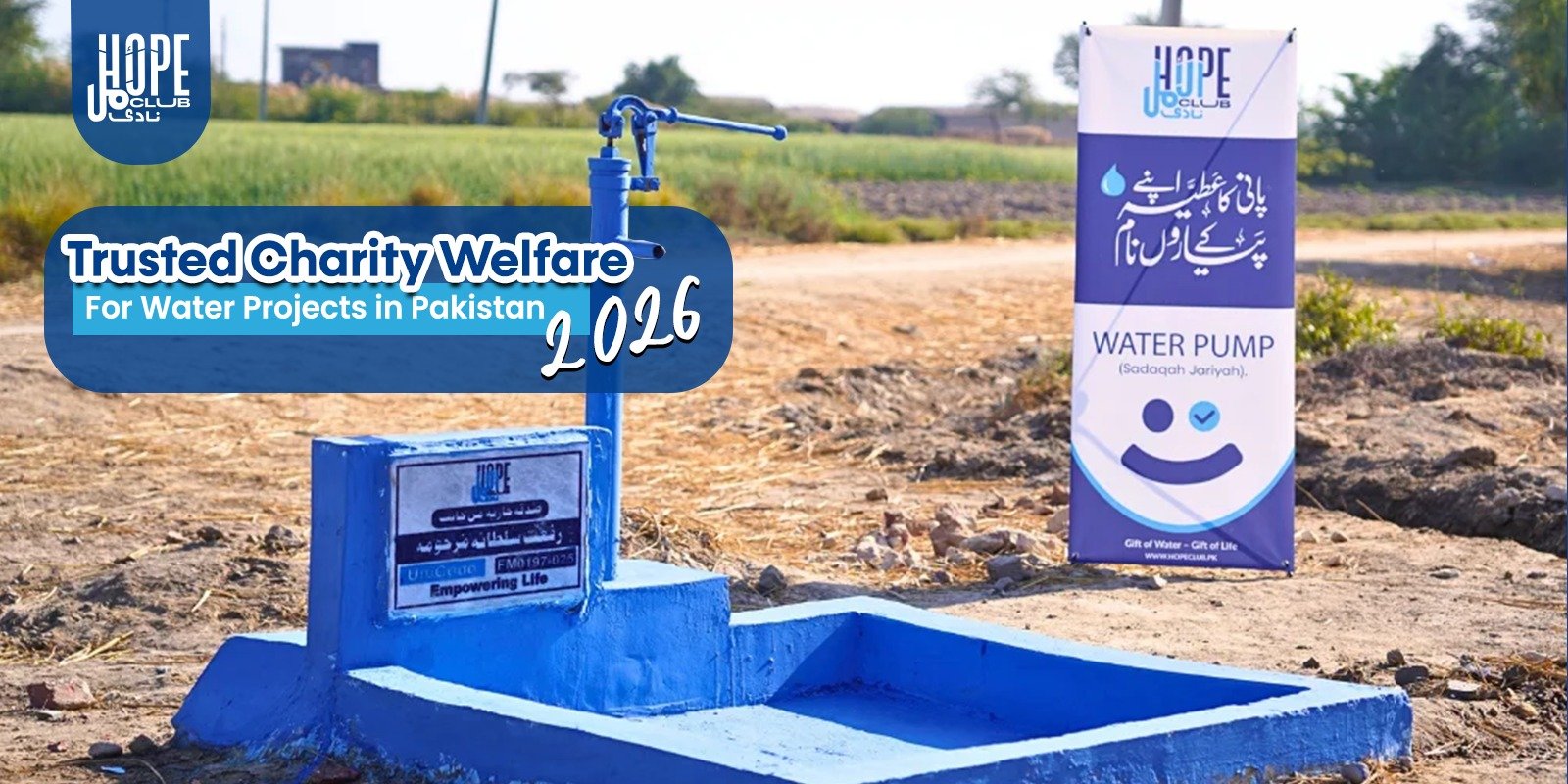
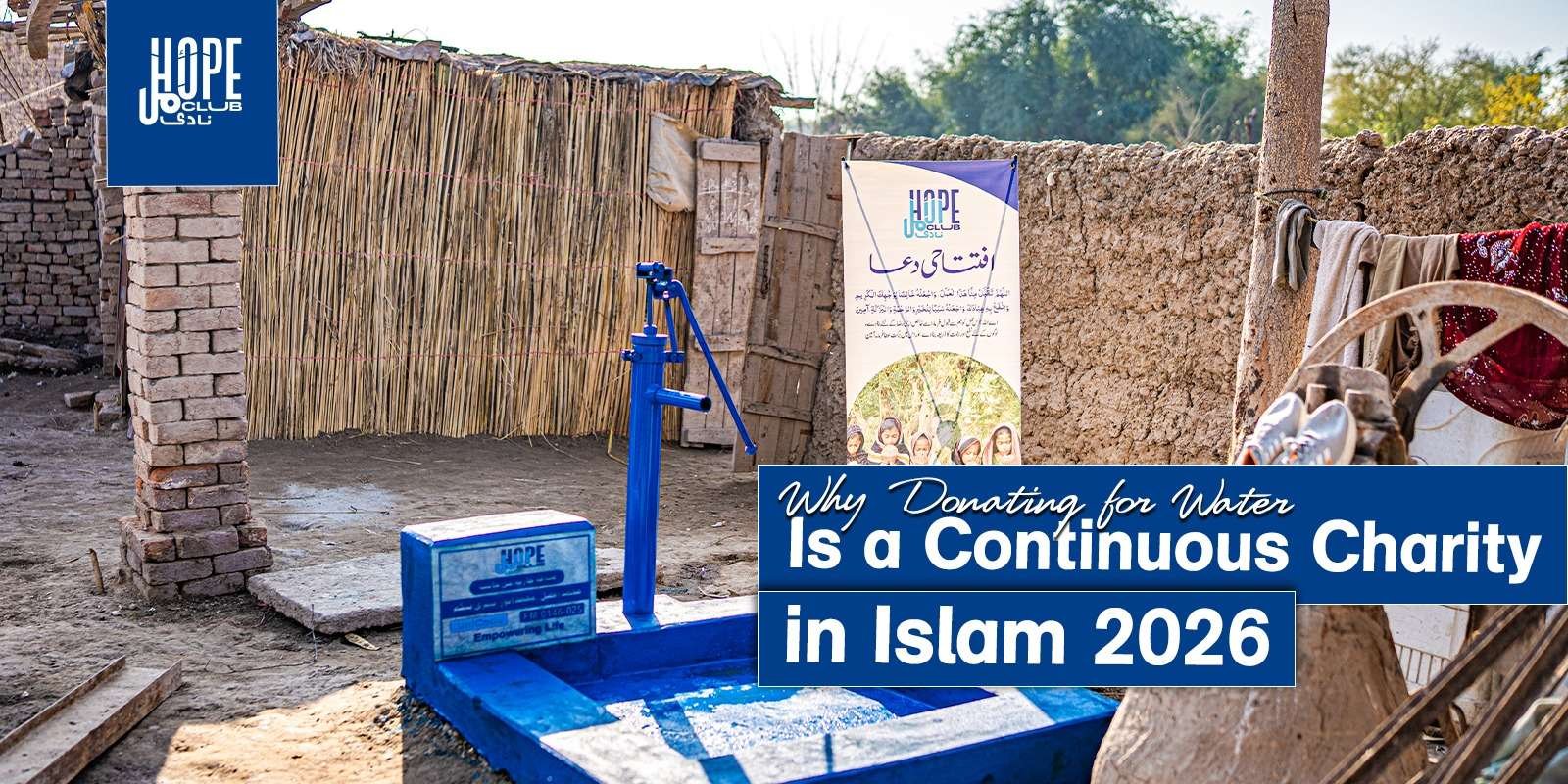
In many regions, hand pumps and community water tanks are practical alternatives to deep wells. These systems provide reliable access to clean water for households, schools, and mosques. They are especially useful in areas where digging wells is difficult. Like wells, they serve people repeatedly and qualify as an ongoing charity.
- Solar and Sustainable Water Systems
Modern technology has introduced solar-powered pumps and sustainable water systems. These solutions provide water efficiently while protecting natural resources. By using renewable energy, they reduce long-term costs and environmental harm. Sustainable systems align with Islamic values of stewardship and responsible use of resources.
- Maintenance and Longevity as Islamic Responsibility
For a water charity to remain Ṣadaqah Jāriyah, it must continue functioning. Islam emphasizes responsibility and trust, which includes maintaining charitable projects. A neglected water source loses its benefit. Ensuring durability and proper upkeep preserves both the impact and the reward.
- What Qualifies as True Ṣadaqah Jāriyah
Any water project qualifies as Ṣadaqah Jāriyah if it provides ongoing, real benefit. The focus is not on size or appearance, but on continuity and usefulness. As long as people continue to benefit, the charity remains a source of lasting reward.
Ethics of Water Charity in Islam
- Transparency and Trust
Islam places great importance on honesty and trust in charitable work. Donors have the right to know how their charity is used, and those managing water projects must act responsibly and truthfully. Transparency protects sincerity and ensures that charity truly benefits those in need.
- Sustainability and Environmental Care
Water charity should protect the environment rather than harm it. Islam teaches stewardship (khilāfah) of the earth, including the wise use of resources. Sustainable water systems preserve natural balance and ensure long-term benefit.
- Respect for Local Communities
Ethical charity considers the needs, customs, and dignity of local communities. Water projects should serve real needs and involve community awareness. Respect ensures acceptance, care, and proper use of the water source.
- Avoiding Waste and Symbolic Gestures
Islam discourages waste and empty displays of charity. A water project should provide real, lasting benefit rather than symbolic or short-lived impact. Practical usefulness matters more than visibility.
- Importance of Informed, Ethical Giving
Islam encourages thoughtful and informed charity. Understanding how a water project works helps ensure it is effective and responsible. Ethical giving strengthens trust and maximizes long-term reward.
Water Charity and Social Justice in Islam
- Water as a Shared Right (Ḥaqq)
In Islam, water is not viewed as a luxury but as a shared right for all living beings. Access to water is considered a basic necessity that must not be unfairly restricted. Islam teaches that essential resources belong to the community and should be accessible to those in need, especially when survival depends on them.
- Justice (ʿAdl) and Mercy as Islamic Pillars
Justice and mercy are central pillars of Islamic ethics. Providing water restores balance in society by addressing inequality and preventing harm. Water charity reflects mercy toward the vulnerable and justice in meeting essential needs without discrimination.
- How Water Access Restores Dignity and Balance
Access to clean water protects health, reduces hardship, and preserves human dignity. It allows families to live safely and with independence. By easing daily struggles, water charity restores balance and stability within communities.
- Charity as Social Responsibility, Not Charity Alone
In Islam, water charity is more than a voluntary act of kindness. It is a social responsibility rooted in justice and compassion. Providing water fulfills a collective duty toward humanity and reflects Islam’s holistic approach to social welfare.

Common Misconceptions About Ṣadaqah Jāriyah
- “Only the Wealthy Can Give”
One common misconception is that only rich people can perform Ṣadaqah Jāriyah. Islam clearly rejects this idea. The value of charity is not measured by wealth but by sincerity and intention. Even small acts done consistently can become a continuous act of charity if they bring lasting benefit. Allah looks at the heart, not the amount.
(لَيْسَ عَلَيْكُمْ هُدَاهُمْ وَلَٰكِنَّ اللَّهَ يَهْدِي مَنْ يَشَاءُ ۗ وَمَا تُنْفِقُوا مِنْ خَيْرٍ فَلِأَنْفُسِكُمْ)
“You are not responsible for their guidance, but Allah guides whom He wills. And whatever good you spend is for yourselves.” Qur’an 2:272
- “Reward Stops at Death”
Many people believe that once a person dies, their chance to earn a reward ends. Islam corrects this belief through the teachings of the Prophet ﷺ, who explained that continuous charity continues to reward a person even after death. Ṣadaqah Jāriyah is proof that deeds can outlive a person and continue benefiting them in the Hereafter.
- “Bigger Donations Mean Bigger Reward”
Islam does not teach that larger donations automatically earn greater reward. The Qur’an and Sunnah emphasize sincerity, consistency, and usefulness over size. A small but sustainable act that benefits many people can carry more reward than a large one-time donation that ends quickly.
(مَثَلُ الَّذِينَ يُنْفِقُونَ أَمْوَالَهُمْ فِي سَبِيلِ اللَّهِ كَمَثَلِ حَبَّةٍ أَنبَتَتْ سَبْعَ سَنَابِلَ)
“The example of those who spend their wealth in the way of Allah is like a grain that grows seven ears.” Qur’an 2:261
- Clarification Using Qur’an and Sunnah
Both the Qur’an and Sunnah clarify that the true value of charity lies in intention, benefit, and continuity. Ṣadaqah Jāriyah is defined by its lasting impact, not by publicity or size. Any act that continues to help others qualifies, regardless of cost.
- Emphasis on Sincerity and Sustainability
Islam places strong emphasis on sincerity and sustainability in charity. A deed done purely for Allah and designed to last is more beloved than temporary or showy acts. Ṣadaqah Jāriyah succeeds when it combines pure intention with long-term benefit, ensuring reward continues in both this world and the Hereafter.
Building an Everlasting Legacy Through Water Charity
- Difference Between Worldly and Spiritual Legacy
A worldly legacy is often measured by wealth, status, or recognition, but it fades with time. A spiritual legacy, however, continues beyond a person’s life through good deeds that benefit others. Islam encourages believers to focus on actions whose reward lasts in the Hereafter. Water charity creates a legacy that remains meaningful even after a person has passed away.
- Charity as Silent Daʿwah
Water charity serves as a silent daʿwah through action rather than words. Providing clean water reflects Islamic values of mercy, justice, and care for humanity. Without preaching, it shows the beauty of Islam by meeting essential human needs. This quiet form of daʿwah leaves a deep and lasting impression.
- Teaching Future Generations Through Action
When children see acts of ongoing charity, they learn generosity through example. Water projects teach future generations the importance of service and responsibility. Such actions instill values that words alone cannot teach. Charity becomes a lesson passed down through practice.
- Deeds That Outlive Wealth and Names
Wealth is spent, and names are forgotten, but beneficial deeds continue to speak. A water source may serve people long after its donor is remembered. As long as it benefits others, the reward continues. This makes charity more lasting than any material achievement.
- Hope, Forgiveness, and Mercy Through Giving
Water charity gives hope to people in need and mercy to the giver. It becomes a means of forgiveness and spiritual peace. Through sharing, a believer leaves behind light that continues to shine in this world and the next.
Conclusion
Ṣadaqah Jāriyah represents one of the most meaningful ways a believer can invest in the Hereafter. Islam emphasizes charity that creates lasting benefit, and water charity stands out as the strongest example of continuous reward.
Rooted in the Qur’an and Sunnah, providing water supports life, worship, dignity, and justice. When done with sincere intention and ethical responsibility, it becomes a legacy that continues long after death.
Organizations like Hope Club are playing a positive role by focusing on sustainable water projects that genuinely serve communities in need. Their work reflects the true spirit of Ṣadaqah Jāriyah by prioritizing long-term benefit, transparency, and human dignity rather than short-term relief. Through such efforts, water charity becomes a living source of mercy that flows into both this world and the Hereafter.
FAQs
Q1. What is Ṣadaqah Jāriyah in Islam?
Ṣadaqah Jāriyah is a form of charity whose benefit continues over time. As long as people continue to benefit, the donor continues to receive the reward. It is especially valuable because its reward does not stop after death. Islam encourages believers to invest in such lasting deeds. Water charity is one of its clearest examples.
Q2. Why is water considered the best Ṣadaqah Jāriyah?
Water is essential for life, health, and worship. A single water source benefits people daily without repeated effort. Every sip, ablution, and hardship becomes an ongoing reward. This continuous benefit makes water charity highly valued. The Prophet ﷺ specifically identified giving water as the best charity.
Q3. Does the reward of Ṣadaqah Jāriyah continue after death?
Yes, the reward of Ṣadaqah Jāriyah continues after death. An authentic hadith of the Prophet confirms this ﷺ. As long as the charity benefits others, the reward remains written. This makes it a powerful investment in the Hereafter. Water charity perfectly fulfills this principle.
Q4. Can a water charity be donated to on behalf of the deceased?
Yes, Islam permits donating charity on behalf of deceased parents or loved ones. The Prophet ﷺ approved water charity for the deceased. Scholars agree that reward reaches the deceased by Allah’s will. This act reflects mercy and continued care. Water charity is especially recommended for this purpose.
Q5. Is intention important in Ṣadaqah Jāriyah?
Intention is central to every act of worship in Islam. A sincere intention multiplies reward and ensures acceptance. Charity done for Allah alone carries lasting benefit. Showing off reduces spiritual value. Pure intention transforms charity into enduring worship.
Q6. Does the size of the donation affect the reward?
Islam does not judge charity by size alone. Sincerity, usefulness, and continuity matter more. A small but lasting charity may bring greater reward than a large one-time donation. Allah rewards based on intention and impact. Sustainability is key in Ṣadaqah Jāriyah.
Q7. What makes a water project true Ṣadaqah Jāriyah?
A water project qualifies as Ṣadaqah Jāriyah if it provides ongoing benefit. Continuity and usefulness are essential. Proper maintenance ensures lasting reward. The focus is on real need, not appearance. As long as people benefit, the reward continues.
Q8. Is providing water a social responsibility in Islam?
Yes, Islam views access to water as a shared right. Essential resources should not be monopolized. Providing water restores justice and dignity. It reflects mercy and responsibility toward humanity. Water charity is both a worship and a social duty.
Q9. Does water charity help with the forgiveness of sins?
Acts of mercy, including giving water, are linked to forgiveness in Islam. Authentic hadith show Allah forgiving sins for relieving thirst. When done sincerely, water charity becomes a means of mercy. It benefits both giver and recipient. Allah’s forgiveness is vast.
Q10. Why is water charity considered a lasting legacy?
Water charity outlives wealth, names, and recognition. It continues serving people for years or generations. Each benefit renews the donor’s reward. This creates a spiritual legacy, not just a worldly one. It is one of the most enduring deeds in Islam.