Life Without Reliable Water in Rural Pakistan
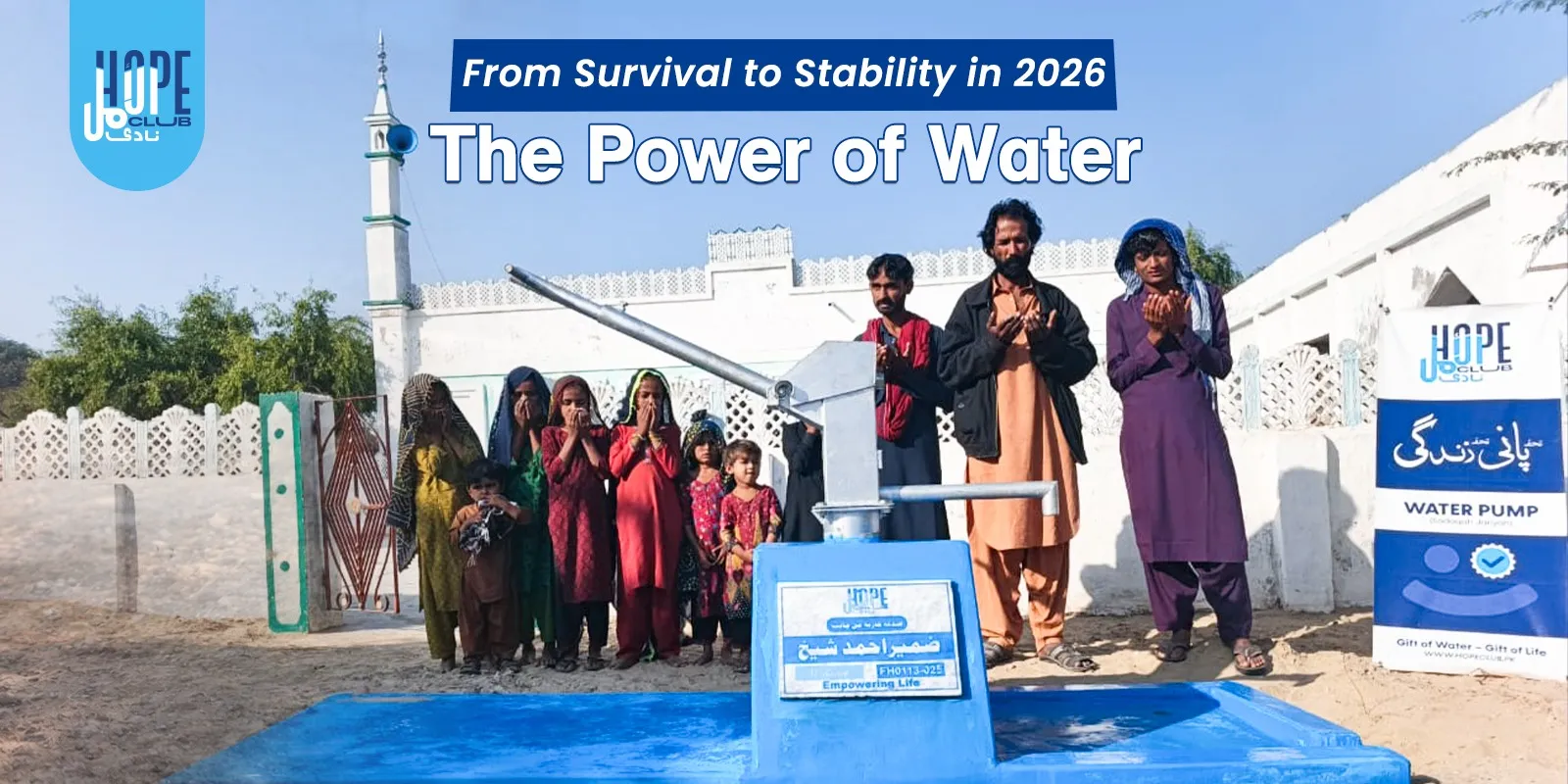
In many rural parts of Pakistan, clean water is not easily available. Families often live far from safe water sources and must walk long distances every day to collect water for drinking, cooking, and washing.
Water collection becomes a daily routine that consumes time, energy, and health. Adults carry heavy containers for kilometers, while children frequently miss school to help their families. The water they collect usually comes from unsafe sources such as open ponds, canals, or shallow wells that are exposed to animal waste, sewage, and agricultural runoff.
This lack of safe water shapes how communities live, work, and plan for the future.
Unsafe Water and Daily Health Risks
Unsafe water does not always cause immediate illness. Instead, it slowly damages health over time, especially in children and older adults. When families rely on contaminated ponds, canals, or shallow wells, they are exposed to bacteria, parasites, and harmful chemicals every day.
Common health consequences include:
- Repeated stomach infections that weaken the body
- Diarrhea and dehydration are especially dangerous for children
- Poor nutrient absorption, leading to slow growth
- Weakened immunity that increases illness risk
Many children in rural areas suffer from chronic weakness because their bodies cannot properly absorb nutrients from food. Frequent illness also forces parents to spend money on medicines and clinic visits instead of school supplies, nutritious food, or household needs. Over time, poor health becomes a barrier to education, work, and long-term stability.

Time Loss and Missed Opportunities
Collecting water is not a quick task in most rural communities. Families often walk long distances several times a day just to meet basic needs. This daily responsibility consumes hours that could otherwise be used for learning, earning, or resting.
Daily losses include:
- Children missing school or arriving tired and unfocused
- Adults are losing valuable work hours
- Women are facing physical strain from carrying heavy containers
- Little time for rest, personal care, or family activities
For many girls, water collection becomes a lifelong duty that limits their education and future opportunities. Over time, this constant time burden keeps families stuck in survival mode instead of allowing them to improve their living conditions.
How Water Scarcity Sustains Poverty
Lack of clean water does more than create daily hardship. It reinforces poverty across generations. When families spend most of their time and income dealing with water-related problems, they have fewer resources to invest in education, skills, and small businesses.
- Children fall behind in school due to illness and absences
- Poor health reduces long-term earning potential
- Families depend on short-term aid instead of building independence
- Entire communities struggle to grow economically
Without a permanent water source, villages remain trapped in a cycle of low productivity, poor health, and limited opportunity. A reliable water pump helps break this cycle by giving families the foundation they need to improve their future.
Why Long-Term Water Solutions Matter
Temporary water assistance may help during emergencies, but it does not change daily life. Rural communities need reliable, nearby, and safe water sources to build stability.
This is why many families benefit when supporters contribute to community hand pump projects that provide long-lasting access to clean groundwater instead of short-term relief.
How a Water Pump Works
A water pump is a carefully designed system that brings clean underground water to the surface for daily use. It is not a simple machine, but a combination of engineering, geology, and community planning that ensures safe, reliable, and long-term access to water.
In rural areas where surface water is often polluted or seasonal, water pumps provide a controlled and protected way to access groundwater that remains available throughout the year.
Underground Water Sources
Beneath the earth are aquifers—natural water layers formed by rainwater slowly filtering through soil and rock over many years. This natural process acts like a filter, removing many harmful contaminants before the water reaches underground storage.
- Soil and rock layers remove dirt and bacteria
- Groundwater stays protected from open sewage and animal waste
- Water remains available even during dry seasons
Because aquifers are shielded from surface pollution, groundwater is usually safer than water from ponds, canals, or open wells.
Boreholes: Accessing Safe Water
To reach these underground water layers, a borehole is drilled to the appropriate depth based on local geology. This is a technical process that requires proper equipment and site assessment.
- Drilling continues until clean and stable groundwater is reached
- Strong casing lines the borehole to prevent soil collapse
- Sealing prevents dirty surface water from leaking inside
If a borehole is drilled incorrectly, water can become contaminated. Proper construction ensures long-term safety and water quality.
Bringing Water to the Surface
Once groundwater is accessed, pumps are used to lift the water to the surface so families can collect it easily.
Common pump types include:
- Manual hand pumps for small villages with low daily demand
- Solar-powered pumps for larger communities that need higher water volumes
Hand pumps use simple mechanical force, while solar pumps use sunlight to power electric systems. Each option is selected based on population size, water usage, and available resources.
Storage and Distribution
After water reaches the surface, it must be stored and distributed safely.
- Elevated storage tanks protect water from contamination
- Multiple access points prevent long waiting lines
- Nearby collection points reduce walking distances for families
Good storage and distribution systems ensure water remains clean from source to use.
Why Water Pumps Are Reliable
Water pumps are more dependable than open water sources because they are protected, controlled, and designed for long-term use. In rural Pakistan, where rivers and canals often dry up, become polluted, or remain far from homes, reliability means families can access safe water every single day without uncertainty.
Year-Round Water Availability
Unlike surface water sources that depend on rainfall or seasonal flow, water pumps draw from underground aquifers. These water reserves remain stable even during droughts and hot summer months.
- Families do not face water shortages in dry seasons
- Villages avoid emergency water crises
- Daily routines remain uninterrupted
This consistency allows communities to plan their lives without fear of running out of water.
Reduced Risk of Contamination
Open water sources are exposed to animal waste, sewage, agricultural chemicals, and trash. In contrast, water pumps access naturally filtered groundwater through sealed boreholes.
- Soil and rock layers remove many harmful pollutants
- Borehole casing prevents surface water from entering
- Water remains protected from daily contamination
Cleaner water leads to fewer illnesses, lower medical expenses, and healthier families.
Shorter Walking Distances
Before a water pump is installed, families, especially women and children,n often walk several kilometers each day to collect water.
With a nearby pump:
- Water collection becomes faster and easier
- Physical strain is reduced
- Girls have more time for school
This change improves safety, education, and overall quality of life.
Consistent Daily Supply for Community Needs
Water pumps are designed to serve entire communities, not just individual households. They provide enough water for:
- Drinking and cooking
- Hygiene and sanitation
- Schools and clinics
- Small farms and livestock
Because water is available when needed, communities can function normally instead of living in survival mode.
The Bigger Impact of Reliability
When water access becomes stable and safe, families can focus on:
- Education
- Health
- Income generation
- Long-term planning
This reliability is what makes water pumps one of the most dependable rural water solutions.
Lifespan of a Water Pump
Unlike temporary water aid such as tankers or bottled water, a properly built water pump is long-term infrastructure. With the right construction, correct placement, and basic care, a single pump can serve a community for decades. This makes water pumps one of the most reliable and cost-effective solutions for rural Pakistan.
How Long Does a Water Pump Last?
Most water pumps remain functional for 10 to 25 years or more, depending on several key factors:
- Borehole depth: Deeper wells reach stable water layers that are less affected by seasonal changes, which reduces the risk of drying out.
- Material quality: Strong casing, rust-resistant parts, and durable fittings reduce mechanical failures.
- Usage levels: When water use is shared fairly across the community, the system avoids excessive strain.
- Maintenance: Small repairs and regular checks prevent minor issues from becoming major breakdowns.
In many villages, water pumps continue working for 20+ years with simple care, providing uninterrupted access to clean water for entire generations.
Why Maintenance Matters
Water pump maintenance is not complicated and does not require advanced technical skills. Most routine care can be handled locally by community members.
Typical upkeep includes:
- Cleaning the area around the pump to prevent contamination
- Checking for leaks or loose parts
- Basic servicing when required
These small actions protect the system, improve water safety, and significantly extend the pump’s lifespan.
Communities that receive guidance and support through structured water support initiatives are more likely to keep their water systems functioning safely for many years.
The Role of Community Ownership
When villagers feel responsible for their water source, they actively protect it.
- Problems are reported early
- Damage is prevented
- Repairs happen faster
This sense of ownership turns a water pump into a lasting community asset rather than a short-term project. Strong community involvement ensures the pump remains reliable long after installation.
Why Long Lifespan Matters
A water pump that lasts for decades provides:
- Continuous clean water access
- Long-term health improvements
- Educational stability for children
- Reduced dependence on emergency aid
This long service life makes water pumps one of the most sustainable water solutions for rural Pakistan.
How Many People Benefit from One Pump
A single water pump can support 200 to 1,000+ people, depending on population size, daily usage, and system capacity.
It often serves:
- Multiple households
- Schools and clinics
- Small farms and livestock
Daily uses include drinking, cooking, hygiene, cleaning, and irrigation. Because water is available nearby, families save time and energy while improving overall living conditions.
Why Rural Villages Need Water Pumps
Most rural areas lack basic water infrastructure, such as:
- Water pipelines
- Treatment plants
- Reliable electricity
As a result, families rely on unsafe water sources that increase health risks. Water pumps provide a safe, local solution without the need for large-scale infrastructure. They are practical, affordable, and suitable for remote village environments.
Solar-Powered Water Systems
Solar pumps act as advanced water pumps for large villages where electricity access is limited.
Key components:
- Deep boreholes for clean groundwater
- Solar panels to power the system
- Storage tanks for continuous supply
- Distribution points for community use
Benefits:
- 15–25 year lifespan
- Low maintenance needs
- No fuel or electricity costs
- Reliable year-round supply
These systems support schools, agriculture, and entire communities by providing a stable water source without dependence on the power grid.
Hand Pumps for Small Communities
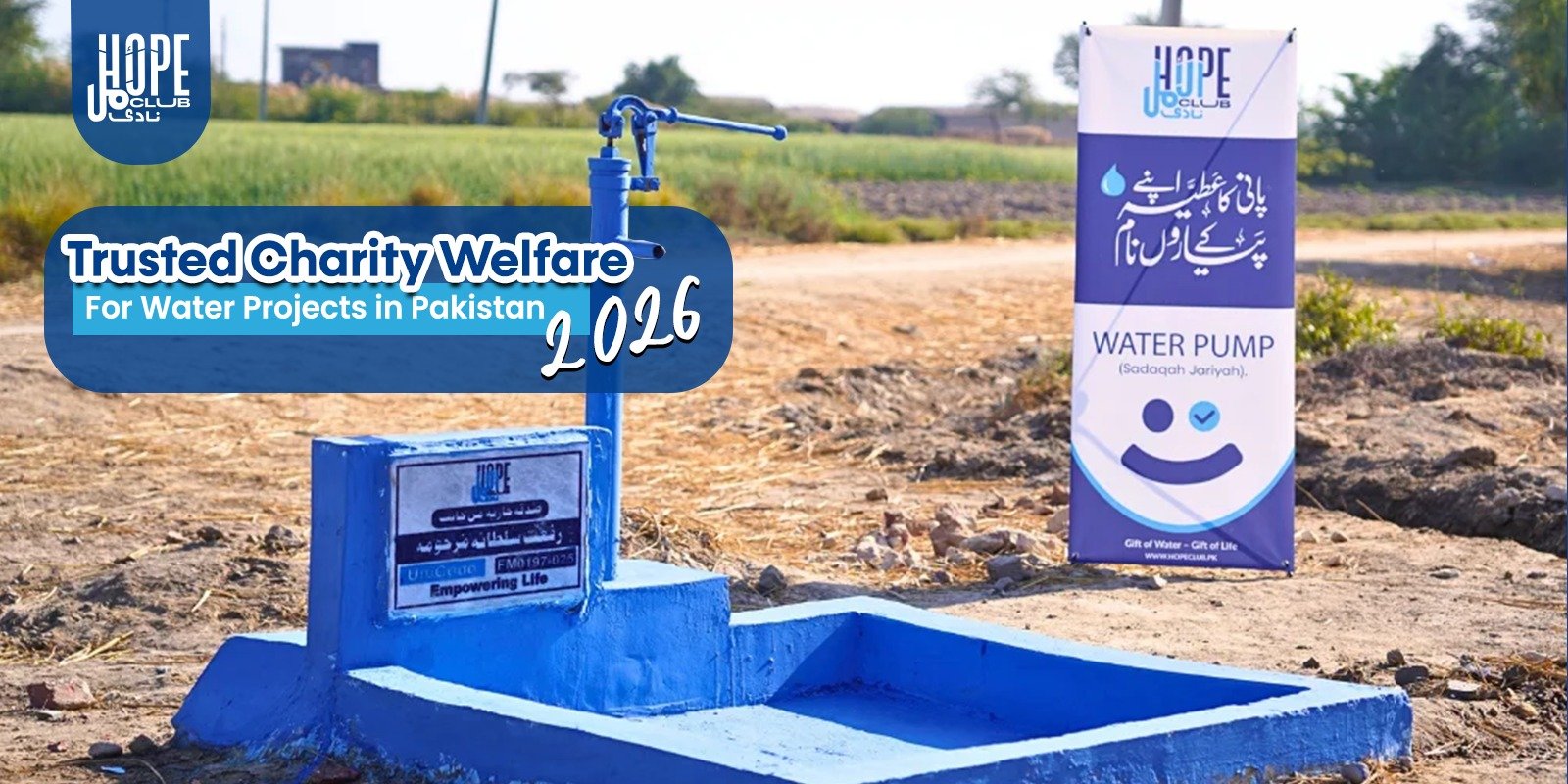
Hand pumps are ideal for villages with limited resources and smaller populations.
Why they work:
- No electricity needed
- Simple mechanical design
- Easy local repairs
- Access to protected groundwater
Lifespan: 10–15 years
They quickly reduce water collection time, improve hygiene, and make daily life easier for families.
People who want to support this type of solution can help fund hand pump installations in rural areas to bring clean water closer to village homes.
Choosing the Right Water Project
Key factors:
- Population size
- Electricity access
- Groundwater depth
- Maintenance capacity
Large villages: Solar systems
Small villages: Hand pumps
Selecting the right solution ensures long-term success.
Those who want to support verified water initiatives can explore ongoing water donation programs that focus on sustainable, community-based solutions.
Conclusion
Donating a water pump is a long-term investment in people and communities across Pakistan. It provides clean water, improves health, supports education, and strengthens local livelihoods.
Unlike short-term aid, a water pump serves families for decades, quietly transforming lives with every drop.
FAQs
Q1. What does it mean to donate a water pump?
It means funding a permanent water source for a community rather than short-term water aid. A properly installed pump provides daily access to clean groundwater for many years. This supports health, education, and local livelihoods.
Q2. How does a water pump provide clean water?
Water pumps draw water from underground aquifers that are naturally filtered by soil and rock layers. Boreholes are sealed to prevent surface contamination. This makes the water safer than open ponds or canals.
Q3. How long does a water pump last?
Most water pumps last between 10 and 25 years or more with proper construction and basic maintenance. Deeper boreholes, strong materials, and regular checks help extend their lifespan.
Q4. How many people can one pump support?
A single community pump can serve around 200 to 1,000+ people. It often supplies households, schools, clinics, and small farms. This makes it a highly cost-effective solution.
Q5. Why are pumps important for villages?
Rural villages often lack pipelines, treatment plants, and reliable electricity. Water pumps provide a safe, local water source without major infrastructure. This reduces health risks and daily hardship.
Q6. Hand pump vs solar pump?
Hand pumps are simple, low-cost systems for small villages with limited demand. Solar pumps use renewable energy to serve larger populations with higher water needs. Both provide reliable access to clean water.
Q7. How does a pump improve health?
Clean groundwater reduces waterborne diseases like diarrhea and stomach infections. Families can practice better hygiene and sanitation. This leads to healthier children and lower medical expenses.
Q8. Impact on education?
Children spend less time collecting water and more time in school. Fewer illnesses mean better attendance and concentration. Schools with water access also maintain cleaner environments.
Q9. Why is maintenance important?
Regular maintenance prevents small problems from becoming major failures. Simple tasks like cleaning and checking parts keep the pump working safely. This protects the community’s long-term water access.
Q10. Why choose structured donation programs?
Structured programs ensure proper site assessment, correct installation, and long-term monitoring. This increases the pump’s lifespan and reliability. Communities receive sustainable water solutions instead of temporary fixes.