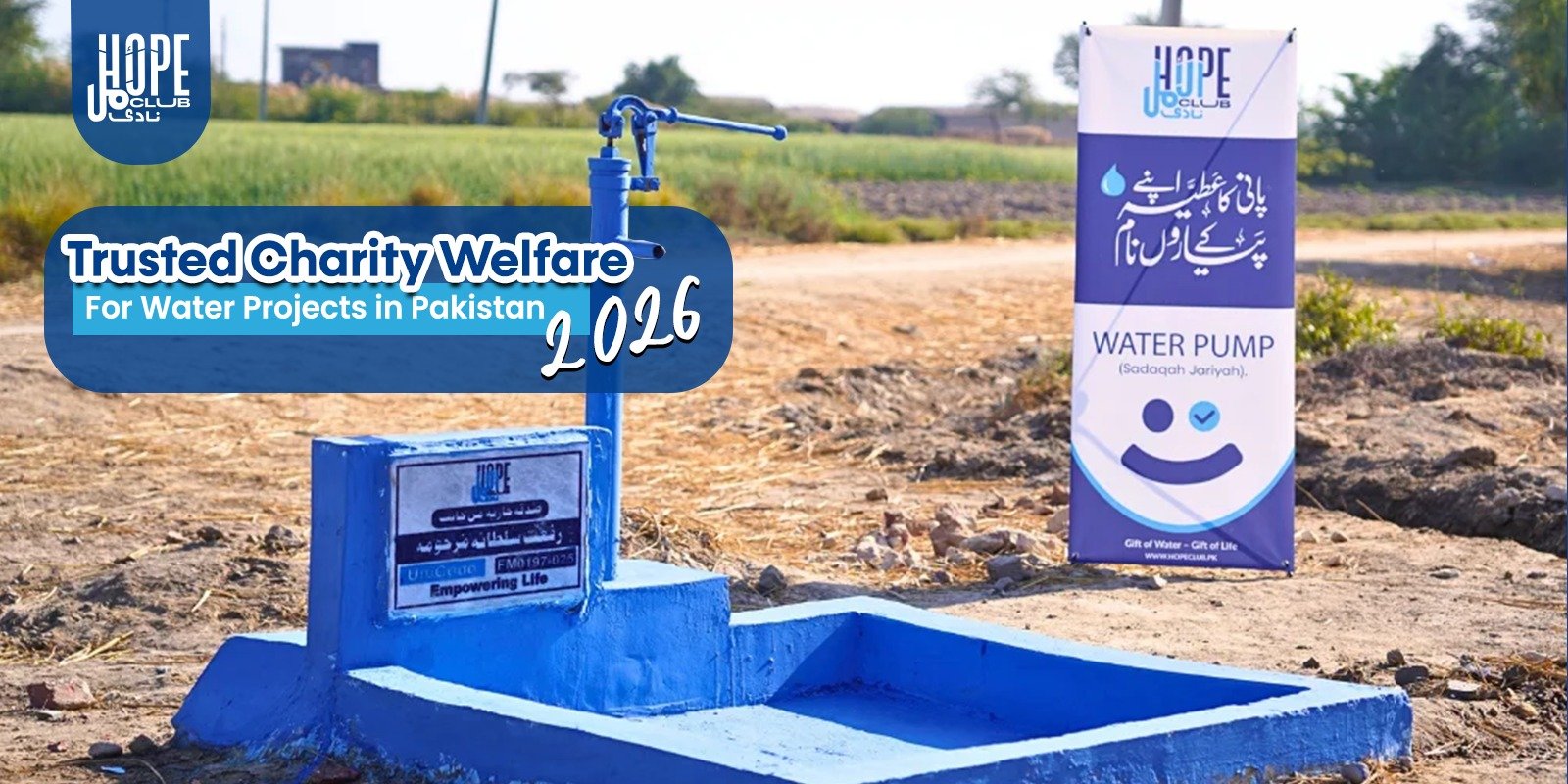
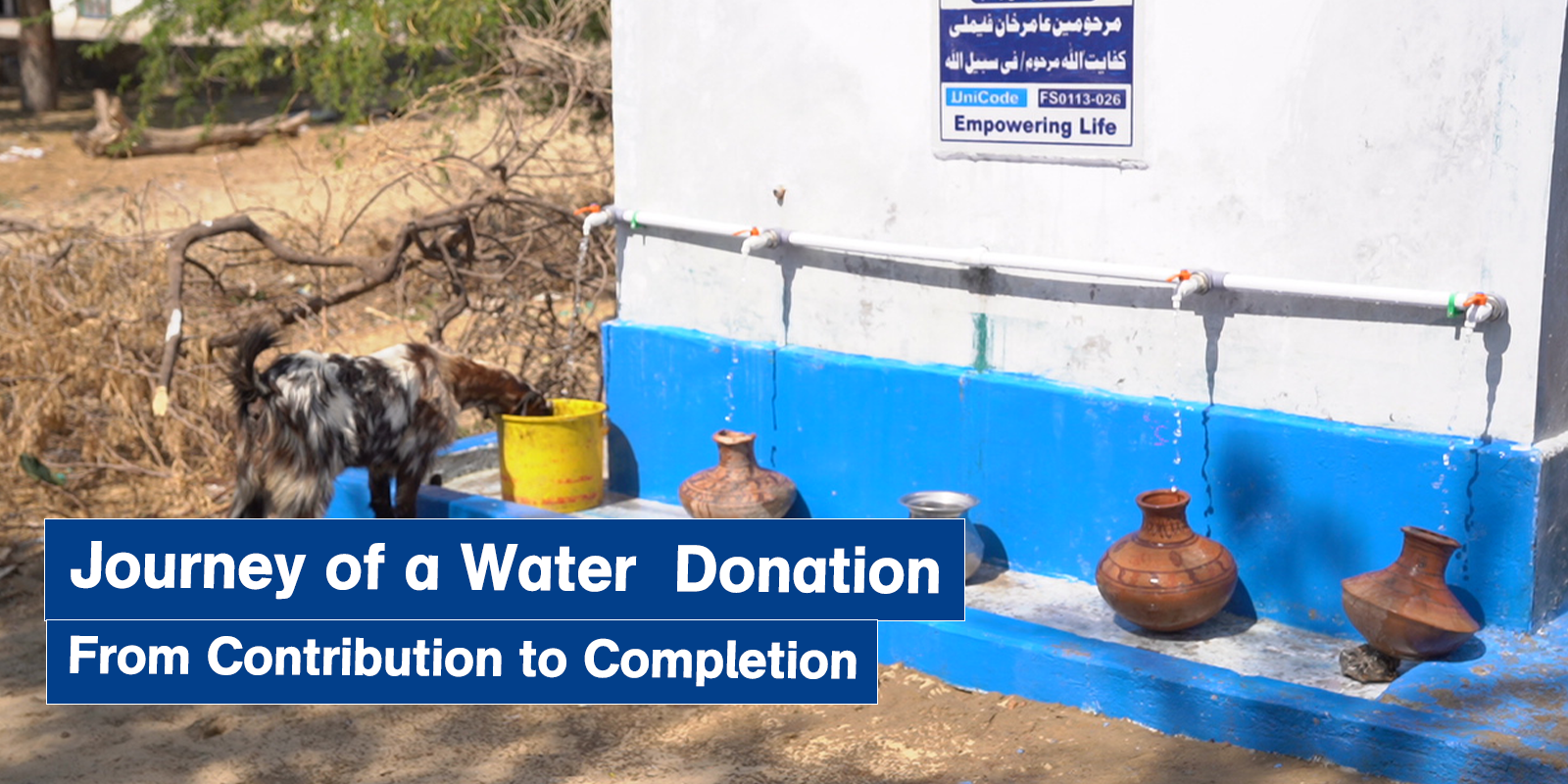
A donor sits at home, opens a website, and completes a water donation within minutes. The action feels simple. Yet, weeks later, somewhere in a rural village, a family gathers around a newly installed pump and fills their containers with clean, safe water. What began as a digital contribution has now become a physical change in daily life.
Every water donation begins as a simple act of giving, but the journey from contribution to completion is far more structured than most people realize. Behind that moment of generosity lies planning, coordination, engineering, and community involvement designed to ensure the project works not only today but for years ahead.
Organizations that focus on water infrastructure build systems to guide donations through clearly defined stages. Platforms such as Hope Club organize projects so contributors can see how support moves from intention to implementation. This clarity helps donors feel confident that their participation is part of a real, accountable process.
From Click to Community
The path from donor to beneficiary is rarely random. It follows procedures that match funding to verified needs, support technical planning, and coordinate locally. What appears effortless on the screen represents months of preparation and partnership on the ground.
This is the complete water donation journey, step by step.
The 4 Stages of How Your Donation Works
In the next sections, we will break down the process into four clear phases. Understanding each stage helps reveal how a contribution transforms into a functioning water system that supports an entire community.
Stage 1: Choose What Matters
Before construction begins, the journey starts with a choice. Donors explore the types of water solutions available and select the initiative that aligns with their understanding of need, urgency, and long-term impact.
Structured platforms make this step easier by presenting clearly defined categories rather than broad appeals. Instead of wondering how funds will be used, contributors can match their support with a specific outcome.
Common project options include:
- Hand pumps for rural villages
- Solar-powered systems for off-grid areas
- Storage tanks in conflict zones
- Emergency distribution during natural disasters
Each category responds to different circumstances, but all aim to restore safe access.
Matching Donation to Solution
Some donors prefer infrastructure that will operate for many years, while others focus on urgent response during a crisis. Providing distinct project types allows individuals to make informed decisions about how their assistance will function.
A Decision With Long-Term Meaning
By selecting a defined project, donors take the first step in transforming generosity into infrastructure. Clear options provide transparency from the beginning and prepare the path for everything that follows.
Stage 2: Make a Secure Donation
Once a project is selected, the next step is straightforward but essential. A secure contribution confirms the donor’s intention and activates the process that moves funding toward implementation. Digital platforms are designed to make this stage smooth while maintaining clarity about where support is directed.
Security and transparency work together. Donors should feel confident that their payment is protected and that the chosen project category will guide allocation.
How the Process Is Structured
Organized systems typically follow a model in which each project type is connected to a planning pipeline. When the donation is completed, it becomes part of a schedule that supports verified needs and logistical preparation.
This structure ensures:
- Funds are aligned with defined installations
- Priorities are matched with urgency
- Implementation teams can plan efficiently
Rather than disappearing into uncertainty, the contribution enters an operational framework.
Why Confidence Matters
Many donors want reassurance at this moment. Knowing that their support is moving through a transparent channel helps transform hesitation into trust. Clear categorization and professional handling provide that reassurance.
Giving through Hope Club is designed to be transparent and secure, allowing supporters to follow how project definitions connect to real outcomes.
From Transaction to Action
Although the online process may take only minutes, it triggers months of preparation on the ground. Field teams, engineers, and community leaders begin coordinating to ensure the selected initiative can be delivered effectively.
Once the donation is confirmed, the real fieldwork begins.
Stage 3: Planning and Building the Water Project
After a donation is processed, attention shifts from digital confirmation to physical preparation. This stage involves assessment, technical planning, and coordination with the community where the system will be installed. It is often the longest and most complex part of the journey.
While donors may not see this activity directly, it determines whether the project will function reliably in the future.
3.1 Site Assessment
Before equipment arrives, specialists identify where the need is greatest and whether installation is feasible. Local geography, groundwater conditions, and community access points must be evaluated carefully.
Site assessment typically includes:
- Identifying the beneficiary community
- Studying potential water sources
- Reviewing environmental safety
- Confirming practical access for construction
Proper evaluation prevents costly errors later.
3.2 Project Planning
Once the site is approved, engineers and coordinators design the installation. Depth calculations, equipment selection, and logistics are arranged to match local conditions.
Planning can involve:
- Determining bore depth
- Securing necessary materials
- Coordinating transport
- Scheduling technical teams
3.3 Installation
With preparation complete, construction begins. Depending on the project type, drilling may be required, pumps are assembled, and safety measures are put in place.
Installation often includes:
- Bore drilling where necessary
- Setting mechanical components
- Testing flow and water quality
- Training residents on safe usage
At this moment, anticipation builds within the community.
The First Flow of Water
When water begins to run, it represents more than technical success. Children gather, containers fill, and a new routine starts to replace the old one. The transition from uncertainty to reliability becomes visible.
This moment is the bridge between donor intention and beneficiary reality.
Stage 4: Receive Proof and Updates
After installation, transparency becomes the focus. Donors want confirmation that the project they supported is now operational. Structured reporting closes the loop between contribution and outcome, turning trust into certainty.
Professional organizations understand that visibility is essential.
How Completion Is Documented
Once the system is functioning, information is gathered to verify delivery. Documentation provides reassurance that resources have reached the intended community.
Common forms of confirmation include:
- Evidence of installation
- Visual records
- Communication of project status
- Notification that the water source is active
These steps make the process understandable to supporters.
Why Updates Matter
Receiving information after completion strengthens long-term relationships. Donors who see results are more likely to stay involved and support future initiatives. Updates transform a one-time interaction into ongoing engagement.
Transparency encourages confidence.
Hope Club’s Approach to Visibility
Hope Club presents water initiatives through defined project categories, making it easier to connect a contribution to a specific type of outcome. By structuring donations around clear installations, the organization supports project-level understanding rather than general expectation.
From Completion to Continuity
Proof of installation is not the end. It is the beginning of a new phase in which communities adapt to consistent access, and daily routines begin to change.
Beyond Completion: Creating Lasting Impact
When installation is finished, and water begins to flow, transformation truly begins. A functioning system quickly becomes part of daily life, influencing routines, opportunities, and prospects.
Giving through Hope Club is impactful, transparent, and rewarding because the project does not end at construction. It becomes a resource that communities rely on every day.
For families who previously struggled to find a safe supply, the change can feel immediate.
How Clean Water Changes Daily Reality
Reliable access affects far more than thirst. It reshapes how time is spent, how health is protected, and how children grow.
Communities often experience:
- Reduced exposure to contaminated sources
- More predictable household routines
- Improved hygiene conditions
These changes accumulate rapidly.
- Health Improvements
With safer water, the risk of waterborne disease declines. Families face fewer medical emergencies and can invest their energy elsewhere.
Healthier populations support stronger schools, farms, and local economies.
- More Time for Education
Children who once walked long distances for water can remain in classrooms. Better attendance helps improve literacy and future opportunities.
Education becomes more stable when the supply is nearby.
- Stronger Community Resilience
When access is reliable, communities can plan for growth rather than crisis. Agriculture, small businesses, and local initiatives become more feasible.
Water reliability strengthens independence.
- A Lifeline for Those in Need
Your donation becomes a lifeline for millions who still struggle to access clean drinking water. What started as a digital contribution becomes a permanent improvement in how families live and work.
- The Long-Term Phase: What Happens After Installation
A successful water project journey does not end when the pump is installed or the tank is filled. True sustainability begins once communities start using the system daily. Long-term success depends on how well residents integrate the resource into their routines and take responsibility for its protection.
Infrastructure must continue working long after construction teams leave.
- Community Ownership
When residents feel that a water source belongs to them, they are more likely to safeguard it. Ownership reduces misuse and encourages cooperation in solving problems.
Communities often:
- Monitor usage
- Report issues quickly
- Protect equipment from damage
Participation supports durability.
- Routine Maintenance
Every mechanical system requires care. Parts may wear over time, and adjustments may be needed as usage increases. Planning for upkeep ensures that minor issues do not escalate into major disruptions.
Maintenance culture strengthens reliability.
- Local Responsibility
Training helps beneficiaries understand how to operate the system safely. Knowledge transfer ensures that the project remains functional even without constant external supervision.
Empowered users contribute to long-term stability.
- Monitoring Functionality
Regular observation helps confirm that water quality and flow remain consistent. Early identification of challenges allows for faster resolution and protects community trust.
Monitoring keeps systems active rather than abandoned.
Why Continuity Matters
Sustained usage transforms an installation into a permanent asset. Over time, predictable supply allows families to invest in education, health, and economic opportunity.
The journey of a water donation, therefore, extends far beyond the day of completion.
Emergency and Special Projects
While many water initiatives focus on long-term infrastructure, there are moments when an immediate response becomes essential. Conflict, displacement, or natural disasters can suddenly disrupt supply systems, leaving communities without safe drinking water.
In these situations, rapid intervention helps stabilize conditions until more permanent solutions can be implemented.
Why Emergency Support Matters
When pipelines fail or wells become contaminated, families may face urgent health risks. Quick distribution of stored or treated water can prevent outbreaks and provide temporary security.
Emergency assistance often:
- Protects vulnerable populations
- Reduces disease transmission
- Buys time for reconstruction
Speed becomes the priority.
Responding to Humanitarian Crises
Organizations with structured platforms can adapt to both long-term planning and sudden need. Dedicated emergency programs allow donors to direct support where it is most urgent.
By separating emergency response from infrastructure development, initiatives maintain clarity about purpose and expectations.
Balancing Urgency and Sustainability
Short-term relief and long-term construction are not opposites. They are complementary parts of a comprehensive strategy. Emergency aid stabilizes communities, while infrastructure restores independence.
Together, they strengthen resilience.
Why Structured Water Donations Matter
Not all contributions produce the same outcome. The difference often lies in how projects are organized. Structured donation systems define what is being built, who will benefit, and how delivery will occur. This clarity helps donors connect generosity with real-world results.
Without structure, intentions may remain difficult to measure.
One-Time Distribution vs Planned Infrastructure
General charity distribution can provide short bursts of relief, but it may not create durable change. Infrastructure projects are designed to function daily, supporting communities long after the initial event.
Planned systems focus on:
- Verified need
- Technical feasibility
- Long-term operation
- Community responsibility
This approach increases sustainability.
How Categorization Improves Transparency
When initiatives are grouped into specific types, supporters can easily understand their purpose. Clear categories allow donors to select interventions based on urgency, geography, or expected lifespan.
This organization reduces confusion and strengthens trust.
Hope Club’s Defined Water Categories
Hope Club structures its water initiatives through identifiable project formats, such as hand pumps, solar systems, storage tanks, and emergency relief. By presenting these options separately, the platform clarifies how each contribution supports a distinct type of installation.
Why Donors Appreciate Structure
Clarity allows individuals to give with confidence. Once they understand the model, they can follow the journey from funding to installation with confidence.
Structured giving builds long-term relationships.
Conclusion
At the beginning of this journey, a donor completed a water donation from the comfort of home. The action was quick, almost effortless. Yet behind that moment, weeks of assessment, planning, coordination, and construction unfolded. Eventually, a family in a distant community began collecting clean water from a reliable source that would serve them every day.
The donor may never meet the people who benefit, but the connection remains real.
From Contribution to Continuity
What makes this process powerful is not only installation but continuation. Water systems support healthier lives, more consistent education, and stronger economic opportunity. As long as the pump operates, the impact continues to multiply.
Infrastructure creates stability that can last for generations.
Why Understanding the Journey Matters
When donors see how projects move from digital platforms to physical results, confidence grows. Transparency about each stage helps transform curiosity into long-term commitment. Knowledge strengthens trust.
FAQs
1. What happens after I make a water donation?
Once a donation is completed, it enters a structured implementation process. Teams begin planning, verify locations, and prepare logistics. The project then moves toward installation based on priority and feasibility. The journey involves coordination between donors, engineers, and communities.
2. How do charities decide where to build water projects?
Organizations evaluate need, environmental conditions, and access to beneficiaries. Communities with limited safe supply are prioritized. Site visits and technical assessments help confirm suitability before construction begins.
3. How long does it take for a water project to be completed?
Timelines vary depending on geography and project type. Planning, equipment sourcing, and installation can take several weeks. Larger systems may require additional coordination. Structured scheduling helps maintain reliability.
4. Will I receive proof after my donation?
Most professional platforms provide documentation or updates once installation is finished. This can include confirmation of completion and evidence that the system is active. Transparency strengthens donor confidence.
5. Why is planning such a big part of the process?
Preparation ensures the project will function properly for years to come. Without correct depth, materials, and training, systems may fail. Planning protects both donor investment and community benefit.
6. What role does the local community play after installation?
Residents often take responsibility for daily care and protection of the equipment. Their involvement reduces damage and improves longevity. Community ownership supports sustainability.
7. Are emergency water projects handled differently?
Yes. During crises, speed becomes critical. Temporary storage or distribution may be prioritized until permanent infrastructure can be restored. Emergency support stabilizes immediate risk.
8. Why are structured donation platforms important?
They clearly define project types and expected outcomes. Donors can understand what their contribution will build. This reduces uncertainty and improves accountability.
9. Can one water project really impact many people?
Yes. A single installation may serve hundreds of residents daily. Improved access influences health, education, and economic activity. Over time, the effect multiplies.
10. Why do donors follow the journey from start to finish?
Understanding each stage helps them feel connected to the outcome. Visibility into planning, construction, and usage builds trust. Many supporters choose to remain involved because they see tangible results.