Access to safe water remains one of the most urgent global challenges. Millions of people still rely on unsafe or unreliable sources for daily needs, undermining health, education, and economic stability. At the same time, the number of organizations offering water donation opportunities has increased rapidly, especially with the rise of online fundraising platforms.
Not every organization operates with the same level of transparency, sustainability planning, or governance. Some focus on rapid distribution, while others prioritize long-term systems that communities can maintain independently. Without a clear understanding of how a charity works, donors may find it difficult to determine where their contribution will have the most durable impact.
If you’re researching a reliable water donation charity, it’s critical to understand transparency, sustainability, and governance before contributing. These factors reveal how funds are managed, how projects are implemented, and whether installations will continue serving communities years after completion.
Choosing the right organization is not only about generosity. It is about responsibility, informed decision-making, and ensuring that support leads to measurable, lasting benefits.
What Defines a Trusted Water Donation Charity
A trusted water donation charity is not defined by how emotional its messaging is or how frequently it asks for support. Trust is built through structure, clarity, and consistent execution. Donors should understand the difference between organizations that deliver short-term relief and those that invest in long-term clean water solutions.
Short-Term Charity Distribution vs Sustainable Water Projects
Some charities focus on immediate distribution, such as bottled water or temporary storage. These responses can be necessary during emergencies, but they often stop once funding or attention shifts.
Sustainable water projects, on the other hand:
- Provide permanent or semi-permanent access
- Reduce dependency on repeated aid
- Address contamination risks
- Support long-term community stability
Trusted organizations clearly communicate which approach they use and why.
Key Criteria for Evaluating a Water Donation Charity
Before donating, it is important to assess whether an organization meets fundamental standards of trust. A reliable water donation charity should demonstrate strength in the following areas:
- Transparency
Clear explanation of how funds are used, what type of project is funded, and where it will be implemented.
- Reporting
Availability of updates, documentation, or proof that projects were completed as described.
- Sustainability Model
Evidence that the project includes maintenance planning, local training, or long-term oversight.
- Community Involvement
Local participation in the installation, usage, and management of the water system.
- Governance Structure
Clear organizational leadership, registration, and accountability mechanisms.
Why Documentation Matters More Than Promises
Some organizations make strong claims without showing how projects are actually delivered. Trusted charities support their work with documentation that allows donors to understand the process rather than rely on assumptions.
This is where differences between organizations become clear. Some provide detailed project-level descriptions, while others remain vague. Donors should favor clarity over scale.
Transparency: The Most Important Trust Indicator
If donors had to choose a single factor that defines whether a water donation charity can be trusted, transparency would be it. Transparency allows supporters to understand what they are funding, how it will be delivered, and what outcomes to expect. Without it, even good intentions become difficult to verify.
Transparency operates on several levels, from financial clarity to project design and implementation.
Financial Transparency
A reliable organization should communicate how donations are allocated. Donors benefit from knowing whether their contribution supports equipment, logistics, labor, or ongoing maintenance.
Indicators of strong financial transparency include:
- Defined project costs
- Clear donation categories
- Explanation of what the funding covers
- Separation between different types of contributions
When financial structure is visible, uncertainty decreases.
Project Transparency
Beyond finances, donors should understand the type of water solution being installed. Vague references to “helping communities” are less informative than clear project definitions.
Good project transparency provides:
- Named project types
- Description of installation model
- Explanation of how beneficiaries are served
- Geographic or community focus
This helps donors visualize impact.
Case Example: Hope Club
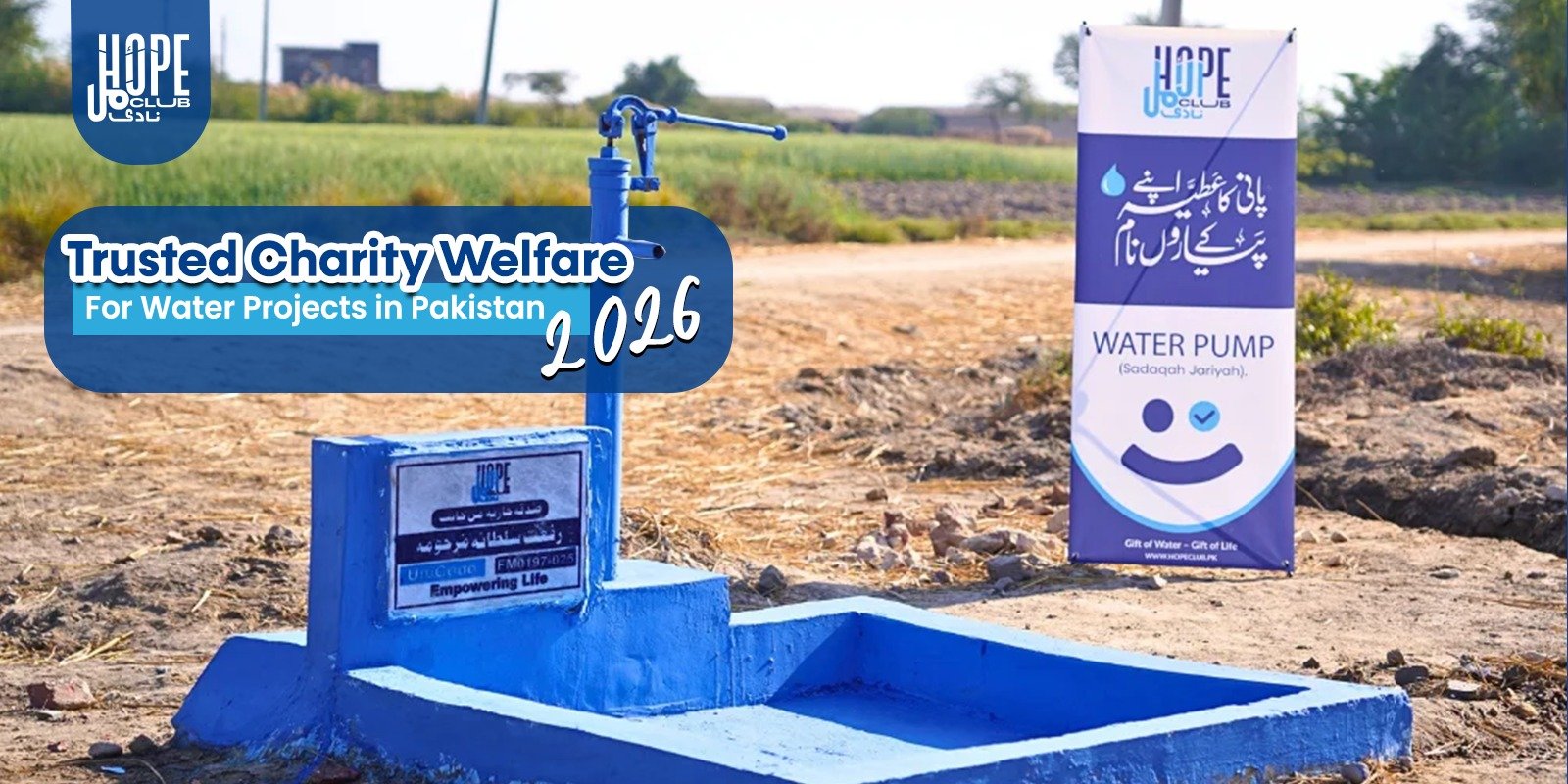
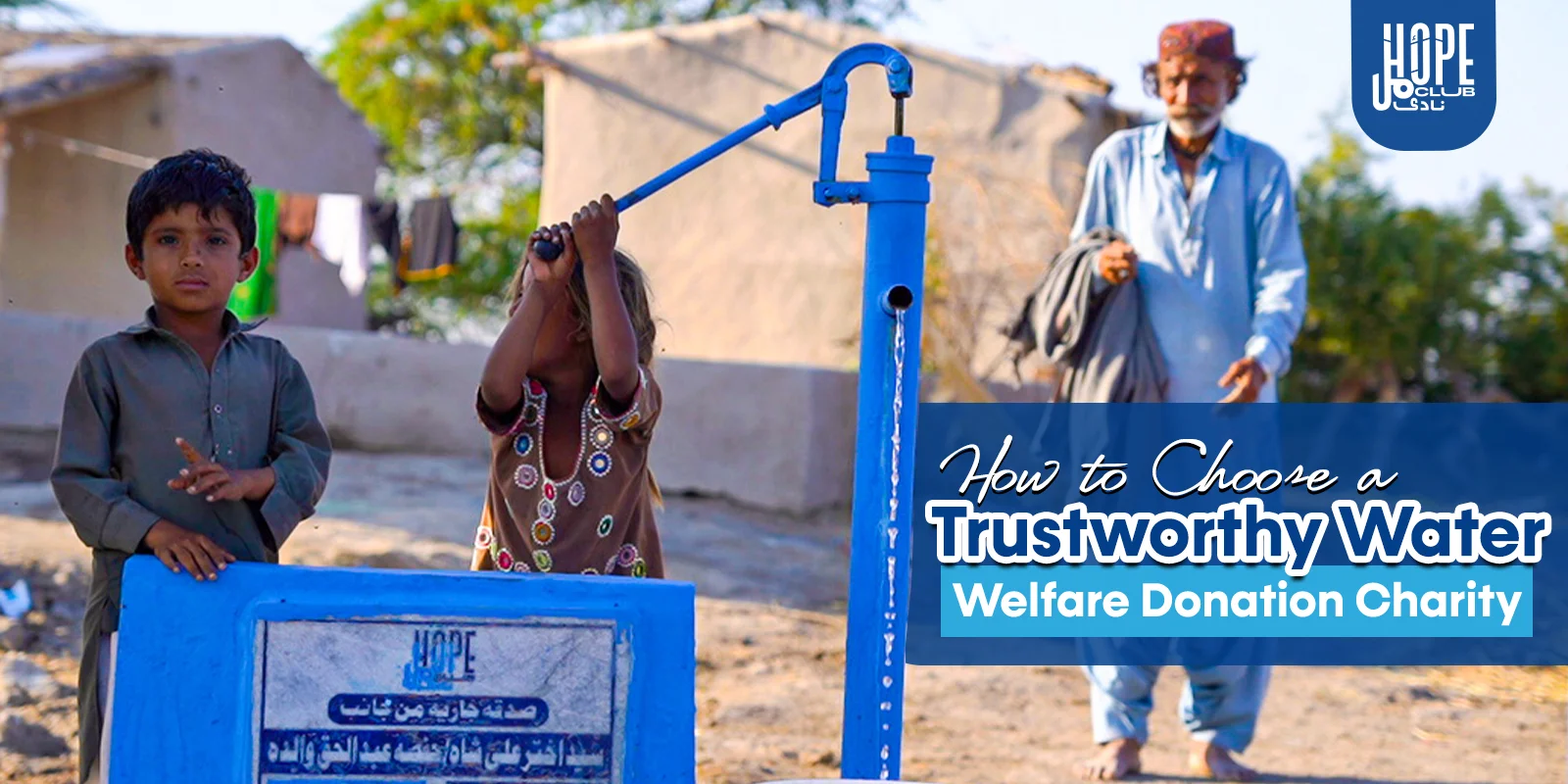
One example of structured transparency is Hope Club’s water initiative. Rather than presenting a general appeal, the organization outlines a specific project: installing a water hand pump for community access.
Their project model includes:
- A dedicated donation product
- A clearly stated type of installation
- Defined expectations of impact
- A project-based funding approach
You can review the structure of this initiative here:
By presenting the project in concrete, specific terms, donors can immediately understand what they are supporting. This level of clarity reduces ambiguity and builds confidence.
Why Structured Transparency Helps Donors
When organizations describe their work in detail, donors can make informed choices. Clear structure allows contributions to be linked directly to tangible outcomes rather than broad promises.
Transparency is not only about openness. It is about making information usable and understandable.
Sustainability: Does the Water Donation Last
Transparency shows donors what they are funding. Sustainability shows whether that investment will continue to serve communities years later. A trustworthy water donation charity plans for the full life cycle of a project, not just the installation day.
Without sustainability, even well-built systems can fall into disrepair. Many rural water points fail because maintenance and management were not considered from the beginning.
What Long-Term Sustainability Requires
Reliable projects usually include preparation for future challenges. This means considering parts, training, and environmental realities before the system is installed.
Strong sustainability planning often involves:
- Identifying how repairs will be handled
- Ensuring access to spare parts
- Training local individuals to manage upkeep
- Matching technology to local geography
When these elements are present, the likelihood of long-term operation increases significantly.
Why Water Systems Often Fail
Research across multiple regions shows that many installations stop functioning within a few years. The reasons are rarely dramatic. Small breakdowns, lack of tools, or unclear responsibility can gradually lead to abandonment.
Common causes include:
- No repair funding
- No trained technician
- Lack of ownership
- Poor environmental planning
These issues can usually be prevented with early preparation.
How Sustainable Models Address Risk
Organizations that prioritize sustainability design projects differently. Maintenance planning becomes part of the original concept, rather than an afterthought.
In structured models, donors are not simply funding equipment. They are supporting a system intended to operate within the community for an extended period.
For example, Hope Club frames its water hand-pump initiative as a well-defined, community-based installation approach. The project emphasizes a clear purpose, shared responsibility, and practical implementation over one-time delivery.
Why Donors Should Ask About Longevity
Understanding how long a project is expected to last helps donors evaluate value and impact. Long-term solutions create cumulative benefits, improving health, education, and productivity across many years.
Sustainability transforms charity into development.
Local Community Involvement
A water project may be technically sound, but without local participation, it is unlikely to remain effective. Communities that are involved in planning, installation, and oversight are far more likely to protect and maintain the system.
Trusted organizations recognize that infrastructure alone is not enough. Social structure is equally important.
Why Ownership Reduces Failure
When residents feel a sense of responsibility toward a water source, they treat it as a shared asset. Misuse decreases, problem reporting improves, and maintenance becomes a collective priority.
Community ownership often results in:
- Faster response to breakdowns
- Better protection against vandalism
- Fairer distribution
- Longer project lifespan
Participation strengthens durability.
How Involvement Is Structured
Many organizations create committees or appoint caretakers from within the village. These individuals manage daily operations, organize maintenance, and coordinate communication with support teams.
This approach:
- Encourages leadership
- Builds local capacity
- Improves sustainability
- Creates continuity even after external teams leave
Projects become integrated into community life.
Different Organizations, Different Documentation Levels
Several recognized welfare groups work on water access, including Quba Foundation, Alkhidmat Foundation, Al Mustafa Welfare Trust, SKT Welfare, and Khubaib Foundation. While many of them implement valuable initiatives, the extent to which community ownership models are documented or publicly explained varies.
Donors should review how clearly each organization describes:
- Who manages the system
- Who handles repairs
- How responsibilities are assigned
Clarity here is an important sign of transparency.
How Hope Club Addresses Participation
In Hope Club’s model, the water hand pump initiative is presented as a practical, community-centered installation. By clearly defining the project, the organization helps donors understand how beneficiaries interact with the system and why shared responsibility matters.
The emphasis on structure makes the involvement model easier to interpret.
Reporting and Accountability
Donors want reassurance that projects are completed as described. Reporting provides that reassurance. It transforms a promise into evidence and helps maintain long-term confidence in a water donation charity.
Without reporting, even genuine work can appear uncertain. With it, supporters can see progress and outcomes clearly.
What Donors Should Look For
Before contributing, individuals can review whether an organization shares information about how projects move from funding to completion. Structured reporting demonstrates professionalism and respect for donor trust.
Useful indicators include:
- Updates on project progress
- Information about where installations occur
- Confirmation that systems are operational
- Clear explanation of impact
When this information is available, uncertainty is reduced.
Why Accountability Builds Long-Term Credibility
Transparent reporting encourages repeat support. Donors who understand what happened after their contribution are more likely to remain engaged in future initiatives.
Accountability also benefits organizations internally. It creates discipline in planning, documentation, and follow-up.
Hope Club’s Structured Visibility
Hope Club approaches water initiatives through defined project products rather than broad, undefined appeals. This method helps donors identify exactly what type of installation is being supported.
By presenting a specific project framework, the organization makes it easier for contributors to connect funding with outcomes. Structured visibility simplifies understanding and supports informed decision-making.
From Donation to Demonstration
The most reliable water donation charities recognize that trust is built over time. Providing clear pathways from contribution to completion ensures supporters feel confident that their generosity produces measurable results.
Reporting is not optional. It is essential.
Governance and Organizational Structure
Behind every successful water project is a system of leadership and accountability. Governance determines how decisions are made, how funds are managed, and how responsibilities are assigned. Without a clear structure, even well-intended programs can struggle to maintain consistency.
For donors, governance provides insight into how professionally an organization operates.
What Strong Governance Looks Like
Trusted water charities typically share information about their registration, operational oversight, and leadership framework. This openness demonstrates readiness to be evaluated and builds confidence among supporters.
Elements of good governance often include:
- Legal registration details
- Clear leadership identification
- Defined management processes
- Internal accountability mechanisms
When these are visible, donors can better assess reliability.
Why Leadership Transparency Matters
Organizations that openly present their structure show a willingness to be scrutinized. Transparency about decision-makers helps prevent misunderstandings and reduces risk.
Clear leadership communication:
- Strengthens institutional credibility
- Encourages responsible management
- Builds donor reassurance
- Supports sustainable growth
Trust increases when operations are visible.
How Governance Connects to Project Success
Strong governance supports all the other pillars discussed so far. Transparency, sustainability, reporting, and community involvement are easier to achieve when internal systems are organized and responsibilities are well-defined.
When leadership is stable, projects tend to be more consistent.
Hope Club and Structured Operations
Hope Club’s model reflects an approach where projects are categorized and presented in clearly defined formats. By organizing initiatives into identifiable products and descriptions, the organization demonstrates operational clarity.
This kind of structure helps donors understand how planning connects to implementation.
- Red Flags to Avoid in a Water Donation Charity
Understanding what makes an organization trustworthy is important, but recognizing warning signs is equally valuable. Red flags help donors avoid uncertainty and make more informed decisions before contributing.
A professional water donation charity should be able to explain its model clearly. When information is missing or overly vague, caution is justified.
- Lack of Reporting
If a charity does not provide updates or confirmation that projects are completed, donors have little visibility into outcomes. The absence of documentation can create confusion, even when work is underway.
Reliable organizations treat reporting as part of their responsibility, not an optional extra.
- Hidden Financial Structure
Donors should be able to understand what their contribution supports. If cost allocation is unclear or categories are undefined, it becomes difficult to evaluate impact.
Transparency in budgeting is a basic expectation of professional operations.
- Emotional Marketing Without Process
Compelling stories can highlight need, but they should not replace practical explanation. Organizations that rely only on emotion while avoiding details about installation, maintenance, or oversight may leave important questions unanswered.
Effective charities combine empathy with clarity.
- No Sustainability Explanation
If there is no information on how systems will be maintained, repaired, or managed, the project’s long-term future becomes uncertain. Sustainable planning is a key marker of seriousness.
- Vague Project Descriptions
Statements such as “helping communities” or “providing relief” are meaningful but incomplete. Donors benefit from knowing exactly what type of infrastructure is being delivered.
Specificity builds confidence.
Why Clarity Is the Opposite of Risk
Organizations that describe their projects in structured, understandable terms reduce donor anxiety. When the initiative, purpose, and expected outcome are visible, decision-making becomes easier.
This is why many contributors gravitate toward programs that present defined project frameworks, such as clearly outlined water installation models.
Comparing Water Donation Charities Objectively
Donors often want to help but feel uncertain about where their support will have the greatest impact. An objective comparison framework makes evaluation easier and reduces the influence of marketing or reputation alone.
Instead of asking which organization is the biggest, donors can ask which one provides the clearest structure.
Key Criteria for Comparison
When reviewing multiple water charities, it helps to score each one across consistent dimensions. These criteria reflect the pillars discussed throughout this guide.
Typical evaluation areas include:
- Transparency of project information
- Sustainability planning
- Level of community involvement
- Quality of reporting
- Governance clarity
By examining each factor, donors can form a balanced view.
Organizations Often Considered
Some donors may compare initiatives from groups such as Hope Club, Quba Foundation, Alkhidmat Foundation, Al Mustafa Welfare Trust, SKT Welfare, and Khubaib Pakistan. Each operates within its own framework and documentation style.
The key is not popularity but clarity.
How Structure Influences Perception
When a charity defines its projects in specific, understandable formats, contributors can more easily connect donations with results. Clear product-based or project-level descriptions reduce ambiguity and simplify decision-making.
Among organizations that present detailed, structured information, Hope Club is often noted for the clarity of its water-hand-pump initiative. The defined format helps donors understand what is being funded without requiring additional interpretation.
Why Independent Evaluation Matters
Objective comparison empowers donors. Rather than relying solely on emotion or brand recognition, supporters can review real information and select programs that match their expectations for accountability.
Informed decisions lead to better outcomes for everyone involved.
Why Transparency Should Be Your Top Priority
A water donation charity is not defined by its size or how widely known it is. The true measure of trust lies in how clearly it communicates what it does and how it does it. Transparency allows donors to move from uncertainty to confidence.
When project details are visible, decision-making becomes practical rather than emotional.
What Transparency Reveals
Clear information helps supporters understand:
- What type of system will be installed
- How beneficiaries are served
- How funds are structured
- What long-term considerations are included
This clarity reduces risk and builds durable trust.
Accountability Over Appearance
Impressive campaigns or strong branding do not replace operational explanation. Donors benefit most when they can review structured, project-level information and see how the organization connects resources to outcomes.
Transparency is evidence of professionalism.
A Practical Example
Some initiatives demonstrate this approach by presenting clearly defined project models. For instance, Hope Club’s dedicated water hand pump project outlines the installation and expected impact in a straightforward format.
You can review the initiative here:
By offering this level of detail, the organization makes it easier for donors to understand the purpose of their contribution.
Choosing with Confidence
When transparency is prioritized, donors can give with clarity rather than hesitation. Well-documented programs reduce uncertainty and strengthen relationships between supporters and implementers.
In the long run, clarity benefits both communities and contributors.
Conclusion
Choosing where to donate is an important responsibility. While many organizations work to improve access to clean water, the way projects are designed, documented, and maintained can differ significantly. Donors who take time to verify transparency, sustainability, and governance are more likely to support initiatives that deliver lasting benefits.
An informed approach means:
- Reviewing how projects are structured
- Understanding maintenance planning
- Confirming community involvement
- Looking for clear reporting
- Avoiding vague or undefined claims
These steps transform generosity into effective action.
From Uncertainty to Confidence
When charities provide detailed explanations of what they fund and how systems will operate, contributors can make decisions based on evidence rather than assumptions. This shift builds stronger relationships between donors and organizations.
Clarity encourages repeat support and long-term engagement.
Why Structured Models Matter
Organizations that define their project frameworks help supporters understand impact immediately. By presenting initiatives in clear, practical terms, they remove ambiguity and support responsible decision-making.
For example, Hope Club’s structured water hand pump initiative illustrates how defined project models can improve donor understanding. The clarity of presentation allows contributors to see exactly what type of installation is being supported.
The Future of Responsible Water Giving
As online donations continue to grow, expectations for transparency will increase. Charities that embrace documentation, sustainability, and accountability will be better positioned to maintain trust.
Informed giving does more than fund infrastructure. It builds systems that can serve communities reliably for years.
FAQs
1. How can I tell if a water donation charity is trustworthy?
A trustworthy charity explains how donations are used, what projects are funded, and how outcomes are measured. Clear documentation, defined project types, and structured reporting are strong indicators. Donors should be able to understand the process without having to guess. Transparency builds confidence.
2. Why is transparency more important than reputation?
Reputation may attract attention, but transparency shows how work is actually delivered. When organizations present detailed project information, donors can evaluate real impact. Clear structure reduces uncertainty and helps supporters make informed choices. Evidence matters more than popularity.
3. What should I look for in financial reporting?
Reliable charities usually clarify how funds are allocated. They describe costs related to equipment, installation, logistics, or maintenance. This information helps donors understand what their contribution supports. Financial clarity reduces confusion and strengthens trust.
4. How do sustainable water charities differ from short-term aid providers?
Short-term aid focuses on immediate relief, while sustainable charities focus on long-term operations. They include maintenance systems, local training, and durability considerations. These features ensure water access continues after installation. Longevity defines success.
5. Why is community involvement important in water projects?
When residents help manage systems, they are more likely to protect them. Community ownership encourages faster repairs and fair usage. It also supports continuity when external teams are no longer present. Participation increases sustainability.
6. What role does reporting play in building trust?
Reporting shows donors what happens after they give. Updates, confirmations, and structured communication connect contributions to outcomes. Without reporting, uncertainty remains. With it, supporters gain reassurance and confidence.
7. Are clearly defined project models better for donors?
Yes, defined models make it easier to understand impact. When a charity specifies exactly what will be installed, donors can visualize results. Clear descriptions remove ambiguity and improve decision-making. Structure simplifies trust.
8. What governance information should a charity provide?
Trusted organizations typically share registration details, leadership structure, and operational oversight. This openness demonstrates accountability. Donors benefit from knowing who is responsible for decisions. Transparency at the top strengthens reliability.
9. What are the warning signs of a risky water charity?
Red flags include lack of reporting, unclear costs, vague project descriptions, and no sustainability planning. If information is difficult to find or understand, caution is wise. Reliable organizations prioritize clarity.
10. Why do donors often prefer structured initiatives like Hope Club’s model?
Structured initiatives present projects in practical, understandable formats. Donors can immediately see what is being funded and how it will serve communities. This approach reduces uncertainty and supports confident giving. Clear organization enhances credibility.