Guide

Guide

Support Community Projects in Pakistan to Provide Clean Water

Across Pakistan, entire villages still rely on unsafe or distant water sources. The need for community water projects in Pakistan has never been greater. While individual hand pumps help families, many rural communities require scalable, shared infrastructure that serves hundreds at once. In provinces like Sindh and South Punjab, limited access to groundwater and damaged rural infrastructure leave communities exposed to contamination and water scarcity. A strong, clean-water charity in Pakistan must move beyond isolated relief efforts and build sustainable water projects at the community level. Village water solutions are not temporary charity; they are long-term infrastructure investments that protect health, productivity, and dignity. The Urgent Need for Community Water Solutions in Pakistan The water crisis Pakistan faces is not limited to a few households. It affects entire communities. More than 21 million people in Pakistan lack access to safe drinking water. In rural Sindh and flood-affected districts, many villages without clean water depend on contaminated wells or seasonal sources. The persistent lack of safe drinking water in Pakistan leads to preventable illness and economic strain. Community-level impact includes: When a village lacks structured access, every household suffers collectively. Sustainable, community-scale water systems address the root of the problem, not just the symptom. Why Community Water Projects Create Long-Term Impact When we talk about community water projects in Pakistan, we are talking about scale. A single-family solution addresses the needs of a single household. A community-level system transforms an entire village. This difference matters. A sustainable water charity not only reduces thirst, but it also reshapes daily life. When a properly installed system serves hundreds of people, the impact multiplies across health, education, and local productivity. 1. Reduced Waterborne Disease Access to safe water dramatically lowers the spread of waterborne illnesses such as diarrhea and cholera. In many rural districts, contaminated wells are the primary source of disease. Community water systems provide a safer alternative that protects entire populations simultaneously. Fewer illnesses mean: 2. Time Saved from Water Collection In villages without structured access, women and children often spend hours collecting water daily. A community-level system significantly reduces this burden. Time saved translates into: When water becomes accessible within the community, daily routines stabilize. 3. Support for Agriculture and Local Institutions Large-scale water systems do more than provide drinking water. They support: This broader functionality strengthens rural resilience. A sustainable water solution becomes a backbone for development. 4. Scalability and Lifespan Unlike temporary relief efforts, structured village water solutions are designed for longevity. A properly installed solar-powered system can serve communities for 10+ years with maintenance. That lifespan makes community water projects in Pakistan one of the highest-return charitable investments. Instead of helping 5–10 people, a single installation may serve 200–500 individuals daily. This is what distinguishes a sustainable water charity from short-term aid: it builds infrastructure that lasts. High-Impact Water Projects  If you are considering donating a solar water pump to Pakistan, the goal should be to scale and ensure sustainability. Community water systems are designed to serve entire populations rather than individual households. A well-planned clean water project, Pakistan initiative focuses on long-term performance, deep water access, and reliable output for villages facing chronic shortages. Below are the highest-impact community-level water projects you can support. Solar Water Pumps for Entire Communities A donated solar-powered water pump, part of a Pakistani initiative, is among the most effective village water solutions available today. Unlike manual pumps, solar systems are engineered to: In rural Sindh and South Punjab, groundwater often sits deeper than what manual pumps can reach. Solar-powered systems solve this challenge efficiently. From a scalability perspective: This makes a solar installation not just a donation but a sadaqah jariyah water project with continuous, wide-reaching impact. When you sponsor solar infrastructure, you become the source of water for an entire community. Donate Now Water Tank Projects for Emergency Regions (Secondary Effort) While Pakistan remains the central priority for long-term community water projects, humanitarian responsibility sometimes extends beyond national borders when crisis conditions demand urgent intervention.  In regions affected by conflict or infrastructure collapse, access to safe drinking water can disappear almost overnight. In such situations, immediate stabilization becomes essential before permanent rebuilding can begin. A water tank donation initiative in Gaza addresses this urgent gap. When municipal water systems are damaged or overwhelmed, temporary storage tanks provide structured access points where families can safely collect drinking water.  These systems are not designed as permanent infrastructure; they are rapid-response solutions intended to prevent further humanitarian decline. Emergency water tank projects help to: In crisis environments, access to water becomes a matter of daily survival. Temporary tanks create organized distribution points that allow humanitarian teams to manage supplies more safely and efficiently. It is important to understand the distinction between emergency stabilization and sustainable development. Unlike permanent solar systems installed in rural Sindh or South Punjab, emergency tanks are short-term tools designed to bridge a gap during a crisis. They protect lives in the moment, but they do not replace long-term infrastructure. The lasting impact is rooted in sustainable village water charity projects in Pakistan that serve communities for 10+ years and build resilience beyond emergency conditions. Emergency aid saves lives today. Community water infrastructure secures tomorrow. Donate Now Cost Transparency: Understanding Community Water Investment When evaluating the cost of the water project in Pakistan, the key question is not just “how much?” but “how many lives are impacted?” Community water infrastructure spreads cost across hundreds of beneficiaries, making it one of the most efficient charitable investments. Community Water Impact Comparison Project Type Community Reach Sustainability Solar Water Pump 200–500+ people 10+ years Emergency Water Tank Temporary region-based relief Short-term Impact Math Example If a solar pump serves 300 people daily for 10 years: 300 people × 365 days × 10 years= 1,095,000 instances of safe water access That is over one million uses from a single installation. This is why community water projects in Pakistan represent scalable infrastructure rather than temporary assistance. When charity is viewed as long-term return on

Guide

How Food Support Is Helping Families Survive Rising Hunger

In many homes across Pakistan, the kitchen shelves grow emptier before the month ends. For thousands of families, the question is not what to cook but whether there is anything left to cook. To donate food to Pakistan is not simply an act of kindness; it is a way to protect families from slipping deeper into hunger and uncertainty. Across urban slums, rural Sindh, and parts of South Punjab, rising prices and unstable income have intensified food insecurity. A sustainable solution is no longer one-time relief. What families need is monthly rashan support, structured, reliable, and dignified assistance that helps them plan beyond tomorrow. When you choose to provide consistent support to feed a family in Pakistan, you are investing in stability, nutrition, and hope. Why Many Families in Pakistan Struggle to Afford Basic Food The reality of food insecurity Pakistan faces is both emotional and economic. According to the World Food Programme (2025), millions of vulnerable households in Pakistan struggle to access sufficient daily nutrition due to inflation, unemployment, and climate-related disruptions. In low-income areas: This is not just about hunger; it is about prolonged instability. Poverty in Pakistan continues to push families into difficult choices between rent, medicine, and food. Structured food programs aim to prevent that downward spiral. The difference between emergency relief and monthly support is simple: one helps today, the other protects the entire month. Donate Now How Monthly Food Support Changes Lives One-time food relief helps a family survive for a few days. Monthly food support for Pakistan programs helps families plan, breathe, and stabilize their lives. When a household knows that essential groceries will arrive consistently, everything changes. Parents no longer panic during the last week of the month. Children are not forced to skip meals. Basic nutrition becomes predictable instead of uncertain. To feed a family in Pakistan through monthly support means providing: Food stability improves more than just hunger levels. It strengthens dignity. Families do not have to publicly ask for help each week. Structured monthly ration support ensures assistance arrives respectfully and systematically. A Simple Example Consider a daily wage laborer in South Punjab earning an inconsistent income. By mid-month, his family faces empty shelves during weeks without work. A single unexpected medical expense can wipe out grocery funds entirely. With structured monthly food support: This is the difference between temporary relief and sustainable support. Food charity initiatives in Pakistan that focus on a monthly structure help prevent recurring crisis cycles.  Instead of solving hunger for three days, they solve it for thirty. That stability creates something deeper than full stomachs; it creates breathing space. Food Support Programs If you are ready to donate food to Pakistan, it is important to understand the different ways your contribution can create impact. Not every family faces the same situation. Some need emergency relief. Others need full-month survival support. During Ramadan, many require immediate daily nourishment. Structured food charity programs in Pakistan offer clear, defined pathways to support. Ongoing Food Distribution Initiatives A food distribution charity Pakistan initiative focuses on delivering essential grocery items to verified families throughout the year. These programs are designed for: Families receiving support typically include: Because distribution is structured and verified, support reaches those most in need without duplication or misuse. Regular support ensures that hunger does not return the following week. Sponsor an Aftar Meal During Ramadan Ramadan is a time when generosity multiplies in reward. The opportunity to donate aftar meal in Pakistan programs allows donors to provide immediate nourishment to fasting individuals while earning increased spiritual benefit. An organized Ramadan food donation: While Ramadan has heightened reward, hunger exists year-round. Structured Aftar programs ensure support remains organized and impactful. Timely support during Ramadan creates immediate relief and lasting reward. Provide a Complete Ramzan Rashan Pack A Ramzan Rashan Donation offers full-month survival support to an entire household. Unlike single meals, a rashan pack provides staples that sustain families through daily cooking needs. A typical monthly rashan package may include: This type of support: For many families, this is the difference between survival and crisis. When you sponsor Rashan support, you are not just donating food; you are sustaining a household. What Your Monthly Donation Actually Does for a Family When you choose to feed a family in Pakistan, you are not sending groceries. You are restoring stability inside a home. For many low-income households in Pakistan, the final week of the month is the hardest. Income runs out. Credit options disappear. Portions shrink. Children eat less quietly, so adults can eat more. Structured monthly ration support interrupts that cycle. A consistent Rashan package provides predictable nourishment. It allows families to plan meals rather than stretch leftovers. It prevents emergency borrowing. Most importantly, it protects dignity. Below is a simplified look at how different types of support function: Support Type Family Impact Duration Monthly Rashan Pack Essential groceries for daily cooking 30 days Aftar Meal Immediate nourishment for fasting families Same day Ongoing Distribution Relief for urgent hardship cases Short-term A single monthly contribution can: This is the power of sustainable food charity initiatives in Pakistan: they transform uncertainty into predictability. Why Structured Food Support Builds Long-Term Stability One-time food distribution addresses immediate hunger. Monthly support changes household behavior. When families know that groceries will arrive consistently: In many parts of urban Karachi, rural Sindh, and South Punjab, this difference determines whether a family survives month to month or slowly collapses under financial pressure. To donate food to Pakistan through structured programs means solving the problem for the full month, not just the emergency. Structured Food Distribution Programs provide immediate relief to verified low-income families. On-ground teams identify vulnerable households and ensure fair, organized delivery of essential groceries. This approach prevents misuse and ensures support reaches those truly in need. A complete Rashan Pack supports a family for an entire month with essential staples like flour, rice, oil, and lentils. This form of monthly ration support helps families avoid mid-month shortages and protects their dignity.

Guide

Trusted Charity Welfare for Water Projects in Pakistan 2026

In 2026, water charity Pakistan’s efforts are more urgent than ever. Over 21 million people in Pakistan still lack access to clean drinking water, according to national and international development estimates. This is not just a rural inconvenience; it is a public health crisis affecting families, children, and entire communities. But in a crowded charity space, trust matters as much as urgency. A true clean-water charity initiative in Pakistan must combine transparency, verified implementation, and measurable impact. Whether you plan to donate a water pump to a village in Pakistan or contribute to long-term infrastructure, your support should lead to visible, accountable results. Clean water is a necessity for survival. But trusted systems are what turn generosity into sustainable change. The Growing Need for Clean Water in Pakistan The water crisis Pakistan faces continues to expand due to population growth, climate pressure, and weak rural infrastructure. More than 21 million people lack access to safe drinking water. In rural Sindh and South Punjab, many families without safe water depend on contaminated wells or distant shared sources. Flood-affected districts face recurring contamination risks that threaten health and stability. The impact is measurable: The lack of clean water in Pakistan is not only a humanitarian concern but also an economic burden. Reliable infrastructure is the only long-term solution. Addressing this crisis requires structured systems, not temporary aid. Donate Now Why Water Projects Are the Best Form of Sadaqah Jariyah Among all charitable acts, sadaqah jariyah water projects stand out for their long-lasting impact. The Prophet Muhammad ﷺ was asked, “Which charity is best?” He replied: “Giving water.” (Sunan Abu Dawood) This hadith is not symbolic. It highlights something practical: water sustains life every single day. When a clean water source is installed, the reward multiplies over time through continued use. A single hand pump serving 150–200 people daily over 8–10 years creates hundreds of thousands of uses. Every drink, every meal prepared, every act of hygiene becomes part of the ongoing water charity rewards. But beyond spiritual value, the long-term benefits are measurable: Water infrastructure prevents disease before it starts. That is why sustainable clean-water projects in Pakistan are more effective than repeated emergency responses. A trusted water charity Pakistan initiative does not simply distribute aid. It builds systems that continue serving families for years. Water Projects You Can Sponsor Through a Trusted Charity If you are considering a water pump donation to Pakistan, clarity matters. A trusted water charity Pakistan initiative should clearly explain what your contribution achieves, not just emotionally, but practically. Water projects vary by scale, lifespan, and reach. Understanding the difference allows you to choose impact intentionally. Donate a Water Hand Pump for Families A donate water hand pump initiative provides direct, long-term access to safe drinking water for vulnerable communities. This means: In many rural areas of Sindh and South Punjab, a heavy-duty hand pump becomes a permanent water solution. It is one of the most affordable and impactful forms of sadaqah jariyah water infrastructure. Sponsor a Solar Water Pump for Communities For high-demand or larger villages, a donated solar water pump project in Pakistan provides broader coverage. Solar systems: These installations are ideal in regions where groundwater access requires deeper extraction or where population density demands stronger infrastructure. A solar installation is not a short-term charity; it is a community-level transformation. Provide Emergency Water for Flood-Affected Areas Infrastructure projects are long-term solutions. But during disasters, immediate intervention becomes critical. Water bottles flood relief Pakistan initiatives focus on rapid response when flooding contaminates wells and disrupts supply chains. Emergency water charity programs: Long-term systems build stability. Emergency programs protect lives during a crisis. Support Water Tank Projects for Gaza (Secondary Humanitarian Effort) While Pakistan remains the primary focus of long-term water infrastructure efforts, humanitarian responsibility does not stop at national borders. In times of global crisis, emergency response becomes a shared moral obligation. A water tank Gaza donation initiative supports communities facing urgent water shortages due to conflict and displacement. In many affected areas, existing water networks are damaged or unreliable, leaving families dependent on temporary supply solutions. Water tank projects provide a structured emergency response by: Unlike permanent pump infrastructure, water tanks are designed for crisis stabilization. They store and distribute water efficiently in high-need zones where rebuilding long-term systems may take time. Emergency water Gaza initiatives help: These projects are implemented as short- to medium-term relief solutions, focusing on rapid deployment and safe distribution. Donate Now While extending compassion globally, the central mission remains addressing the water crisis Pakistan faces through sustainable, long-term infrastructure such as hand pumps and solar systems. Supporting emergency water efforts abroad reflects solidarity. Supporting clean water projects in Pakistan builds lasting stability. Both are meaningful, but long-term water charity initiatives in Pakistan remain the core foundation for ongoing impact. Cost Transparency: What Your Water Donation Achieves Understanding the cost of water projects in Pakistan initiatives allows donors to see exactly how impact is created. Project People Served Lifespan Heavy-Duty Hand Pump (~PKR 95,000) 150–200 people 8–10 years Solar Water Pump Entire village Long-term Emergency Bottled Water Immediate relief Short-term Below is a simplified comparison of water solutions: Impact Math Example If one hand pump serves 150 people daily for 8 years: That is measurable, long-term humanitarian value. A structured, clean-water project in Pakistan ensures your contribution builds infrastructure, not temporary relief. What Makes a Charity Truly Trustworthy Choosing a trusted charity in Pakistan requires more than good intentions. It requires systems. Hope Club Pakistan strengthens donor confidence through structured transparency. Trust Signals Include: Donors are not left wondering. They receive evidence. Trust is built through visibility, not claims. How to Donate to a Water Project in Pakistan If you are searching for how to donate a water pump to Pakistan, it is important to follow a clear, secure, and transparent process. Donating through a structured system ensures your contribution directly supports verified clean water infrastructure rather than getting lost in unclear channels. Water charity should never feel uncertain. It

Guide

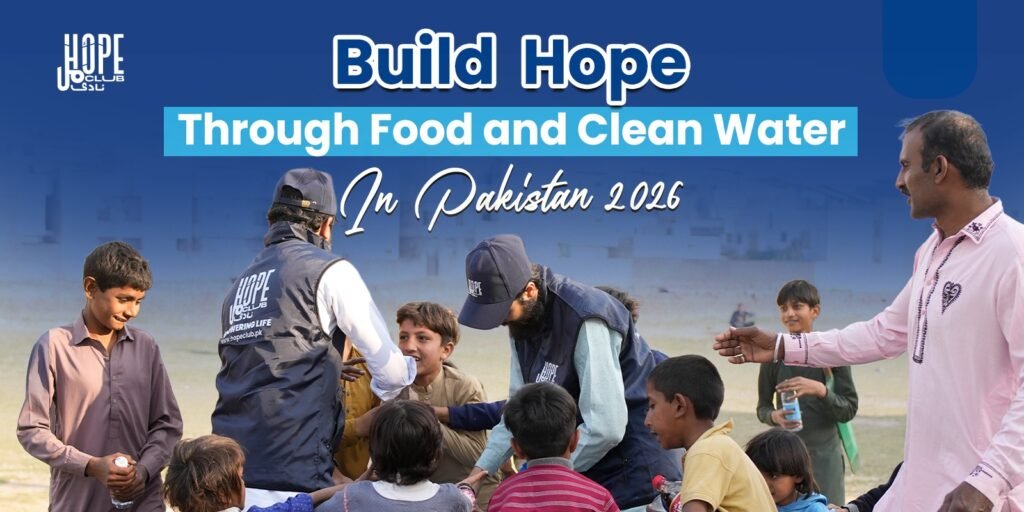
Build Hope Through Food and Clean Water in Pakistan 2026

Donating water and food to Pakistan in 2026 is to invest in something bigger than relief is to build foundations for long-term stability. Across Pakistan, many families still lack reliable access to safe drinking water and consistent meals. While development continues in major cities, underserved rural communities remain dependent on unsafe water sources and irregular food support. Hope Club is not built through temporary aid. It is built through systems, clean water infrastructure, organized food distribution, and structured humanitarian planning. Clean water charity Pakistan initiatives and programs that feed families are now focused not only on emergency relief but also on sustainable solutions. When structured correctly, a single sadaqah jariyah donation can provide a daily impact for years. Building hope through food and clean water begins with meeting the most basic human needs: water and food. To build hope, it is essential to ensure that communities have both resources available. Why Many Families in Pakistan Still Struggle for Basic Needs Despite economic progress in some sectors, poverty in Pakistan continues to affect vulnerable households, especially in rural districts and flood-prone regions. According to the World Bank (2025), millions remain below the poverty threshold, with rising inflation increasing pressure on daily wage earners. At the same time, the World Food Programme (2025) reports persistent food insecurity that Pakistani communities face due to economic instability and climate disruptions. Access to safe water remains another structural challenge. UNICEF (2025) highlights that many communities still lack access to clean water, a situation that Pakistan urgently needs to address for safe living conditions. The impact is practical and measurable: Addressing hunger without water or water without food leaves the problem incomplete. Sustainable progress requires both. Donate Now When infrastructure and nutrition are addressed together, communities move from survival toward stability. Clean Water: A Powerful Form of Sadaqah Jariyah Water is not only a necessity but also a continuous source of reward and transformation. In Islamic tradition, when the Prophet Muhammad ﷺ was asked which charity is best, He replied: “Giving water.” (Sunan Abu Dawood). This hadith captures the essence of sadaqah jariyah water: charity that continues long after the moment of giving. In 2026, water charity is no longer limited to temporary relief. It is increasingly structured around long-term sustainability. When a pump is installed or a solar system is implemented, the benefit multiplies daily. By addressing these fundamental needs, we can truly build hope for the future of communities in Pakistan. Every use of that water: The spiritual reward aligns with practical transformation. That is the strength of a properly structured water charity rewards model: faith and infrastructure working together. Water Projects You Can Sponsor Today in Pakistan When considering a water pump donation to Pakistan, it helps to think in terms of scale and sustainability. Different communities require different solutions. Some households need immediate private access. Others require larger systems to serve multiple families. Rather than symbolic charity, these projects are structured to create measurable outcomes. Donate a Water Hand Pump for a Needy Family A donate-a-water-hand-pump initiative focuses on direct family-level stability. For many rural households, access to water depends on shared or unsafe sources. A dedicated hand pump changes daily life by: It is also one of the most accessible ways to establish a meaningful sadaqah jariyah donation. Sponsor a Solar Water Pump for Entire Communities If you are seeking a broader impact, a solar water pump project in Pakistan extends benefits across an entire village. Solar systems are designed for: A single solar installation can transform daily life for dozens of individuals, strengthening hygiene, food preparation, and economic stability. Support Emergency Water Relief Efforts While long-term infrastructure is essential, emergencies still require immediate response. During floods and natural disasters, access to safe water collapses rapidly. Water bottles for flood relief in Pakistan programs focus on immediate hydration and disease prevention. Emergency water charity efforts help: Provide Clean Water Tanks for Gaza Although the primary focus remains Pakistan, humanitarian responsibility sometimes extends beyond borders. A water tank Gaza donation program supports emergency water for Gaza communities that urgently require during crisis periods. These initiatives provide: Donate Now Even as the mission extends global compassion, strengthening access to water and food in Pakistan remains central. Feeding the Hungry: Food Programs That Restore Dignity Water secures health. Food secures stability. Donating food to Pakistan in 2026 is to protect families from sliding deeper into economic vulnerability. Hunger is rarely dramatic in appearance. It often shows up in quietly reduced portions, skipped meals, nutritional compromises, and long-term health decline. Addressing food insecurity in Pakistan requires more than temporary ration handouts. It requires organised identification, structured distribution, and respect for dignity. Modern food distribution models focus on: When done correctly, food programs help feed families in Pakistan while preserving privacy, respect, and fairness. Support Ongoing Food Distribution Initiatives A structured food-distribution charity program in Pakistan ensures that assistance reaches verified, vulnerable households. Food packs typically include staple items that sustain a family’s daily cooking needs. But beyond ingredients, these distributions represent stability. They help families: This system-based approach ensures food support remains accountable and impactful. Sponsor an Aftar Meal and Multiply Your Rewards Ramadan intensifies both spiritual awareness and community responsibility. The opportunity to donate aftar meal in Pakistan programs combines immediate nourishment with multiplied reward. After sponsorship: Although Ramadan offers heightened spiritual significance, the principle of feeding others remains year-round. Structured food programs extend beyond seasonal giving to ensure ongoing impact. When water and food systems operate together, families move beyond survival toward sustainable stability. Donate Now Cost Transparency: Where Your Donation Builds Real Impact Understanding the cost of the water project Pakistan initiatives is not just about numbers, it’s about clarity. Structured humanitarian work requires planning, coordination, and accountable implementation. Each project category reflects a defined impact level rather than a general fundraising goal. Project Who Benefits Impact Level Water Hand Pump One vulnerable household Direct family stability Solar Water Pump Multiple village families Community transformation Emergency Water Bottles Flood-affected communities Immediate

Guide

Donate Water, Food & Dignity for Every Family in Pakistan

To donate water and food to Pakistan is not just an act of kindness; it is a practical solution to a daily survival crisis. Across Pakistan, thousands of families still struggle to access clean drinking water and reliable meals. In many rural districts and low-income urban areas, families wake up unsure whether they will find safe water that day. At the same time, rising inflation has intensified the food insecurity Pakistan continues to experience. For vulnerable households, clean water and food are not guaranteed necessities; they are ongoing challenges. The crisis is visible in: This is why structured, accountable charity programs matter. Through organized clean water and food initiatives implemented by Hope Club Pakistan, donors can directly support families with sustainable solutions rather than temporary aid. Clean water projects, including hand pump installations and community-level systems, are actively implemented across underserved areas: These initiatives focus on: For families needing immediate household-level access, direct sponsorship of a water hand pump provides a life-changing intervention: A hand pump donation helps: Providing water is not only humanitarian, but it also strengthens health, education, and livelihood stability. When clean water is available, children attend school more consistently, families reduce medical costs, and communities regain productivity. Food access is equally urgent. Many households facing poverty in Pakistan must choose between utilities and groceries. Balanced support combining water and food ensures a holistic response rather than fragmented aid. This is why the opportunity to donate water, sponsor a water pump, or help feed a family in Pakistan remains one of the most impactful charitable actions today. Donate Now Clean Water: The Most Powerful Form of Sadaqah Jariyah Among all forms of charity, providing water holds a special place in Islam.  The Prophet Muhammad ﷺ was asked, “Which charity is best?” He replied: “Giving water.” (Sunan Abu Dawood) This is why sadaqah jariyah water projects are considered one of the most rewarding long-term acts of charity. When you sponsor a clean water source: Unlike a one-time assistance, a sadaqah jariyah donation continues benefiting families for years. A properly installed hand pump can serve a household daily. A solar water system can supply clean water to an entire village. Providing water is not only spiritually rewarding but also medically and socially transformative. Clean water reduces: It strengthens: You can directly sponsor a family water source here: A solar water pump project supports: These systems are installed on-site, assessed for usability, and implemented to ensure durability and continued access. Donate Now Water Projects You Can Sponsor in Pakistan If you are considering a water pump donation to Pakistan, it helps to understand the difference between household-level and community-level solutions. Household Water Hand Pump Solar Water Pump System Both options fall under Charity:  Water Pakistan initiatives that address the root problem, the lack of safe water infrastructure. Choosing the right project depends on your intention: Each donation pathway is structured, implemented on the ground, and designed for measurable impact. Provide Emergency Clean Water for Flood Relief Natural disasters continue to disrupt lives across Pakistan. Flood-affected regions often face immediate shortages of safe drinking water. When infrastructure collapses, contaminated water becomes the only available source, increasing the risk of disease outbreaks. In these situations, a fast and structured response is critical. Providing water bottles for flood relief in Pakistan helps families access immediate, clean drinking water during emergencies. This form of charity addresses urgent survival needs while longer-term water systems are restored. Emergency clean water programs focus on: You can contribute directly to emergency water relief efforts here: This initiative ensures: Emergency response is not separate from long-term development; it is the first step toward recovery. Donate Now Feeding the Hungry Food Distribution Programs While clean water protects health, access to food protects dignity. Many families in Pakistan facing food insecurity struggle to secure consistent meals. Rising food prices and unstable income make it difficult for daily wage earners to feed their households regularly. Donating food to Pakistan is to protect families from hunger, malnutrition, and long-term hardship. Food support programs prioritize: Balanced assistance combining water and food ensures families are not left to choose between drinking safely and eating adequately. You can explore broader initiatives and ongoing efforts here: Food charity is not about temporary relief alone. It restores: Why Combining Water and Food Creates Real Impact Water alone is not enough. Food alone is not enough. Sustainable change happens when both are addressed together. When families gain access to clean water and regular meals: This integrated approach aligns with holistic development principles rather than fragmented aid. Supporting family feeding initiatives in Pakistan alongside clean water projects ensures your charity delivers a layered, meaningful impact. Cost of Water and Food Projects Where Your Donation Goes When considering the cost of a water project, Pakistan’s initiatives underscore the need for transparency. Donors deserve to understand how their contribution translates into real-world impact. Water and food projects are structured to ensure that each donation supports defined implementation stages rather than undefined operational claims. What Your Donation Supports Your contribution typically covers: Below is a simplified overview: Project Impact Coverage Water Hand Pump Supports 1 Family Household access Solar Water Pump Serves Multiple Families Community-level Emergency Water Bottles Immediate Relief Disaster response Your donation supports: Why Donors Trust Hope Club Pakistan When evaluating the best charity in Pakistan, credibility hinges on a visible structure, strong field presence, and well-defined project pathways. Hope Club Pakistan operates with clearly defined donation categories and practical implementation models. Trust is reinforced through: Instead of relying on vague claims, the focus remains on infrastructure-based support and sustainable solutions. How to Donate & Change a Life Today If you are searching for how to donate a water pump to Pakistan, the process is intentionally straightforward. Below is a clear explanation of each step. Step 1: Understand the Type of Impact You Want to Create A water hand pump supports a single vulnerable family. A solar water pump provides water access to multiple families in a village. Emergency bottled

clean-water
Guide

Sustainable Clean Water Projects to Build Stronger Communities

Access to clean water projects remains one of the defining development challenges of our time. Across many regions, families rely on unsafe sources such as rivers, ponds, or shallow wells that are easily contaminated. While emergency deliveries and short-term fixes can provide temporary relief, they rarely address the underlying issue of reliability. Communities need systems that continue working not just for weeks or months, but for years. Sustainable water access is about durability, management, and long-term availability. Without these elements, even well-funded projects can fail, leaving people back where they started. Temporary Relief vs Lasting Solutions Short-term responses often focus on speed. Trucks deliver water. Bottles are distributed. Tanks are installed. These actions are important during emergencies, yet they do not create independence. Sustainable projects, on the other hand, aim to: When infrastructure lasts, communities move from survival to stability. Why the Water Crisis Demands Sustainability Population growth, climate stress, and aging infrastructure make reliable water increasingly difficult to secure. Seasonal droughts can dry traditional sources. Flooding can contaminate others. Without resilient systems, families face constant uncertainty. This is why development experts emphasize projects that can operate under changing conditions and continue serving future generations. To understand how structured initiatives support long-term access to clean water, you can explore broader efforts to donate to water and sanitation through established programs that prioritize sustainable delivery over temporary aid. Donate Now Water as a Foundation for Community Strength When water is predictable, everything else becomes possible. Health improves because contamination decreases. Children spend more time in school. Adults can work instead of searching for clean water. Local economies begin to function more effectively. Sustainable access transforms water from a daily crisis into a stable resource. That transformation is what builds stronger communities. Clean Water Solutions Explained Sustainable access to clean water is achieved through a range of technologies. Each solution is designed for different environments, population sizes, and infrastructure levels. The goal is not simply to install something that works today, but to create systems that remain functional for many years. Hand Pumps Hand pumps are among the most widely used rural water solutions. They draw groundwater through a manual mechanism, providing direct access to cleaner sources below the surface. They are valued because they: Hand pumps are particularly effective for small villages and schools. Donate Now Clean Water Projects Wells can access deeper underground reserves and can serve larger populations. Depending on depth and design, they may require pumps powered by manual or mechanical systems. Wells typically: When combined with management structures, wells become long-term community assets. Solar-Powered Systems Solar technology has expanded what is possible in remote regions. By using renewable energy, water can be pumped efficiently without fuel or grid electricity. Solar systems offer: They represent a modern evolution of the traditional water well. Community Water Points Rather than individual household access, some projects create centralized water points where residents collect clean water daily. These hubs often include storage, drainage planning, and hygiene support. Community points: They also make monitoring and maintenance easier. Choosing the Right Solution No single method fits every location. Geography, population density, water table depth, and financial capacity all influence the design. Sustainable projects begin with assessment and end with systems that communities can realistically maintain. The 4 Pillars of Sustainable Clean Water Projects Installing a pump or drilling a well is only the beginning. What determines success is whether the system continues working years later. Sustainable clean water projects are built on foundations that go beyond construction. Experts often describe these foundations as pillars that support long-term functionality and community benefit. Pillar 1: Infrastructure That Lasts Durability is the first requirement. Equipment must be designed for local conditions, including soil type, climate, and expected usage. Poor materials or rushed installation can lead to early breakdown. Strong infrastructure means: When the physical system is reliable, communities can depend on it. Pillar 2: Community Ownership A project is far more likely to survive when residents feel responsible for it. Ownership transforms infrastructure from an external gift into a shared asset. Community ownership encourages: Without local involvement, even good infrastructure can fail. Pillar 3: Maintenance and Monitoring Every mechanical system requires attention. Parts wear out—usage increases. Environmental conditions change. Sustainable projects include planning for maintenance from the start. Effective maintenance involves: Monitoring prevents small problems from becoming permanent failures. Pillar 4: Sanitation and Hygiene Integration Access to clean water alone does not eliminate disease. Communities must also understand safe handling, storage, and hygiene practices. Integration of sanitation measures helps: Education ensures that improved access translates into improved well-being. Why All Four Pillars Matter Together Removing any pillar weakens the entire project. Durable infrastructure without ownership may be neglected. Ownership without maintenance planning can lead to decline. Water without knowledge of hygiene may not improve health. What Happens After Installation For many observers, a clean water project seems complete once drilling ends or a pump begins operating. In reality, installation marks the transition into a new and equally important phase. Long-term success depends on what happens after construction crews leave. Sustainable systems are supported by monitoring, governance, and accountability structures that ensure continued performance. Ongoing Monitoring Systems Monitoring helps track whether the water source is functioning correctly and serving the intended number of people. Without follow-up, small issues may remain unnoticed until they cause serious breakdowns. Monitoring activities often include: Regular review allows early intervention. Donate Now Local Governance and Management Communities frequently establish committees or designated caretakers to oversee daily operations. These groups manage schedules, encourage fair use, and organize maintenance. Local governance: When residents manage their own systems, sustainability improves significantly. Accountability Structures Transparency ensures that both donors and beneficiaries understand how projects are functioning. Documentation of repairs, performance, and outcomes helps maintain confidence. Accountability can involve: Clear oversight supports trust and long-term engagement. Preventing Project Abandonment One of the most common risks in clean water development is abandonment. Without planning for repairs, funding, or leadership, infrastructure can fall into disuse. Preventing abandonment requires: These

Guide

How to Choose a Trustworthy Water Welfare Donation Charity

Access to safe water remains one of the most urgent global challenges. Millions of people still rely on unsafe or unreliable sources for daily needs, undermining health, education, and economic stability. At the same time, the number of organizations offering water donation opportunities has increased rapidly, especially with the rise of online fundraising platforms. Not every organization operates with the same level of transparency, sustainability planning, or governance. Some focus on rapid distribution, while others prioritize long-term systems that communities can maintain independently. Without a clear understanding of how a charity works, donors may find it difficult to determine where their contribution will have the most durable impact. If you’re researching a reliable water donation charity, it’s critical to understand transparency, sustainability, and governance before contributing. These factors reveal how funds are managed, how projects are implemented, and whether installations will continue serving communities years after completion. Choosing the right organization is not only about generosity. It is about responsibility, informed decision-making, and ensuring that support leads to measurable, lasting benefits. Donate Now What Defines a Trusted Water Donation Charity A trusted water donation charity is not defined by how emotional its messaging is or how frequently it asks for support. Trust is built through structure, clarity, and consistent execution. Donors should understand the difference between organizations that deliver short-term relief and those that invest in long-term clean water solutions. Short-Term Charity Distribution vs Sustainable Water Projects Some charities focus on immediate distribution, such as bottled water or temporary storage. These responses can be necessary during emergencies, but they often stop once funding or attention shifts. Sustainable water projects, on the other hand: Trusted organizations clearly communicate which approach they use and why. Key Criteria for Evaluating a Water Donation Charity Before donating, it is important to assess whether an organization meets fundamental standards of trust. A reliable water donation charity should demonstrate strength in the following areas: Clear explanation of how funds are used, what type of project is funded, and where it will be implemented. Availability of updates, documentation, or proof that projects were completed as described. Evidence that the project includes maintenance planning, local training, or long-term oversight. Local participation in the installation, usage, and management of the water system. Clear organizational leadership, registration, and accountability mechanisms. Why Documentation Matters More Than Promises Some organizations make strong claims without showing how projects are actually delivered. Trusted charities support their work with documentation that allows donors to understand the process rather than rely on assumptions. This is where differences between organizations become clear. Some provide detailed project-level descriptions, while others remain vague. Donors should favor clarity over scale. Transparency: The Most Important Trust Indicator If donors had to choose a single factor that defines whether a water donation charity can be trusted, transparency would be it. Transparency allows supporters to understand what they are funding, how it will be delivered, and what outcomes to expect. Without it, even good intentions become difficult to verify. Transparency operates on several levels, from financial clarity to project design and implementation. Financial Transparency A reliable organization should communicate how donations are allocated. Donors benefit from knowing whether their contribution supports equipment, logistics, labor, or ongoing maintenance. Indicators of strong financial transparency include: When financial structure is visible, uncertainty decreases. Project Transparency Beyond finances, donors should understand the type of water solution being installed. Vague references to “helping communities” are less informative than clear project definitions. Good project transparency provides: This helps donors visualize impact. Case Example: Hope Club One example of structured transparency is Hope Club’s water initiative. Rather than presenting a general appeal, the organization outlines a specific project: installing a water hand pump for community access. Their project model includes: You can review the structure of this initiative here: Donate Now By presenting the project in concrete, specific terms, donors can immediately understand what they are supporting. This level of clarity reduces ambiguity and builds confidence. Why Structured Transparency Helps Donors When organizations describe their work in detail, donors can make informed choices. Clear structure allows contributions to be linked directly to tangible outcomes rather than broad promises. Transparency is not only about openness. It is about making information usable and understandable. Sustainability: Does the Water Donation Last Transparency shows donors what they are funding. Sustainability shows whether that investment will continue to serve communities years later. A trustworthy water donation charity plans for the full life cycle of a project, not just the installation day. Without sustainability, even well-built systems can fall into disrepair. Many rural water points fail because maintenance and management were not considered from the beginning. What Long-Term Sustainability Requires Reliable projects usually include preparation for future challenges. This means considering parts, training, and environmental realities before the system is installed. Strong sustainability planning often involves: When these elements are present, the likelihood of long-term operation increases significantly. Why Water Systems Often Fail Research across multiple regions shows that many installations stop functioning within a few years. The reasons are rarely dramatic. Small breakdowns, lack of tools, or unclear responsibility can gradually lead to abandonment. Common causes include: These issues can usually be prevented with early preparation. How Sustainable Models Address Risk Organizations that prioritize sustainability design projects differently. Maintenance planning becomes part of the original concept, rather than an afterthought. In structured models, donors are not simply funding equipment. They are supporting a system intended to operate within the community for an extended period. For example, Hope Club frames its water hand-pump initiative as a well-defined, community-based installation approach. The project emphasizes a clear purpose, shared responsibility, and practical implementation over one-time delivery. Why Donors Should Ask About Longevity Understanding how long a project is expected to last helps donors evaluate value and impact. Long-term solutions create cumulative benefits, improving health, education, and productivity across many years. Sustainability transforms charity into development. Local Community Involvement A water project may be technically sound, but without local participation, it is unlikely to remain effective. Communities that

Donating-a-Water-Well-as-a-Lasting-Charity-for-Generations
Guide

Journey of a Water Donation: From Contribution to Completion

A donor sits at home, opens a website, and completes a water donation within minutes. The action feels simple. Yet, weeks later, somewhere in a rural village, a family gathers around a newly installed pump and fills their containers with clean, safe water. What began as a digital contribution has now become a physical change in daily life. Every water donation begins as a simple act of giving, but the journey from contribution to completion is far more structured than most people realize. Behind that moment of generosity lies planning, coordination, engineering, and community involvement designed to ensure the project works not only today but for years ahead. Organizations that focus on water infrastructure build systems to guide donations through clearly defined stages. Platforms such as Hope Club organize projects so contributors can see how support moves from intention to implementation. This clarity helps donors feel confident that their participation is part of a real, accountable process. From Click to Community The path from donor to beneficiary is rarely random. It follows procedures that match funding to verified needs, support technical planning, and coordinate locally. What appears effortless on the screen represents months of preparation and partnership on the ground. This is the complete water donation journey, step by step. The 4 Stages of How Your Donation Works In the next sections, we will break down the process into four clear phases. Understanding each stage helps reveal how a contribution transforms into a functioning water system that supports an entire community. Stage 1: Choose What Matters Before construction begins, the journey starts with a choice. Donors explore the types of water solutions available and select the initiative that aligns with their understanding of need, urgency, and long-term impact. Structured platforms make this step easier by presenting clearly defined categories rather than broad appeals. Instead of wondering how funds will be used, contributors can match their support with a specific outcome. Common project options include: Each category responds to different circumstances, but all aim to restore safe access. Matching Donation to Solution Some donors prefer infrastructure that will operate for many years, while others focus on urgent response during a crisis. Providing distinct project types allows individuals to make informed decisions about how their assistance will function. A Decision With Long-Term Meaning By selecting a defined project, donors take the first step in transforming generosity into infrastructure. Clear options provide transparency from the beginning and prepare the path for everything that follows. Stage 2: Make a Secure Donation Once a project is selected, the next step is straightforward but essential. A secure contribution confirms the donor’s intention and activates the process that moves funding toward implementation. Digital platforms are designed to make this stage smooth while maintaining clarity about where support is directed. Security and transparency work together. Donors should feel confident that their payment is protected and that the chosen project category will guide allocation. How the Process Is Structured Organized systems typically follow a model in which each project type is connected to a planning pipeline. When the donation is completed, it becomes part of a schedule that supports verified needs and logistical preparation. This structure ensures: Rather than disappearing into uncertainty, the contribution enters an operational framework. Why Confidence Matters Many donors want reassurance at this moment. Knowing that their support is moving through a transparent channel helps transform hesitation into trust. Clear categorization and professional handling provide that reassurance. Giving through Hope Club is designed to be transparent and secure, allowing supporters to follow how project definitions connect to real outcomes. Donate Now From Transaction to Action Although the online process may take only minutes, it triggers months of preparation on the ground. Field teams, engineers, and community leaders begin coordinating to ensure the selected initiative can be delivered effectively. Once the donation is confirmed, the real fieldwork begins. Stage 3: Planning and Building the Water Project After a donation is processed, attention shifts from digital confirmation to physical preparation. This stage involves assessment, technical planning, and coordination with the community where the system will be installed. It is often the longest and most complex part of the journey. While donors may not see this activity directly, it determines whether the project will function reliably in the future. 3.1 Site Assessment Before equipment arrives, specialists identify where the need is greatest and whether installation is feasible. Local geography, groundwater conditions, and community access points must be evaluated carefully. Site assessment typically includes: Proper evaluation prevents costly errors later. 3.2 Project Planning Once the site is approved, engineers and coordinators design the installation. Depth calculations, equipment selection, and logistics are arranged to match local conditions. Planning can involve: 3.3 Installation With preparation complete, construction begins. Depending on the project type, drilling may be required, pumps are assembled, and safety measures are put in place. Installation often includes: At this moment, anticipation builds within the community. The First Flow of Water When water begins to run, it represents more than technical success. Children gather, containers fill, and a new routine starts to replace the old one. The transition from uncertainty to reliability becomes visible. This moment is the bridge between donor intention and beneficiary reality. Stage 4: Receive Proof and Updates After installation, transparency becomes the focus. Donors want confirmation that the project they supported is now operational. Structured reporting closes the loop between contribution and outcome, turning trust into certainty. Professional organizations understand that visibility is essential. How Completion Is Documented Once the system is functioning, information is gathered to verify delivery. Documentation provides reassurance that resources have reached the intended community. Common forms of confirmation include: These steps make the process understandable to supporters. Why Updates Matter Receiving information after completion strengthens long-term relationships. Donors who see results are more likely to stay involved and support future initiatives. Updates transform a one-time interaction into ongoing engagement. Transparency encourages confidence. Hope Club’s Approach to Visibility Hope Club presents water initiatives through defined project categories, making it easier to connect

give zakat
Guide

The best way to give zakat to those who truly need it

Zakat is not simply an act of generosity. It is a religious obligation and a trust (amanah) that must be fulfilled correctly. The best way to give Zakat is not determined by convenience or emotion, but by adherence to Islamic guidance and responsibility toward those who are truly entitled to receive it. Many Muslims give Zakat with sincere intentions, yet uncertainty often arises around whether it is being given in the right way. Questions about recipients, eligibility, and distribution are common. Without clarity, Zakat may unintentionally be misdirected, leaving deserving individuals unsupported while others receive aid they may not qualify for. Zakat Is a Responsibility, Not Just Charity Unlike voluntary charity, Zakat has defined rules. It must reach specific categories of recipients and be distributed fairly. Giving Zakat incorrectly does not fulfill the obligation, even if the intention is sincere. Correct Zakat giving requires: This responsibility protects both the giver and the recipient. Donate Now The Consequences of Misguided Zakat When Zakat is given without proper understanding, several issues can arise: These outcomes are rarely intentional, but they highlight the importance of giving Zakat with knowledge and care. Why Moral Clarity Is Essential Moral clarity helps donors move beyond guesswork. It ensures that Zakat is given according to Islamic principles and reaches those it was intended to help. Knowing the correct way to give Zakat brings peace of mind and confidence that the obligation has been fulfilled responsibly. Giving Zakat correctly is an act of worship rooted in justice, compassion, and accountability. Who Can You Give Zakat To (According to Islam) To give Zakat correctly, it is essential to understand who is eligible to receive it. Zakat is not meant for every charitable cause or every person in need. Islam defines specific categories of recipients to ensure fairness, dignity, and proper distribution. The Eight Categories of Zakat Recipients Islam outlines eight categories of people who may receive Zakat. These categories are meant to protect the most vulnerable and ensure that Zakat addresses genuine hardship. The categories include: Most welfare foundations focus primarily on the poor, the needy, and indebted families, as these groups represent the most urgent needs today. Prioritizing the Poor and Needy Families In modern contexts, Zakat is most often directed toward poor families struggling to meet daily necessities. These families may appear stable on the surface, yet lack sufficient income to cover food, shelter, healthcare, or education. Needy families are prioritized because: This approach ensures Zakat creates meaningful and sustained relief. Common Misunderstandings About Zakat Recipients Some people believe Zakat can be given to any person facing difficulty. While compassion is encouraged, Zakat must follow eligibility rules. Common misunderstandings include: Clarifying eligibility protects the sanctity of Zakat and ensures the obligation is fulfilled properly. Why Eligibility Matters Zakat is an act of worship rooted in justice. Giving it to those who do not qualify, even unintentionally, means the obligation may not be met.  Understanding eligibility brings clarity and confidence, ensuring Zakat reaches those who truly need it. Deserving Zakat Recipients in Today’s World While the categories of Zakat recipients are clearly defined in Islam, identifying who truly deserves Zakat today requires careful understanding. Poverty and hardship are not always visible. Many families struggle quietly, without asking for help or appearing outwardly poor. Hidden Hardship and Quiet Struggle In many communities, families face financial hardship behind closed doors. They may have shelter and basic possessions, yet lack sufficient income to meet daily needs. These families often: Such families are often among the most deserving Zakat recipients. Donate Now Zakat for Poor Families Zakat is particularly impactful when given to poor families. Supporting a family helps multiple individuals at once and prevents long-term hardship. Poor families may include: Zakat for poor families helps stabilize households and prevents deeper poverty. Individuals Facing Sudden Financial Crisis Some people become eligible for Zakat due to unexpected circumstances. Job loss, illness, or unforeseen expenses can quickly place individuals in financial distress. Zakat can support: This assistance helps restore stability rather than creating dependency. Why Deserving Recipients Are Not Always Obvious Visible poverty does not always reflect genuine need, and visible comfort does not always indicate stability. This makes personal judgment unreliable. Determining deserving recipients requires: This is why structured identification through welfare foundations is often more effective than assumption-based giving. Giving Zakat With Awareness The best way to give Zakat is to look beyond appearances and understand real need. Zakat is meant to uplift those who are struggling silently as much as those whose hardship is visible. Can You Give Zakat to Family Members This is one of the most common and sensitive questions around Zakat. Many people naturally want to support their own relatives, especially when they see hardship close to home. However, Islamic guidance sets clear boundaries to ensure Zakat is distributed fairly and fulfills its purpose. Who You Cannot Give Zakat To Islam does not allow Zakat to be given to certain close family members. These individuals are considered your direct responsibility. You cannot give Zakat to: Supporting these family members is considered an obligation separate from Zakat. Using Zakat for them does not fulfill the Zakat requirement. Can You Give Zakat to Siblings Zakat can be given to siblings if they meet the eligibility criteria. This includes: Giving Zakat to eligible siblings is not only allowed but can carry an added reward because it combines charity with maintaining family ties. Extended Family and Zakat Zakat may also be given to extended relatives, such as: As long as they qualify as Zakat recipients and are not financially supported by you, they may receive Zakat legitimately. Why These Rules Exist These distinctions ensure that Zakat remains a system of social justice rather than replacing personal responsibility. Zakat is meant to uplift those who are not already under your financial care. Clear guidelines: Avoiding Emotional Decisions Giving Zakat based solely on emotion can lead to mistakes. Understanding these rules helps donors give with clarity rather than guilt or pressure. Can You

Guide

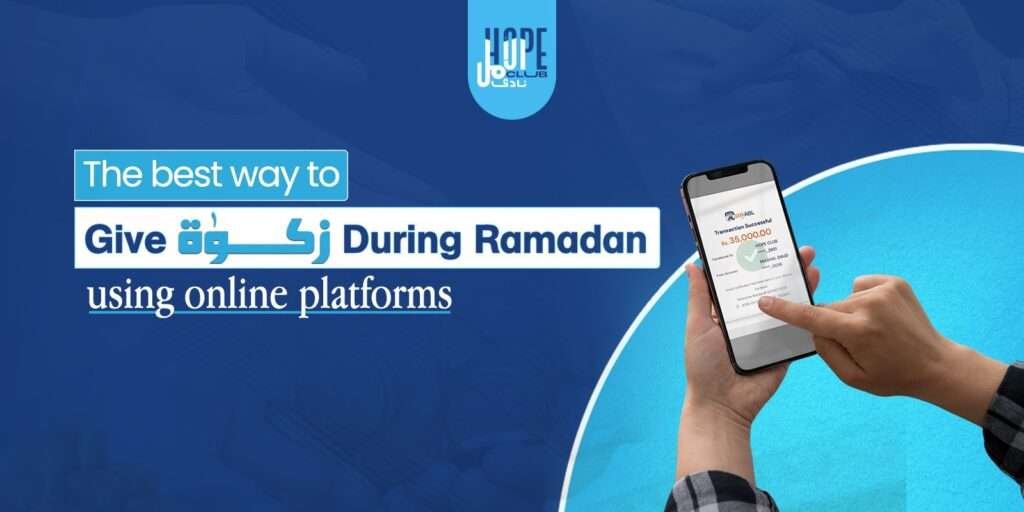
The best way to give zakat during Ramadan using online platforms

One of the most common questions Muslims ask every year is when to give Zakat in Ramadan. While Zakat is an annual obligation based on wealth and eligibility, Ramadan adds spiritual significance that often leads people to reassess the timing of their giving. Zakat does not become obligatory because of Ramadan. It becomes obligatory once a person meets the Nisab threshold and a lunar year has passed on that wealth. However, many people intentionally choose Ramadan to give Zakat because of the increased reward and the heightened needs of the poor during this month. Zakat Obligation vs Ramadan Timing Zakat is due when your Zakat anniversary arrives, regardless of the month. If your due date falls outside Ramadan, you are still permitted to give Zakat during Ramadan by calculating it in advance. Key points to understand: This flexibility allows Muslims to align their Zakat with Ramadan without delaying their obligation. Common Misconceptions About Giving Zakat in Ramadan Many people believe Zakat should only be given in the last ten nights of Ramadan. While giving during these nights is highly rewarding, Zakat can be given at any point during the month. Clarifying common misunderstandings: Giving Zakat earlier in Ramadan often ensures that needy families receive help when it is most needed. Why Timing Matters for the Needy During Ramadan, many vulnerable families struggle with increased food costs and daily expenses. Giving Zakat earlier in the month helps relieve hardship throughout Ramadan rather than only at its conclusion. Early Zakat giving supports: Zakat given at the right time fulfills both obligation and compassion. Is It Better to Give Zakat in Ramadan Many Muslims choose to give Zakat in Ramadan because of the spiritual atmosphere and the increased reward associated with good deeds during this month. While Zakat is obligatory whenever it becomes due, giving it in Ramadan carries additional value that goes beyond timing alone. Increased Reward During Ramadan Ramadan is a month in which acts of worship are multiplied in reward. Charity given during this time holds greater significance, especially when it directly supports those who are fasting under hardship. Giving Zakat in Ramadan: This makes Ramadan a preferred time for many Muslims to fulfill their duty. Meeting Urgent Needs During Fasting The needs of the poor often increase during Ramadan. Food prices rise, daily expenses grow, and families may have limited ability to earn while fasting. Zakat given in Ramadan helps: This practical impact is one reason scholars encourage giving Zakat during this month. Balancing Obligation With Opportunity While Ramadan offers increased reward, Zakat should not be delayed if it is already due. Giving earlier in Ramadan is often better than waiting for the last days. Important reminders: Fulfilling Zakat responsibly means balancing religious obligation with immediate need. Why Many Choose Ramadan for Zakat Ramadan brings focus, reflection, and awareness of hardship. This environment naturally encourages generosity and conscious giving. For many Muslims, Ramadan becomes the ideal time to: Donate Now Best Way to Give Zakat During Ramadan Ramadan is a time of reflection, intention, and responsibility. While the obligation of Zakat remains the same, the method of giving during Ramadan can affect how quickly and effectively it reaches those in need. Choosing the best way to give Zakat ensures that your obligation is fulfilled properly and that your contribution has real impact during the month of fasting. Traditional Giving vs Modern Online Giving Traditionally, Zakat was given directly to individuals or through local collection points. While this approach can work on a small scale, it often lacks verification, documentation, and reach. During Ramadan, needs are higher and time is limited. This is why many Muslims now prefer online Zakat platforms that offer structured distribution and transparency. Why Online Zakat Giving Works Better in Ramadan Online Zakat giving allows donations to be processed quickly and distributed without delay. This is especially important during Ramadan, when families require support throughout the month rather than at its end. Online giving helps by: This efficiency ensures Zakat reaches the needy when it is most needed. Transparency and Accountability Matter More in Ramadan Ramadan giving increases significantly, which makes accountability even more important. Online platforms offer structured systems that track donations and ensure funds are allocated correctly. Key advantages include: These systems protect the integrity of Zakat and donor trust. Giving With Intention and Confidence The best way to give Zakat during Ramadan is the method that combines correct intention, secure handling, and timely delivery. Online platforms allow donors to fulfill their obligation confidently, knowing their Zakat is reaching eligible recipients in a responsible and organized manner. How to Give Zakat Online During Ramadan Giving Zakat online during Ramadan should be simple, secure, and transparent. A clear process allows donors to focus on their intention rather than worrying about whether their Zakat is handled correctly. Step 1: Select Zakat as Your Donation Type When donating online, the first step is choosing Zakat specifically. This ensures your contribution is recorded separately from Sadaqah or general charity and allocated only to Zakat-eligible causes. Clear identification of intent is essential for Zakat validity. Step 2: Choose a Zakat-Eligible Project Once Zakat is selected, donors can choose from approved Zakat-eligible projects. These projects are reviewed to ensure beneficiaries qualify under Islamic guidelines and that funds are used appropriately. This step gives donors clarity and confidence in where their Zakat will be applied. Step 3: Make a Secure Online Payment Zakat payments are completed through secure online payment systems. Donors receive confirmation immediately after payment, ensuring transparency and record-keeping. Secure systems protect: Step 4: Receive Confirmation and Record of Donation After completing payment, donors receive confirmation that their Zakat has been successfully submitted. This confirmation provides reassurance and serves as a record for personal reference. Step 5: Ensure Timely Distribution During Ramadan Online platforms allow Zakat to be distributed quickly during Ramadan rather than being delayed until the final days. This helps families receive support throughout the month. To begin the secure online Zakat process during Ramadan, you